
Published on 31/10/2026
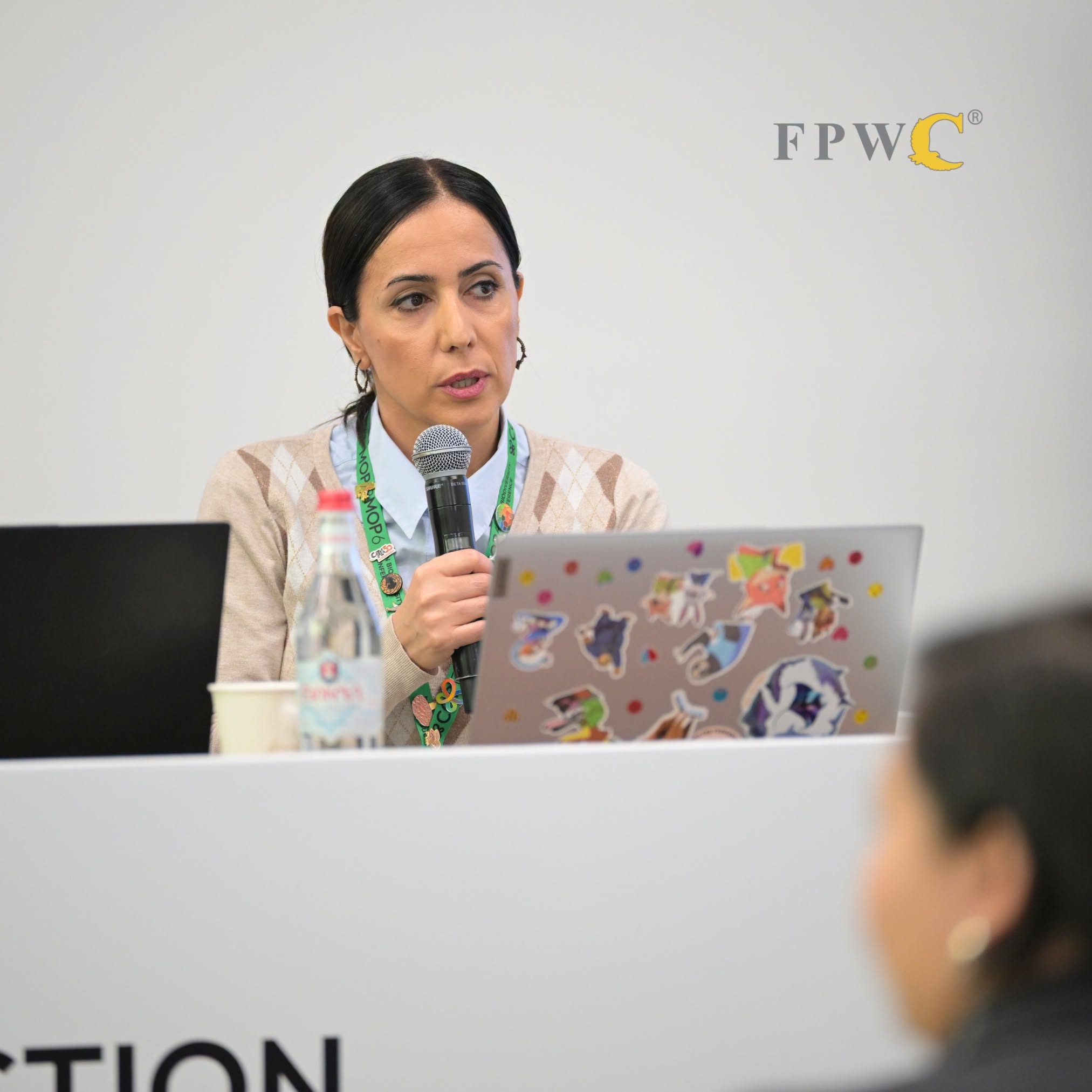
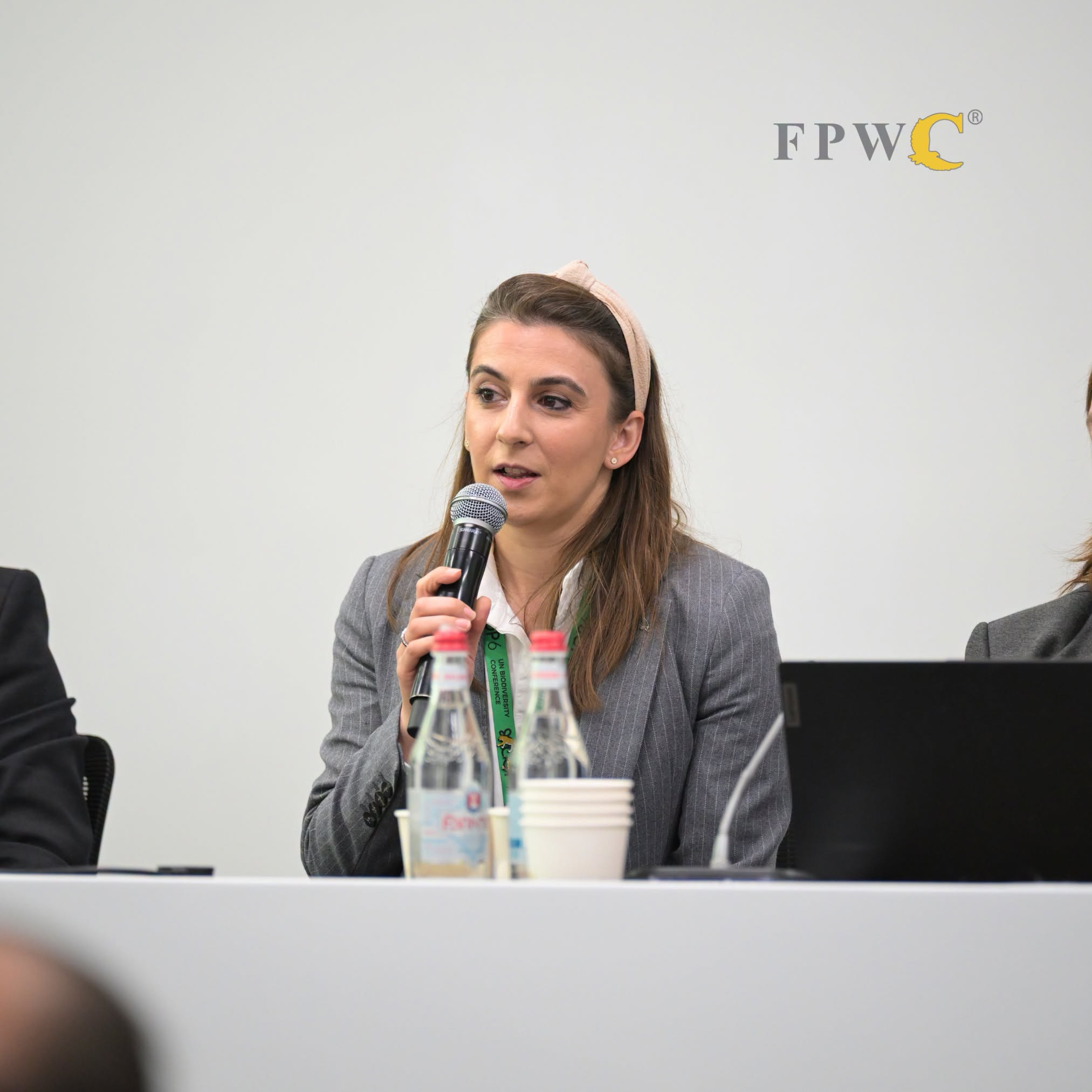
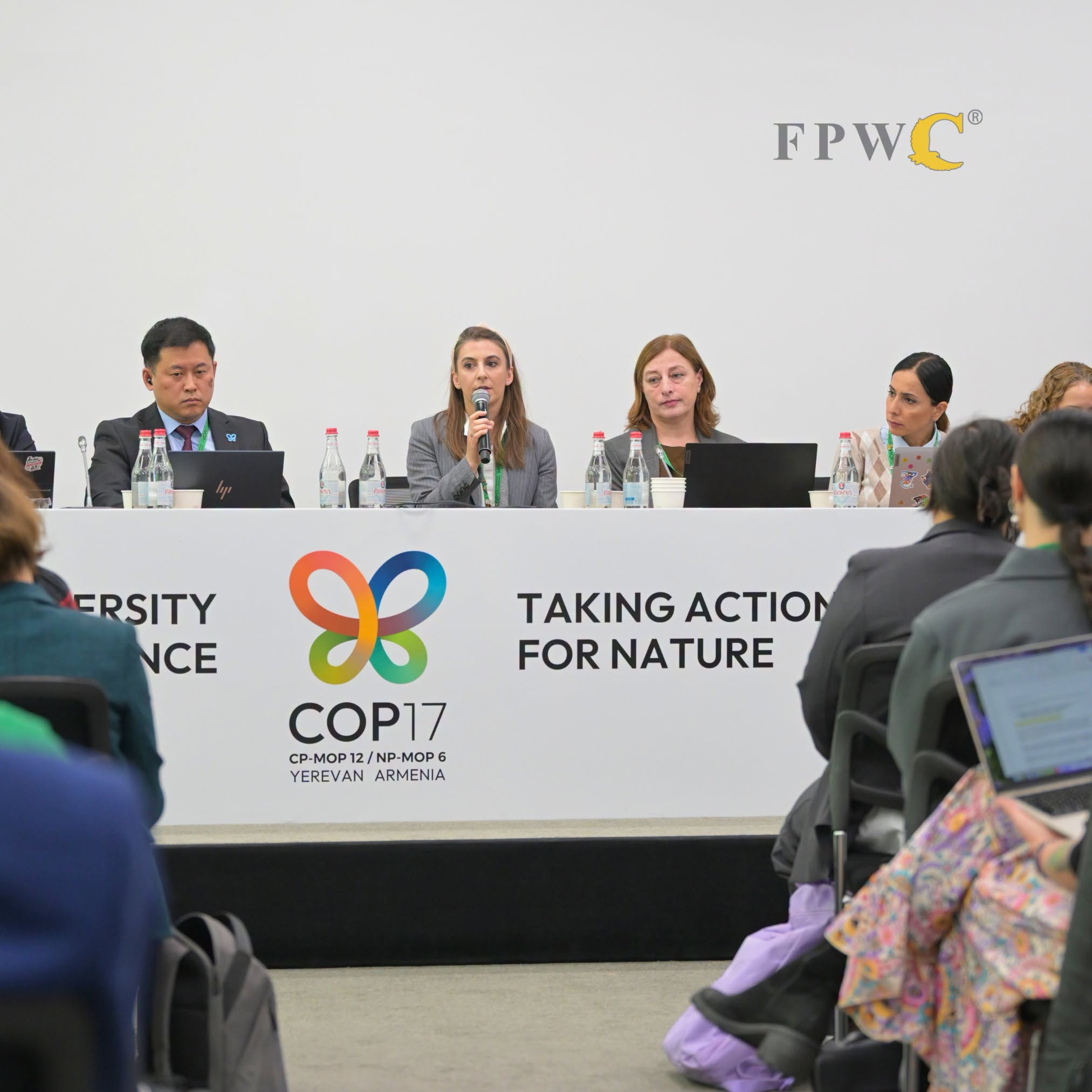
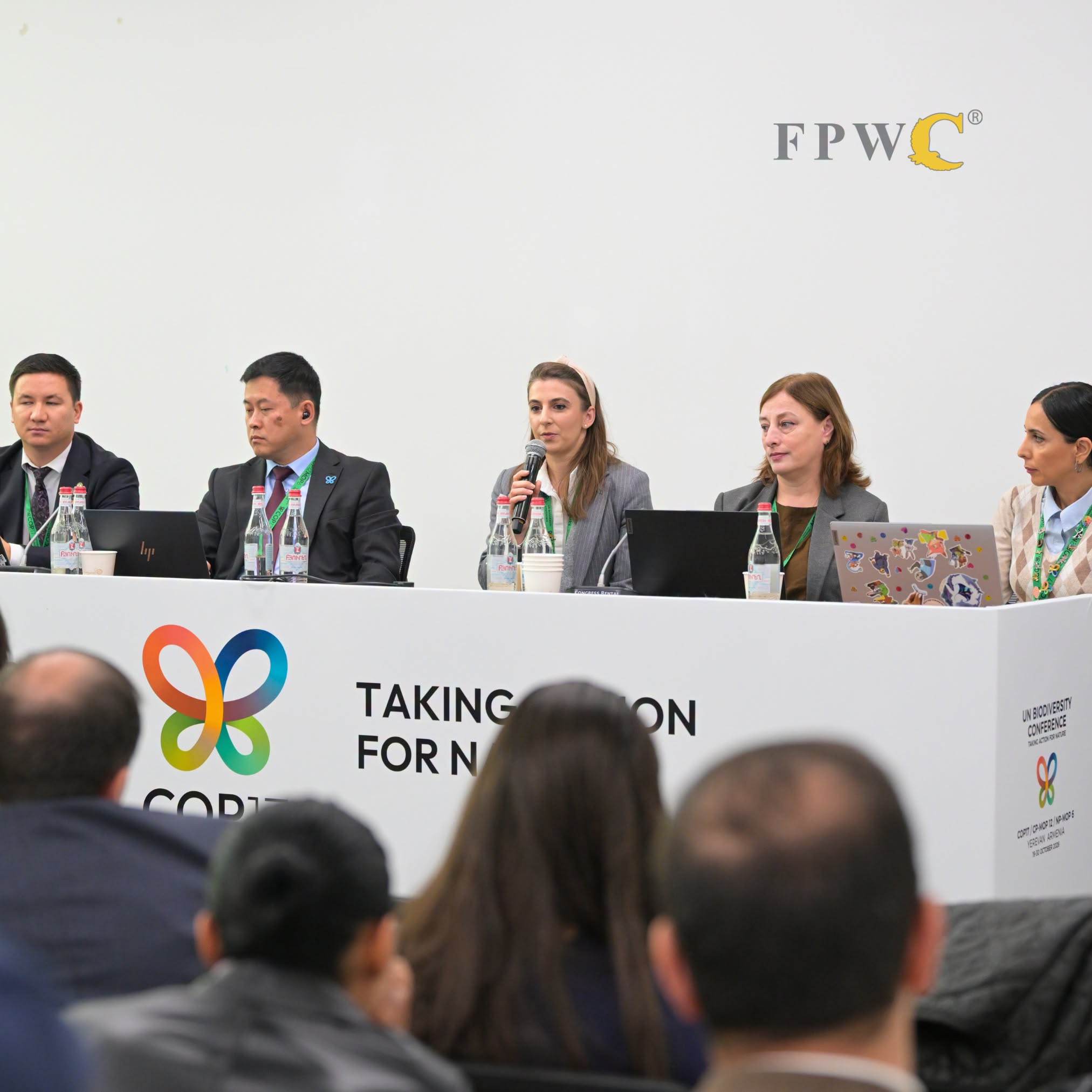
In the Blue Zone of the 17th Conference of the Parties to the Convention on Biological Diversity (COP17), a side event titled “Combating Illegal Wildlife Trade Through Regional Cooperation: GBF Targets 5 and 9” took place. Tsovinar Hovhannisyan, Head of Environmental Programs at the Foundation for the Preservation of Wildlife and Cultural Assets (FPWC), participated in the discussion as a speaker, presenting the Foundation’s more than 10 years of experience in combating illegal wildlife trade alongside Fauna & Flora and state authorities, as well as the importance of regional cooperation.
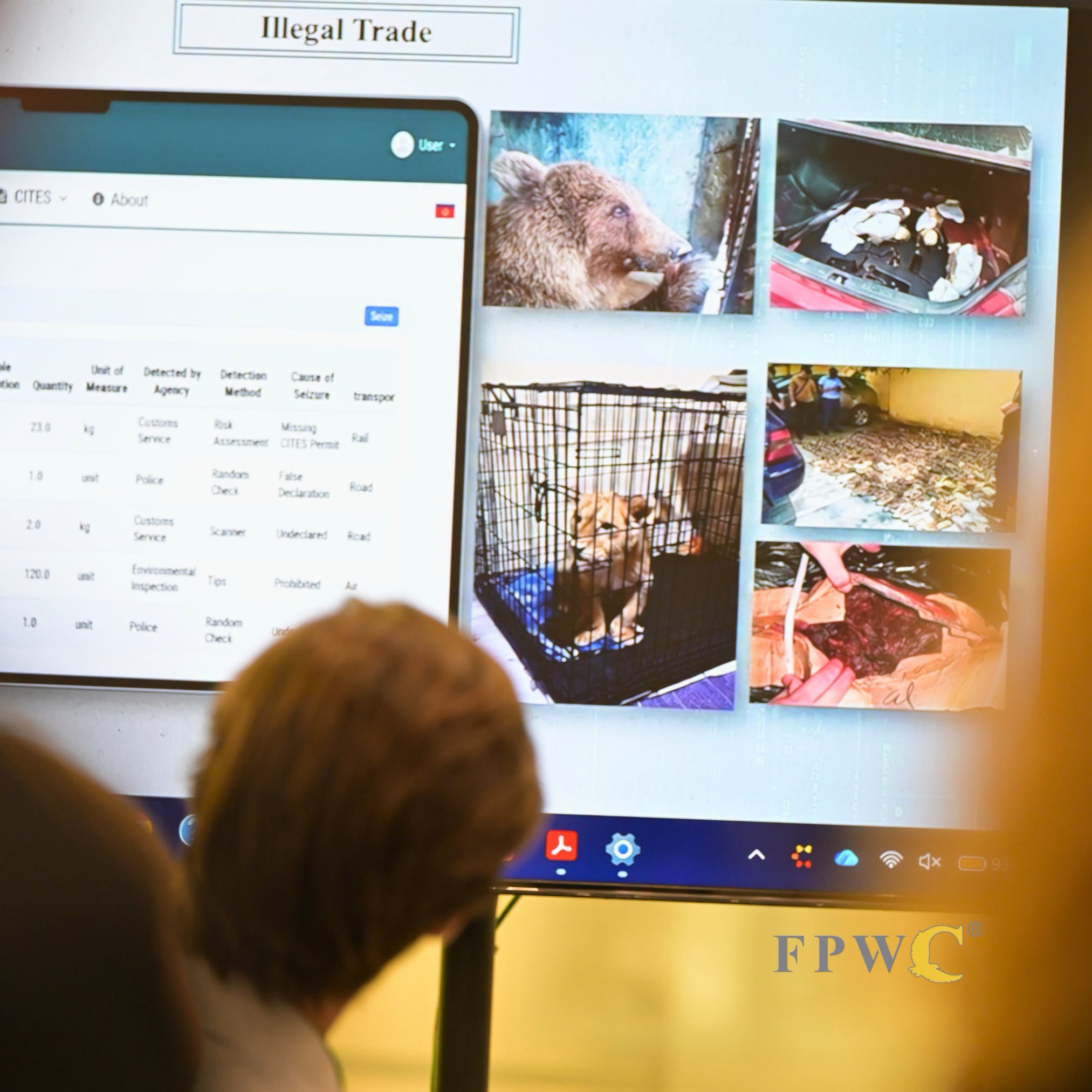
Reflecting on this multi-year work, Tsovinar Hovhannisyan noted that joint initiatives carried out with Fauna & Flora since 2013—including the comprehensive wildlife trade assessment conducted in 2015–2016—served as an important foundation for identifying key sector challenges and legislative gaps. According to her, FPWC’s experience in rescuing illegally kept bears and other wild animals demonstrates that alongside field operations, continuous cooperation with the Ministry of Environment of the Republic of Armenia and the Environmental Protection and Mining Inspection Body (EPMIB) is essential to strengthen the legal framework and oversight mechanisms.
The address placed special emphasis on the imperative of cross-border collaboration. The workshop organized jointly with Fauna & Flora in February 2026—bringing together experts from Armenia, Georgia, and international institutions—reaffirmed that illegal wildlife trade knows no state borders. In this context, the effective implementation of the CITES Convention and regional cooperation are pivotal to achieving Targets 5 and 9 of the Kunming-Montreal Global Biodiversity Framework (GBF).