
Published on 17/11/2026
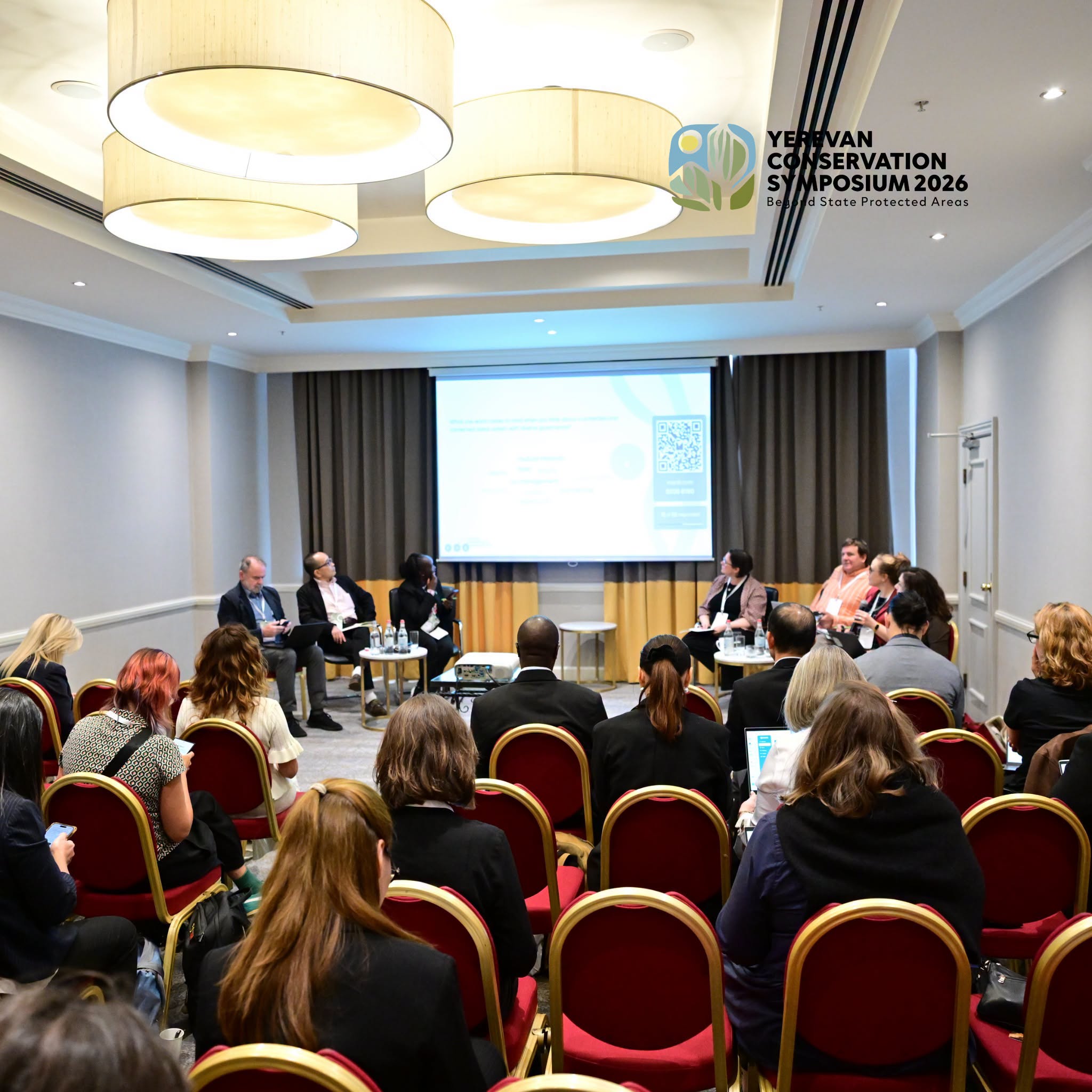
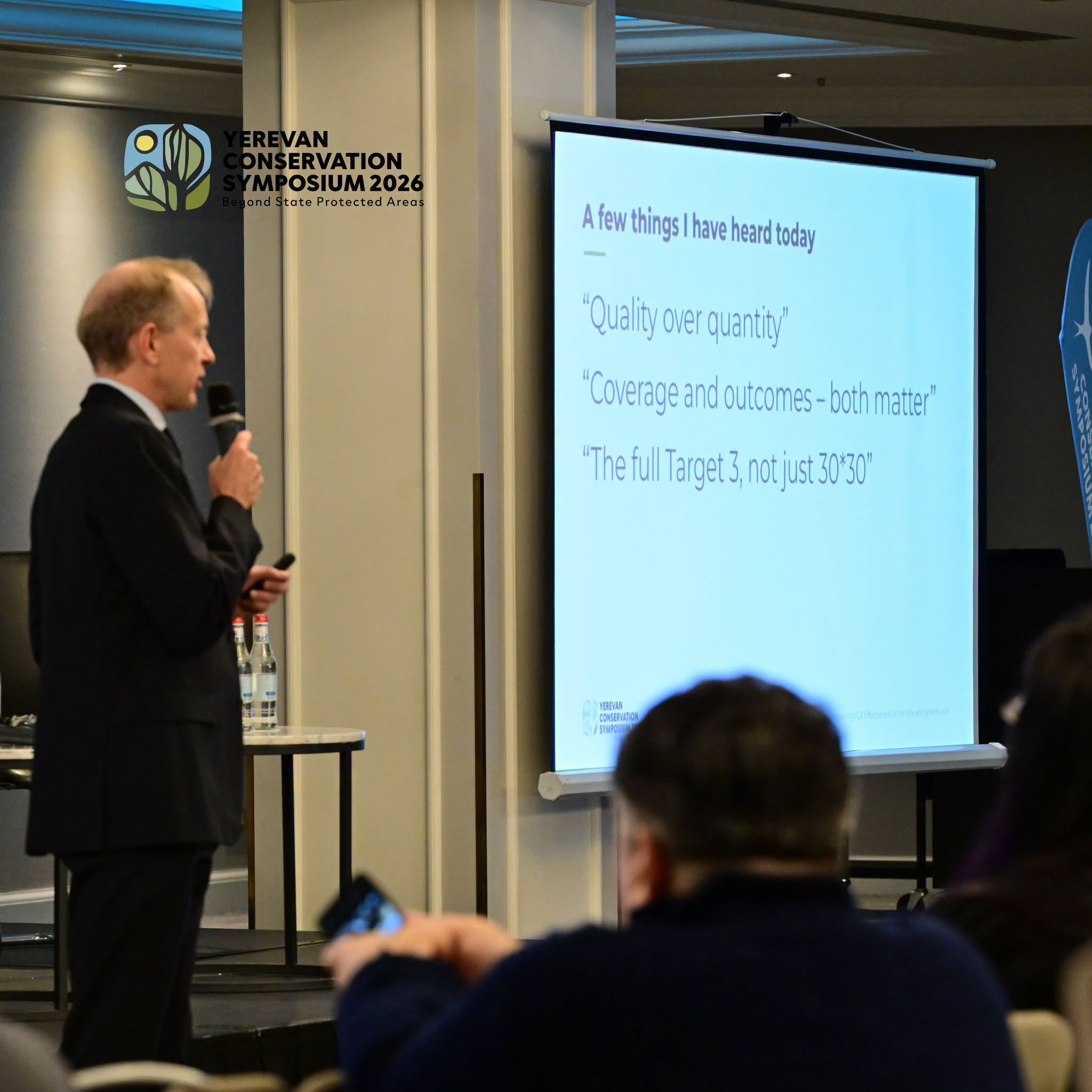
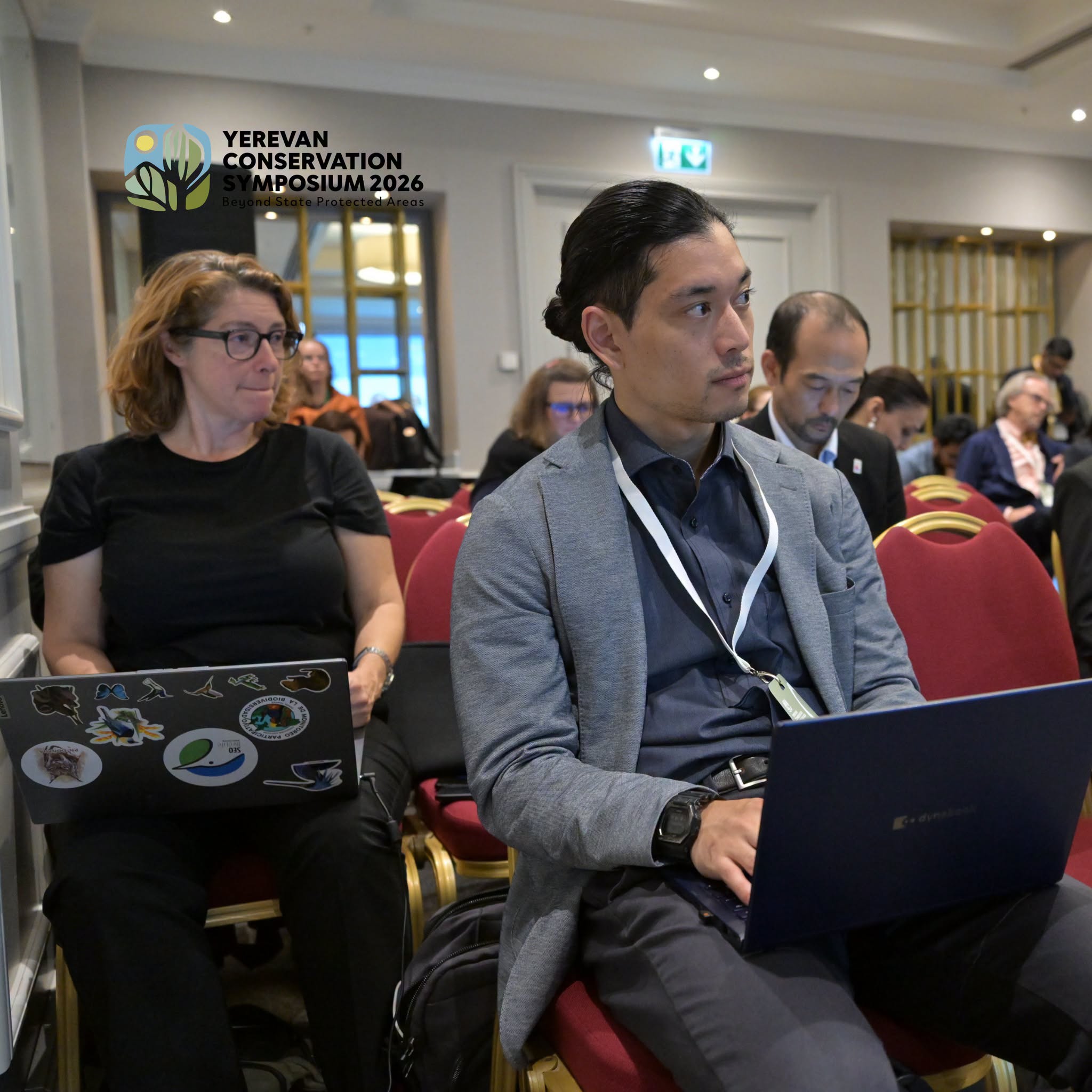
The second half of Day 1 at the "Yerevan Conservation Symposium 2026" (YCS 2026) unfolded in an atmosphere of intensive professional deliberations, featuring four parallel thematic breakout sessions. These sessions provided participants with the opportunity to deeply analyze actionable strategies, diverse governance models, and legal recognition mechanisms for delivering Target 3 (30x30) of the Kunming-Montreal Global Biodiversity Framework.
The first working session, titled "Implementing Protected and Conserved Areas (PCAs) Systems with Diverse Governance," focused on expanding partnerships across state, private, and community-led models, as well as pathways for integrating Other Effective Area-based Conservation Measures (OECMs) into national systems. Alongside expanding area coverage, ensuring management quality is equally vital—a focus addressed in the second session, "Assessing and Improving PCA Effectiveness at the Site and System Level." Here, specialists discussed conservation quality, measurable ecological outcomes, and the application of standardized frameworks to evaluate both site-level and system-wide effectiveness.
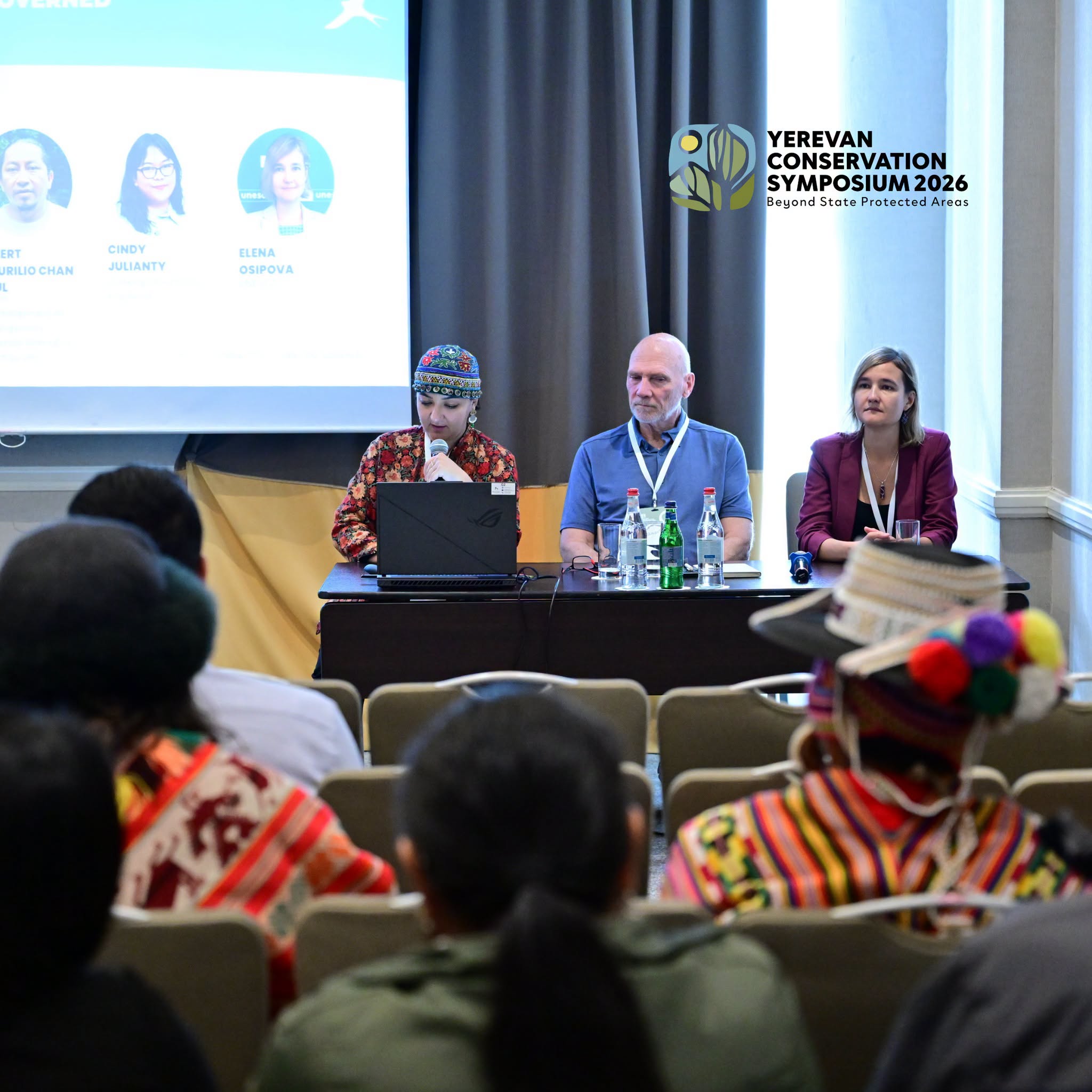
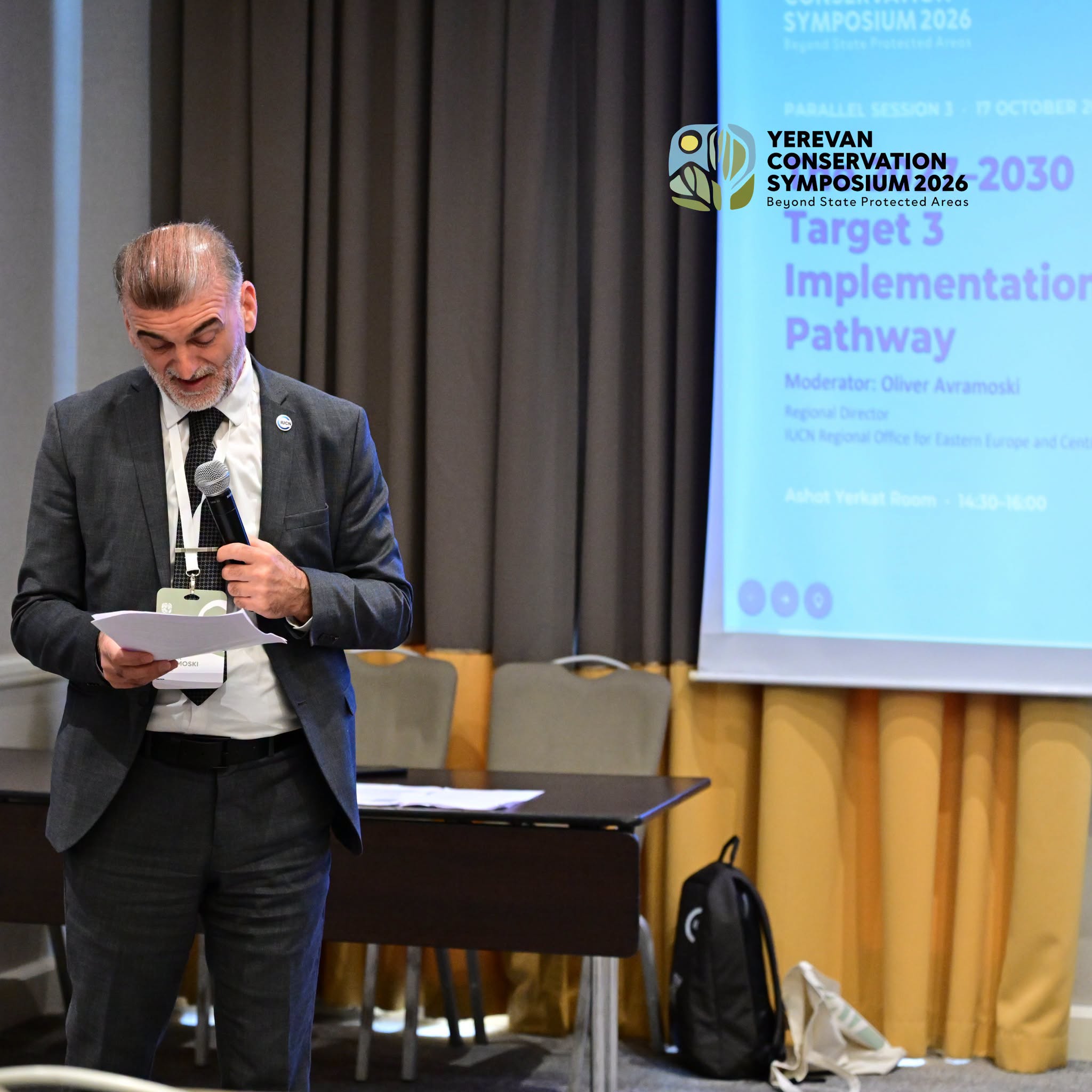
Following the definition of quality benchmarks, discussions turned toward clear timelines and legal safeguards for the coming years. During the third session, "The 2027–2030 Target 3 Implementation Pathway," experts examined national implementation roadmaps, data reporting mechanisms, and critical strategic milestones leading up to 2030. Meanwhile, the fourth session, titled "Rights-Compatible Recognition of Indigenous & Community-Governed Areas," addressed human and community rights-based frameworks, the legal recognition of Territories of Life, and the essential leadership role of Indigenous Peoples and local communities in nature conservation.
The conclusions and expert recommendations formulated across all four working sessions directly informed the drafting and finalization of the symposium's principal outcome document, the Yerevan Call to Action.