

Published on 22/10/2026
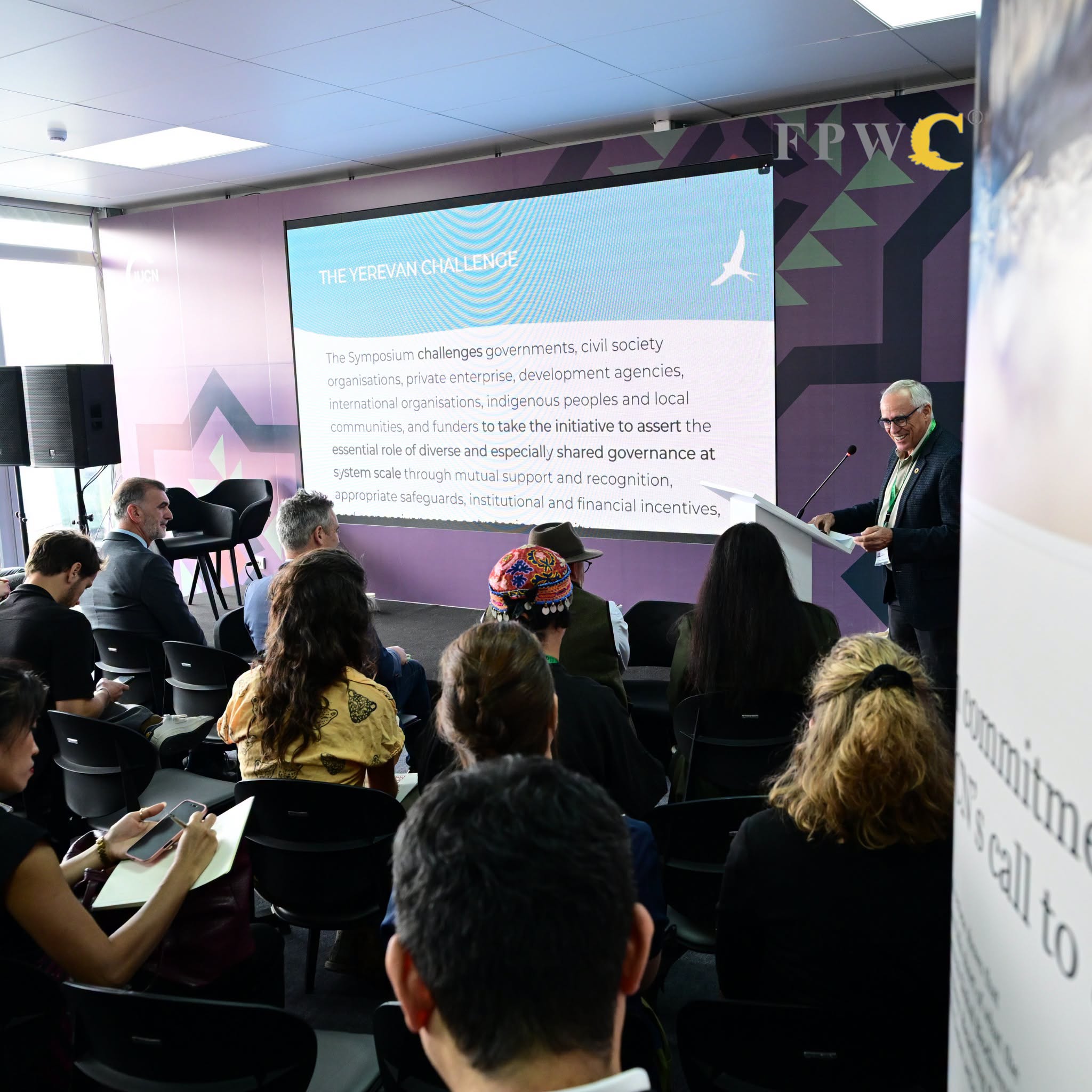
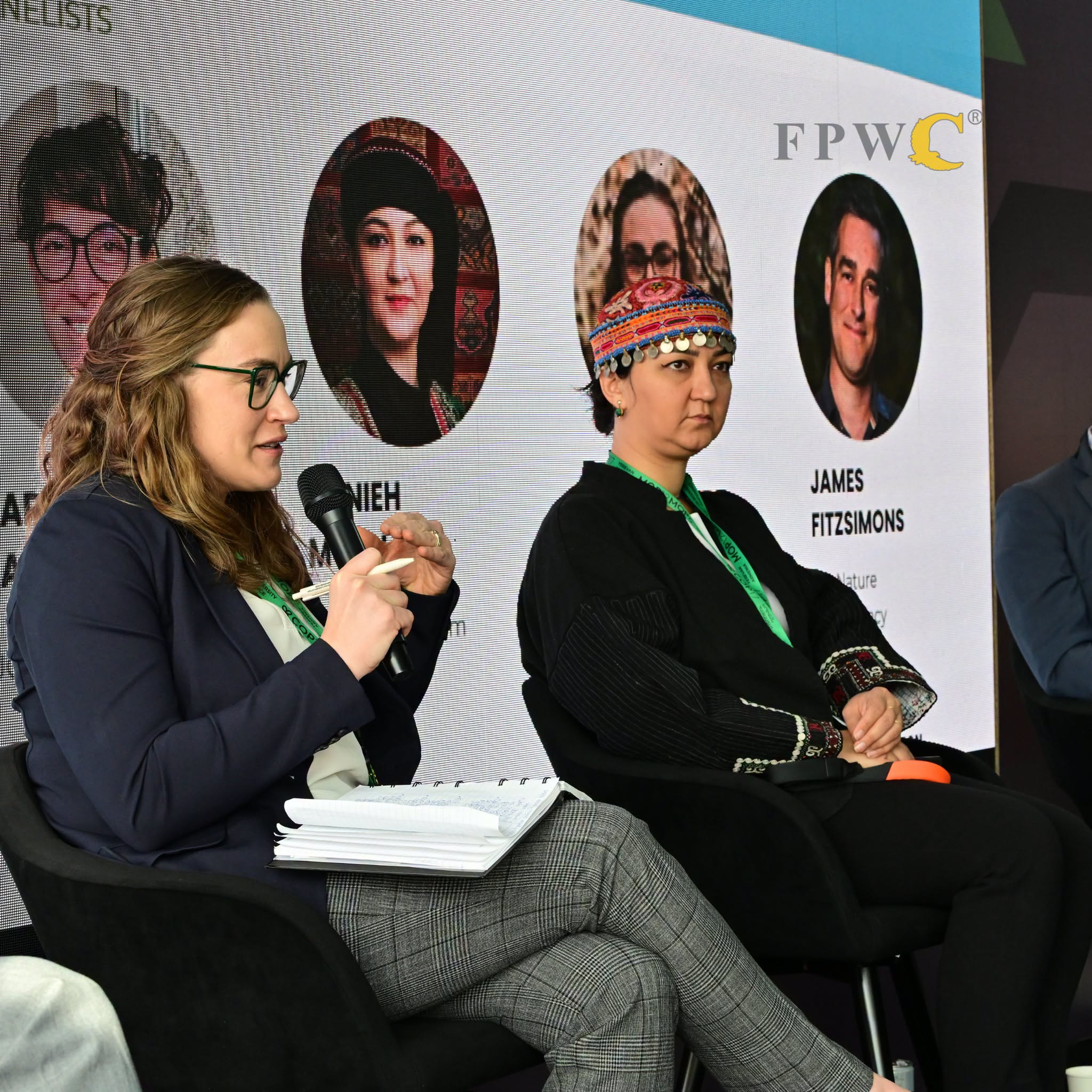
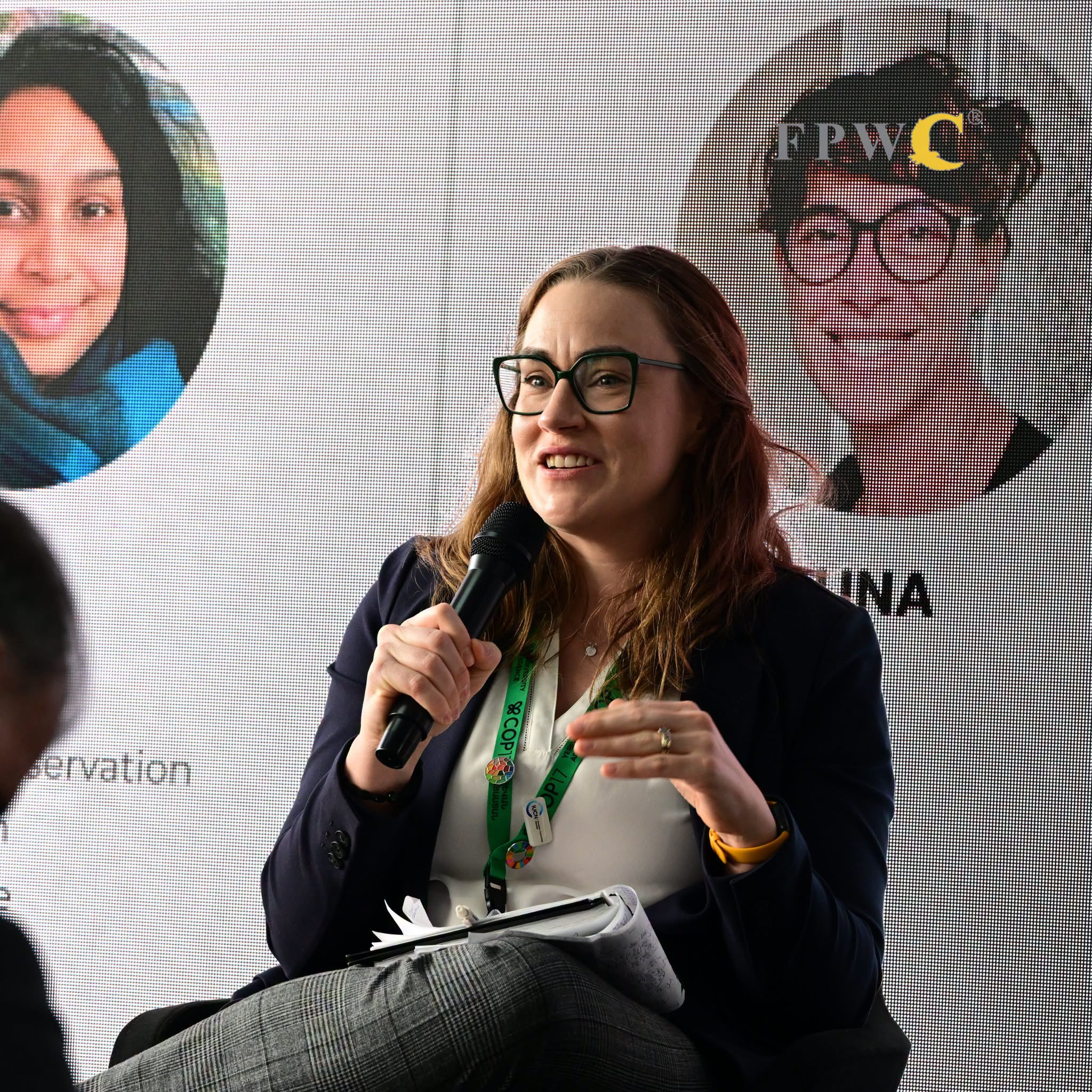
The side event "Lessons and Pathways from the Yerevan Call to Action," initiated by the Foundation for the Preservation of Wildlife and Cultural Assets (FPWC), took place in the Blue Zone of the 17th Conference of the Parties to the UN Convention on Biological Diversity (CBD COP17). It summarized the outcomes of the "Yerevan Conservation Symposium 2026" held in Yerevan ahead of COP17 and presented the "Yerevan Call to Action" to the international community, aimed at the equitable, inclusive, and effective implementation of the Kunming-Montreal 30x30 target.
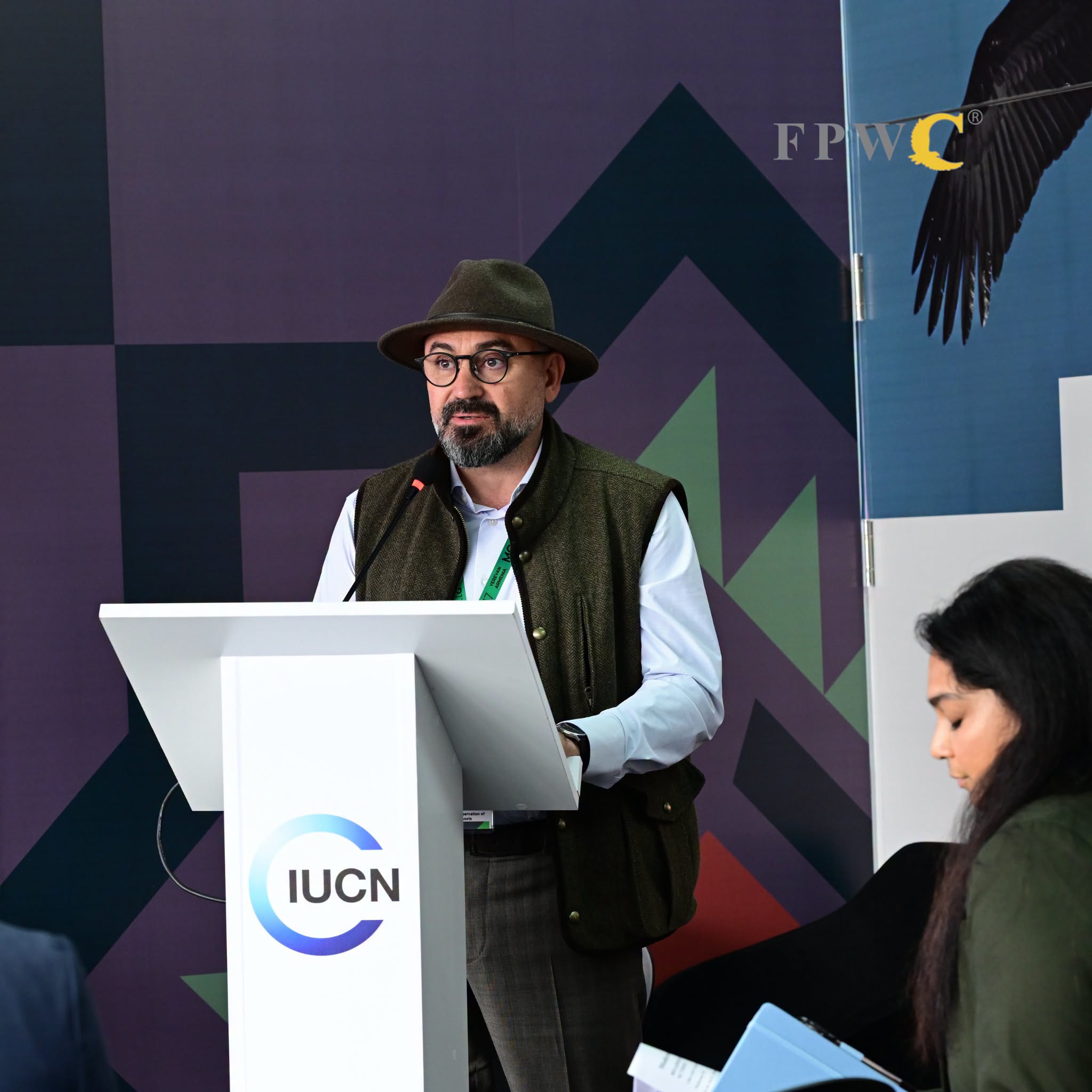
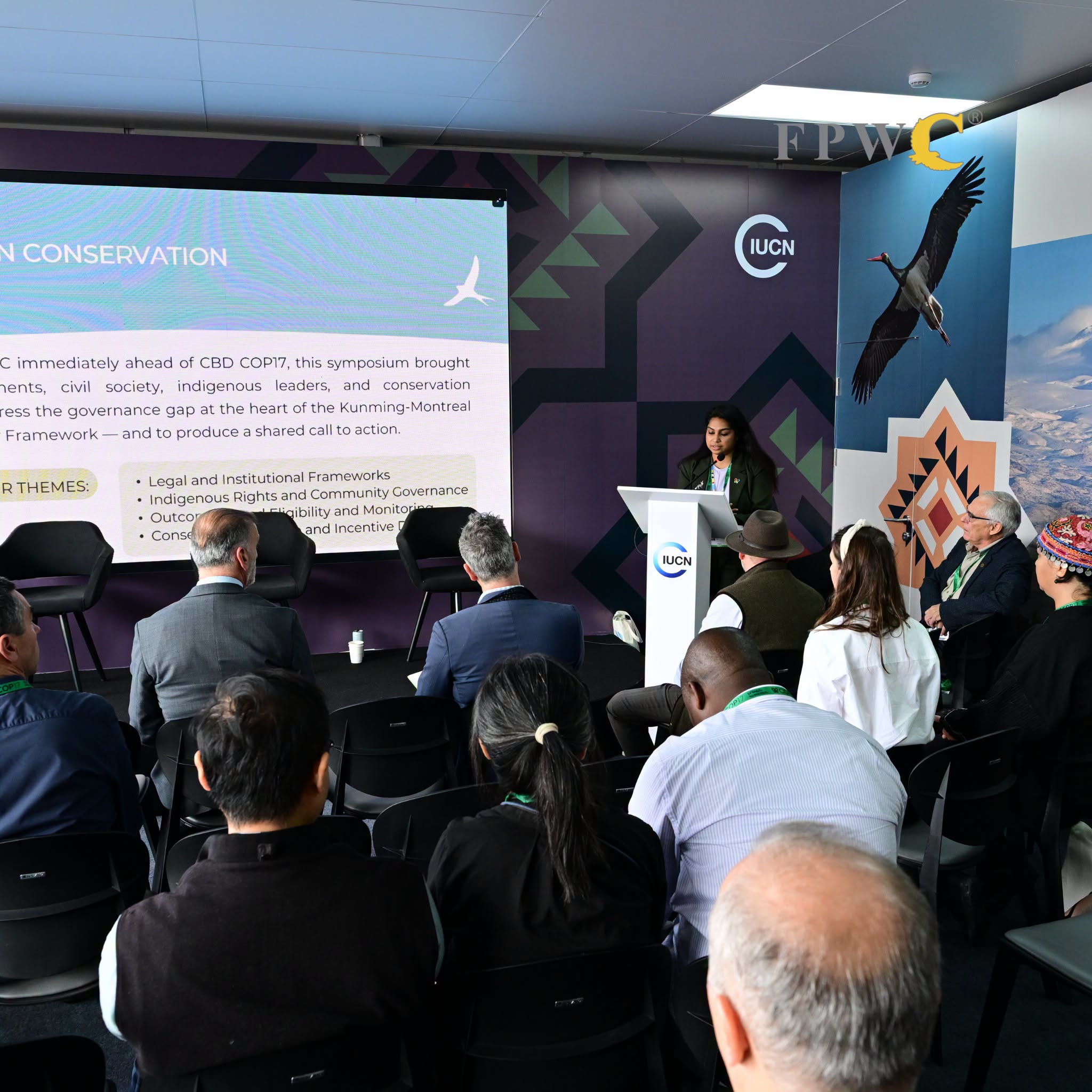
At the opening of the event, FPWC Founder and Director Ruben Khachatryan and International Union for Conservation of Nature (IUCN) representative Trevor Sandwith presented the four key themes of the symposium: legal frameworks, indigenous community rights, monitoring systems, and sustainable financing. The speakers specifically emphasized that achieving the 30x30 target requires formally recognizing the indispensable role of nature stewards and guardians operating outside the state system.
Expanding on the theme of community rights and justice, ICCA Consortium representative Hanieh Moghani stressed that the territories of Indigenous Peoples and local communities should not be viewed merely as "hectares" to fulfill the 30% target statistics. She highlighted the importance of clearly distinguishing between conservation outcomes and governance authority, calling for the implementation of direct and sustainable financing mechanisms, as well as the strict upholding of the principle of Free, Prior and Informed Consent (FPIC).
James Fitzsimons, representing The Nature Conservancy (TNC), also addressed the need for sustainable financing and long-term mechanisms. He noted that a transition must be made from short-term project financing to trust funds and long-term conservation agreement models. As a successful example, he cited Australia's experience, where sustainable systems of direct annual funding are in place for the conservation of indigenous community territories.
In this context, Megan Lafferty, representing the Nature Conservancy of Canada, drew parallels by combining Canada's national "Force of Nature" strategy with the priorities of the Yerevan Call. She emphasized that the effective implementation of conservation actions relies on trusted relationships, where non-governmental organizations can act as platform creators, ensuring an equitable balance of power, resources, and authority.
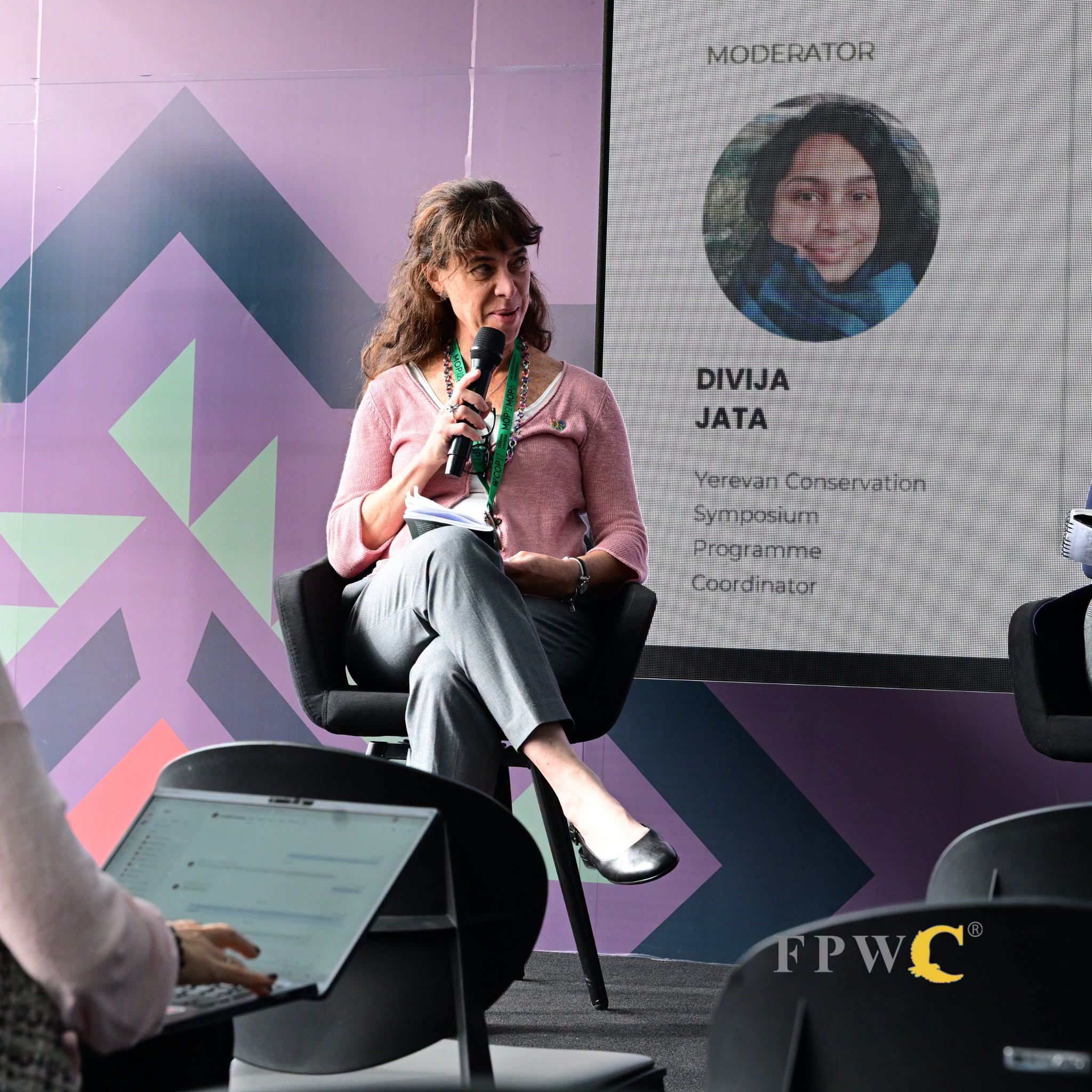
Summarizing the thematic presentations, IUCN WCPA representative Carolina Hazin and symposium moderator Divija Jata emphasized that the "Yerevan Call to Action" must not remain solely on paper, but must be translated into concrete national policies and practical financing mechanisms.
Launched at the Yerevan Symposium, this global dialogue will find its logical continuation after COP17 at the upcoming IUCN WCPA World Parks Congress in Panama, serving as a roadmap for the real and equitable implementation of the 30x30 target.