

Published on 05/08/2026
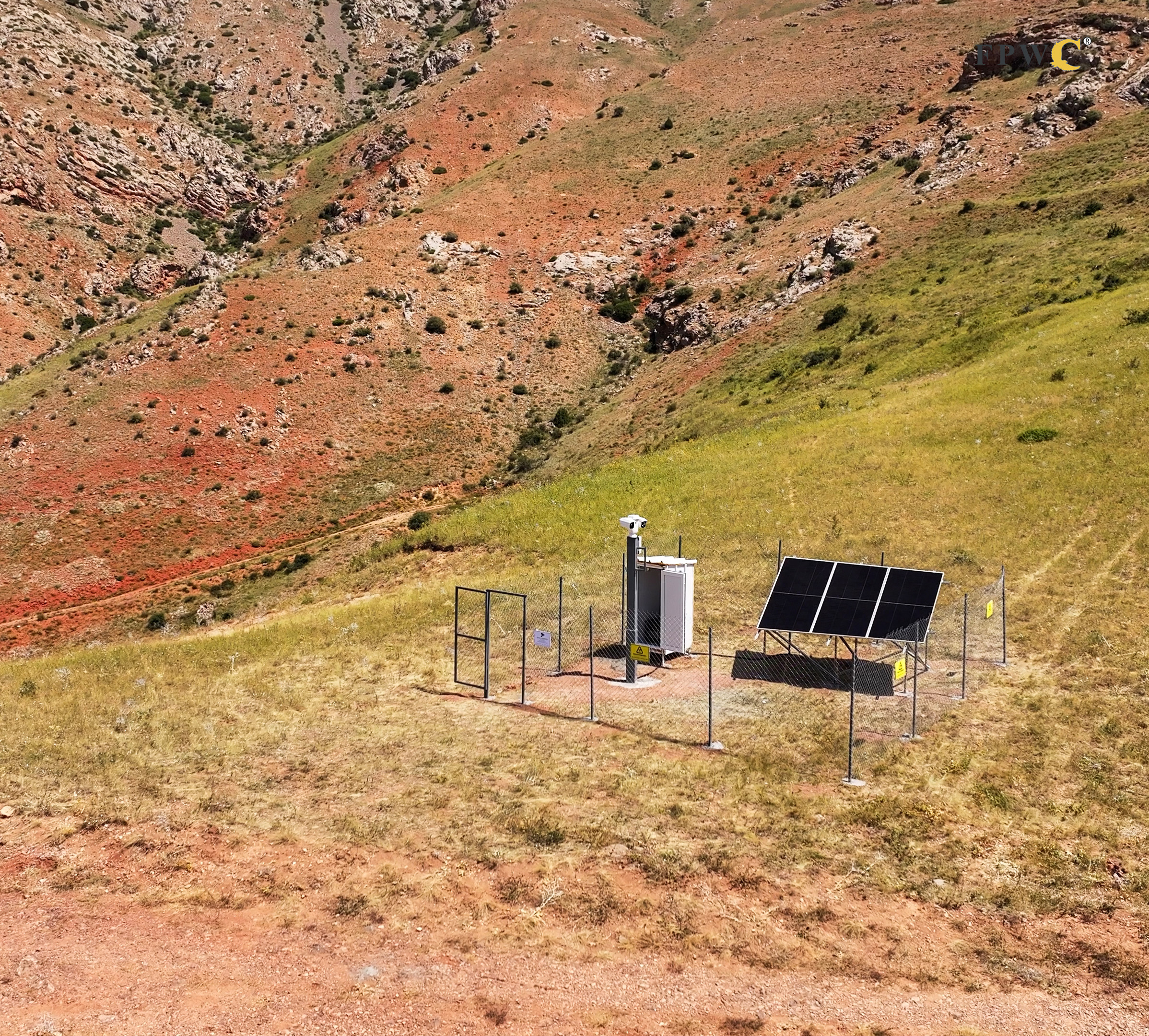
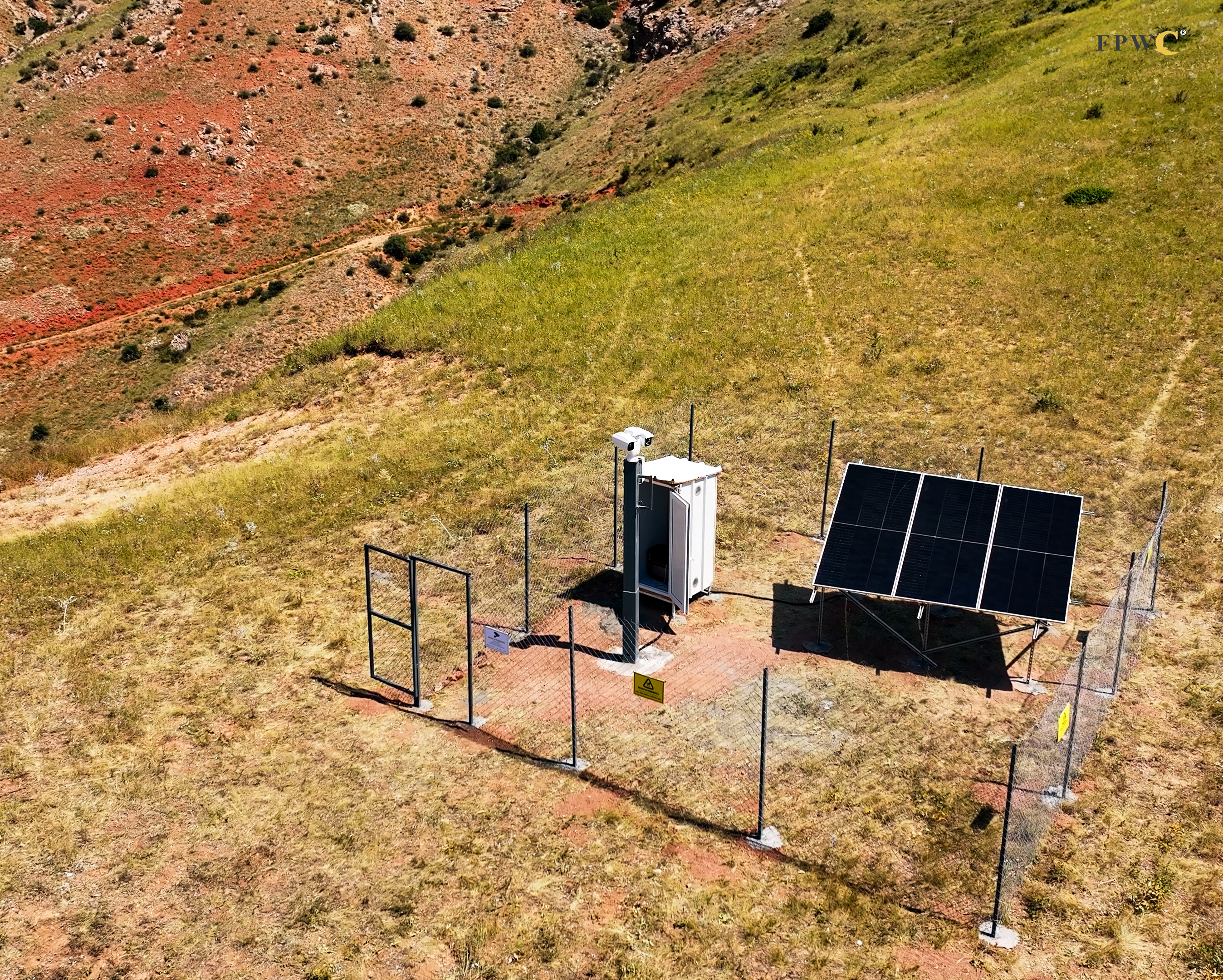
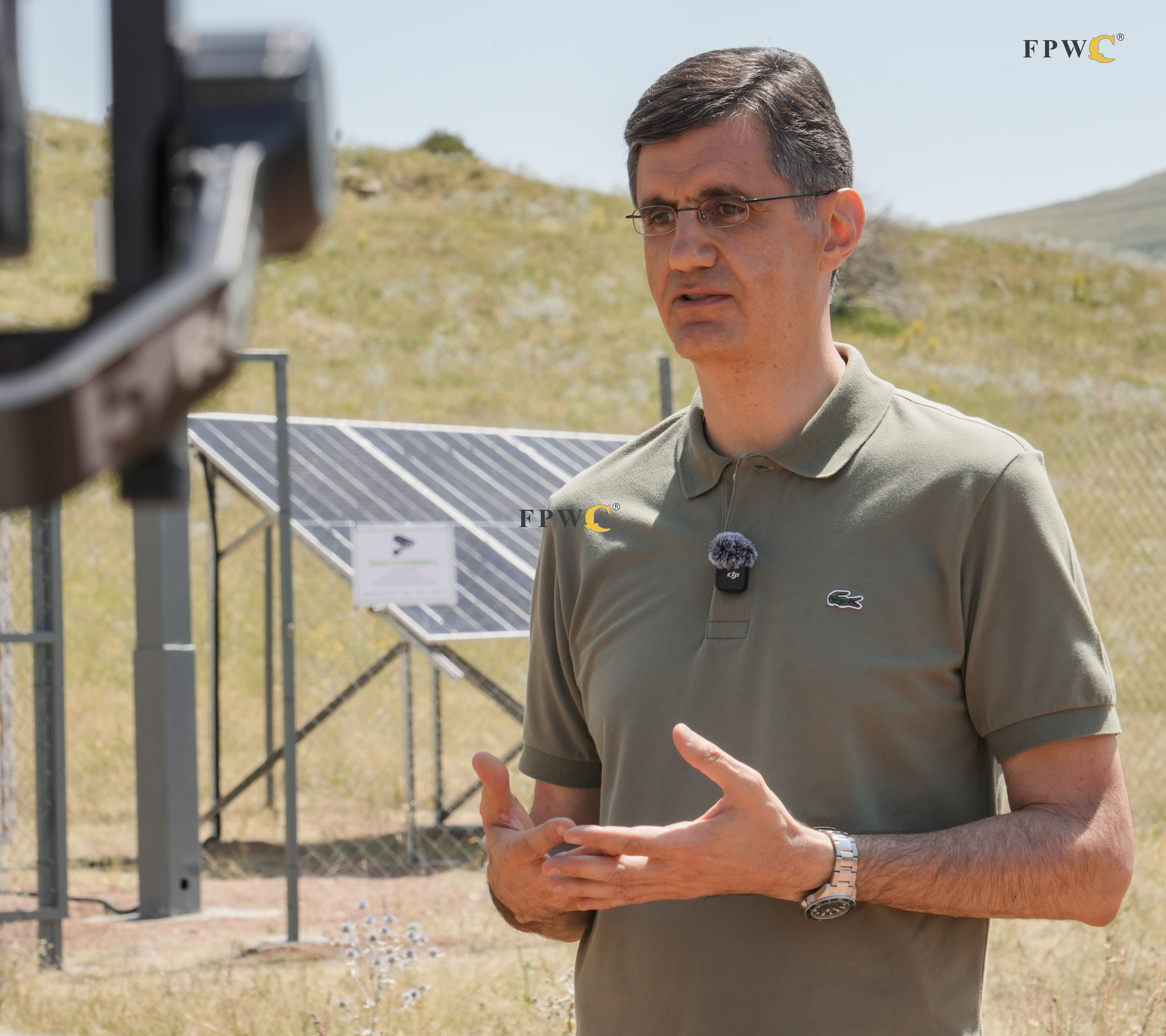
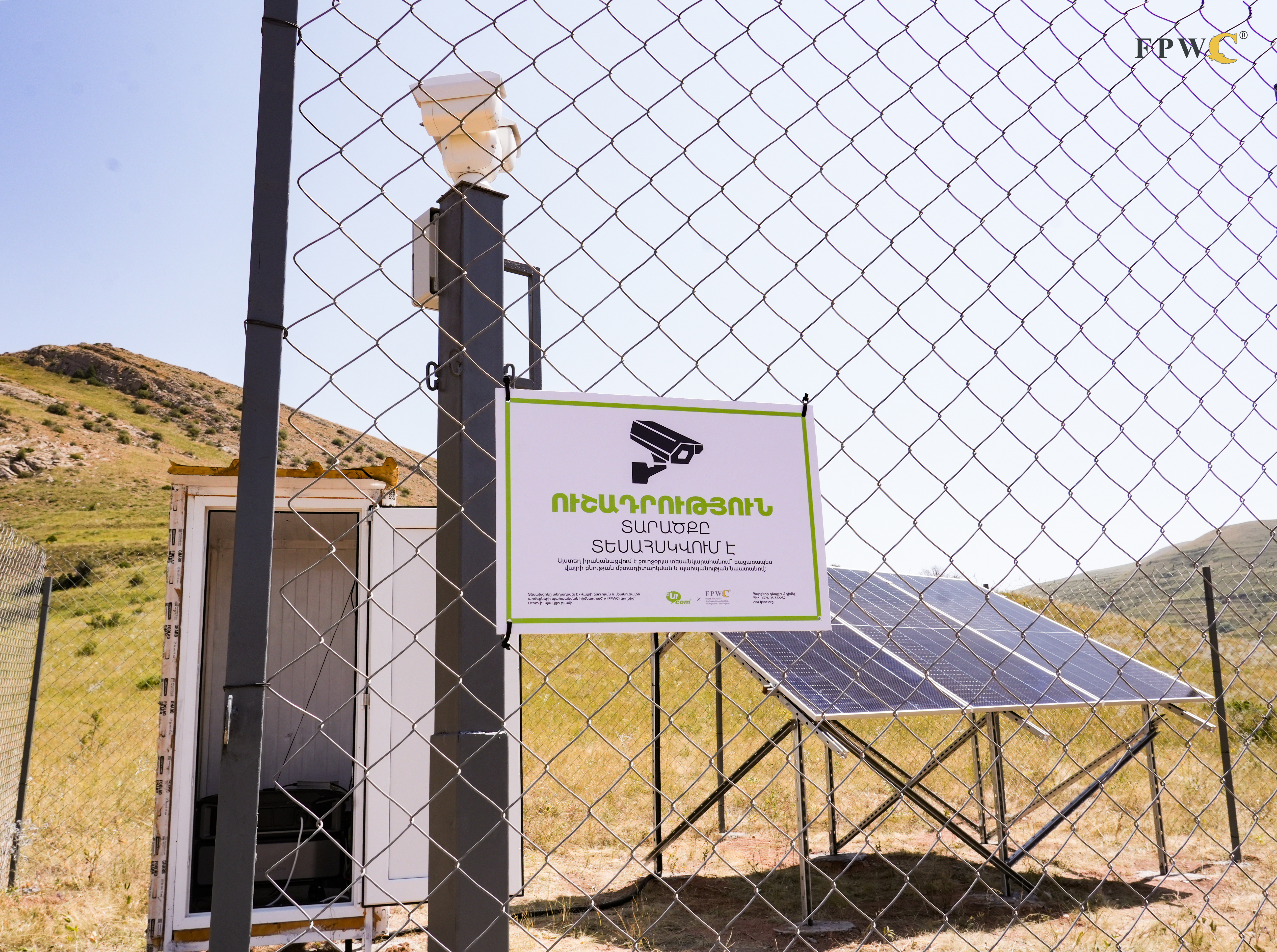
With the support of Ucom, the Foundation for the Preservation of Wildlife and Cultural Assets (FPWC) has installed two solar-powered autonomous (off-grid) stations in Gnishik, ensuring the uninterrupted, 24/7 operation of wildlife monitoring cameras.
This solution will enable FPWC experts to continuously track wildlife movement and behavior, study the migration routes of endangered species, and strengthen supervision aimed at preventing poaching and wildfires. Autonomous solar stations are particularly vital for maintaining the stable operation of monitoring systems in remote, off-grid locations. Thanks to these stations, the cameras will collect data around the clock, independent of a centralized power grid.
"Modern technologies can create real value not only in people's daily lives but also in nature conservation. This project in Gnishik demonstrates how connectivity and renewable energy solutions can be combined to establish a reliable, round-the-clock monitoring system in remote areas. For Ucom, supporting initiatives that deliver long-term environmental impact and contribute to preserving Armenia's biodiversity is of paramount importance," said Ralph Yirikian, Director General of Ucom.
The use of solar energy simultaneously reduces reliance on traditional power sources and allows for the adoption of more sustainable, environmentally harmonious technological approaches to solving ecological challenges.
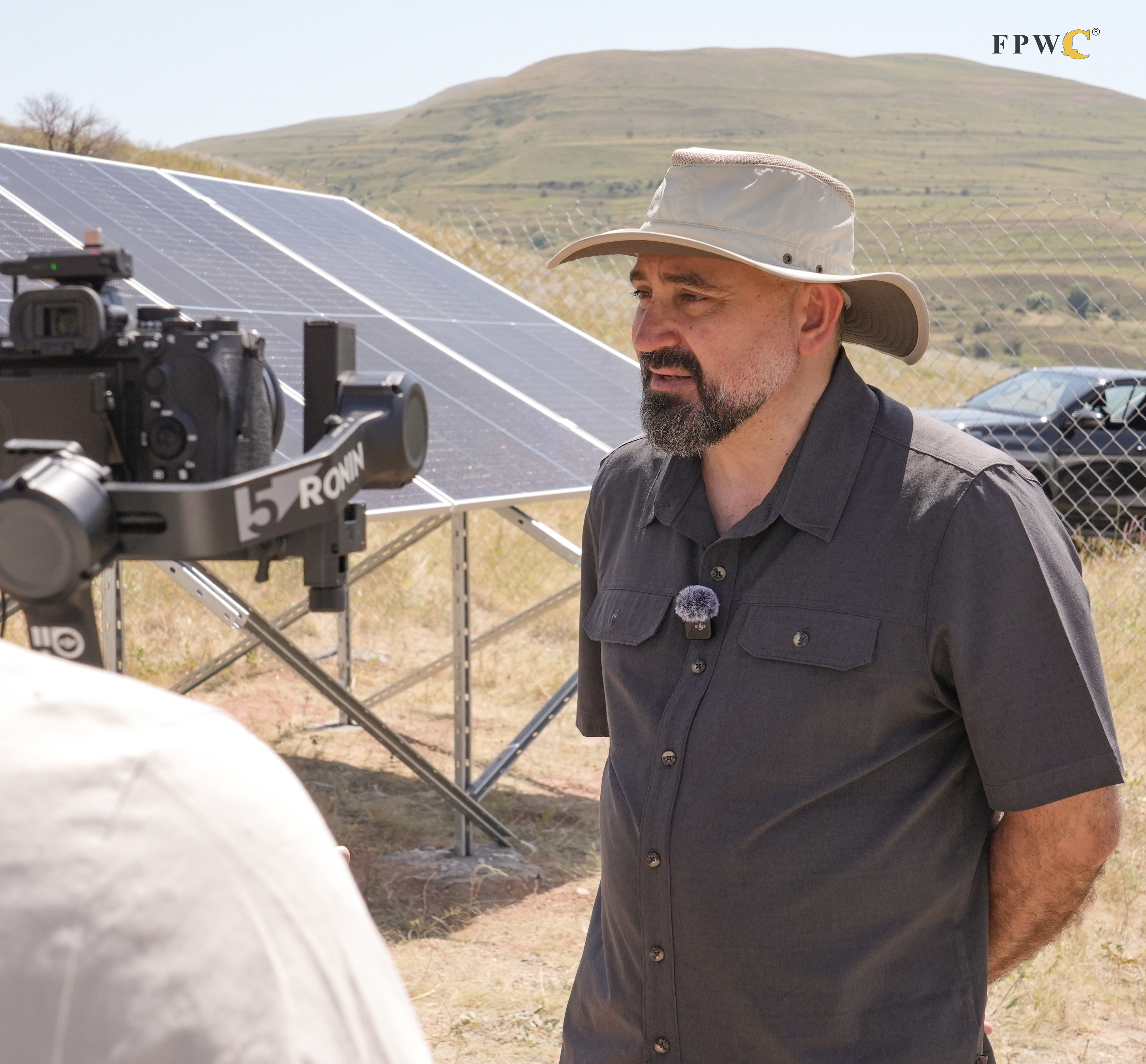
"In the modern world, wildlife conservation is unimaginable without combining advanced technology and renewable energy. The installation of autonomous solar stations in Gnishik elevates our monitoring activities to a qualitatively new level—giving us an uninterrupted, 24/7 stream of data even from the most remote off-grid areas. This enables us not only to effectively prevent poaching and wildfires but also to conduct in-depth scientific research on the movements of endangered species," noted Ruben Khachatryan, Founder and Director of the Foundation for the Preservation of Wildlife and Cultural Assets (FPWC).
The partnership between Ucom and FPWC is ongoing and aimed at enhancing the effectiveness of monitoring in protected areas. In previous stages of the collaboration, with Ucom's support, the foundation's thermal camera systems were provided with high-quality internet connectivity, enabling specialists to remotely and promptly receive, analyze, and utilize data transmitted from these territories.
Combining new technological and energy solutions makes it possible to build a more reliable wildlife conservation system, ensuring continuous monitoring and a swift response when necessary.
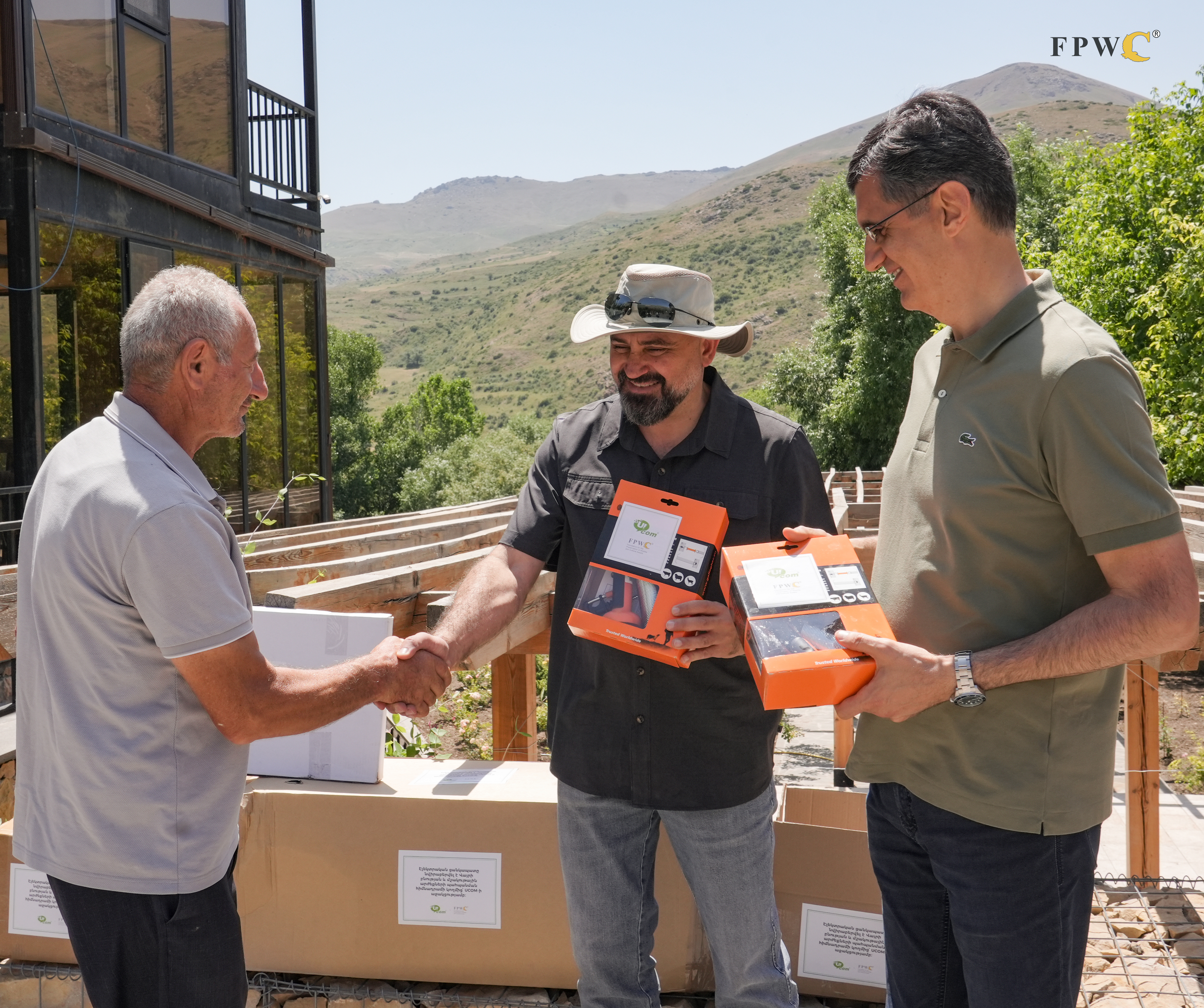
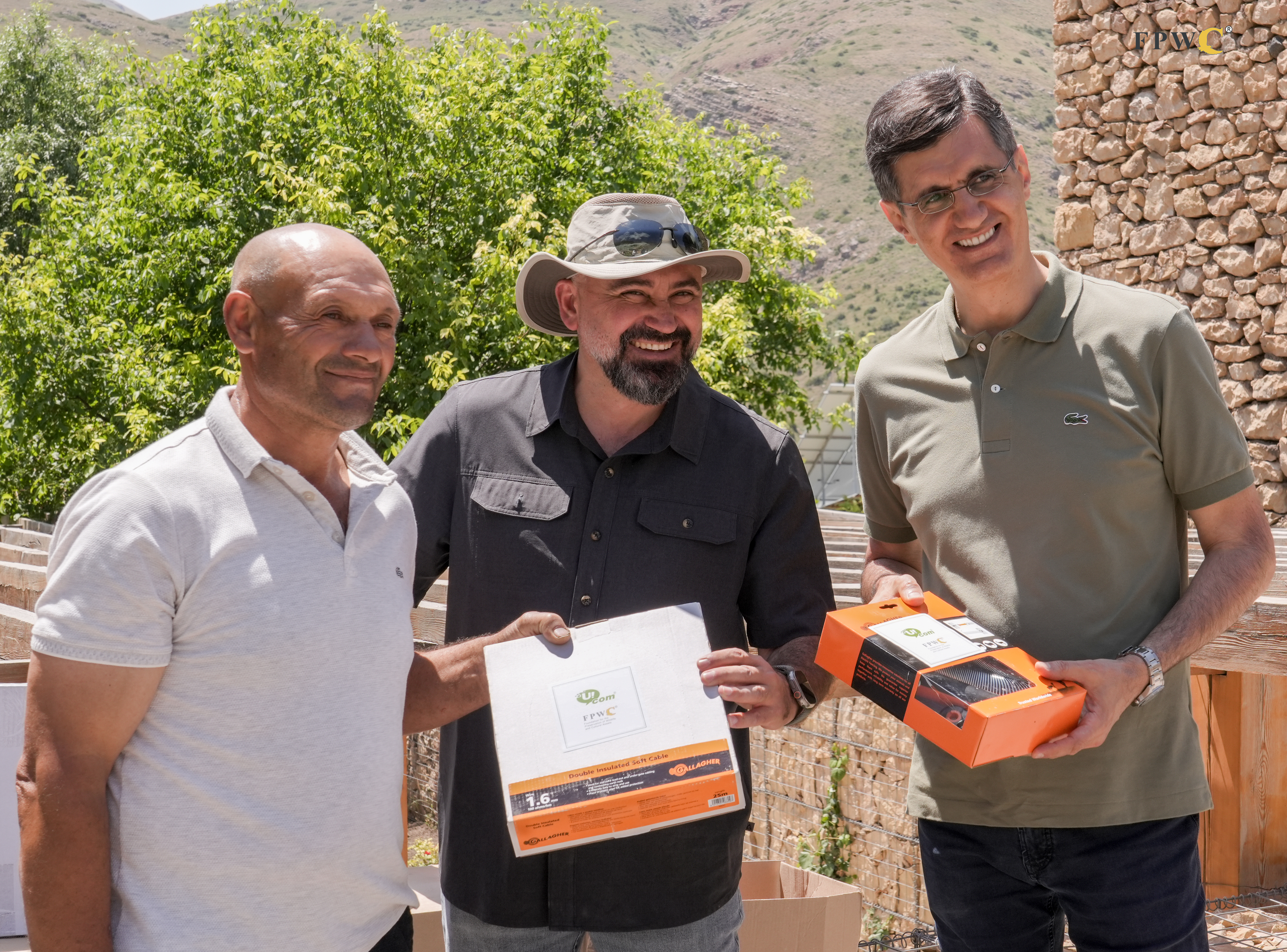
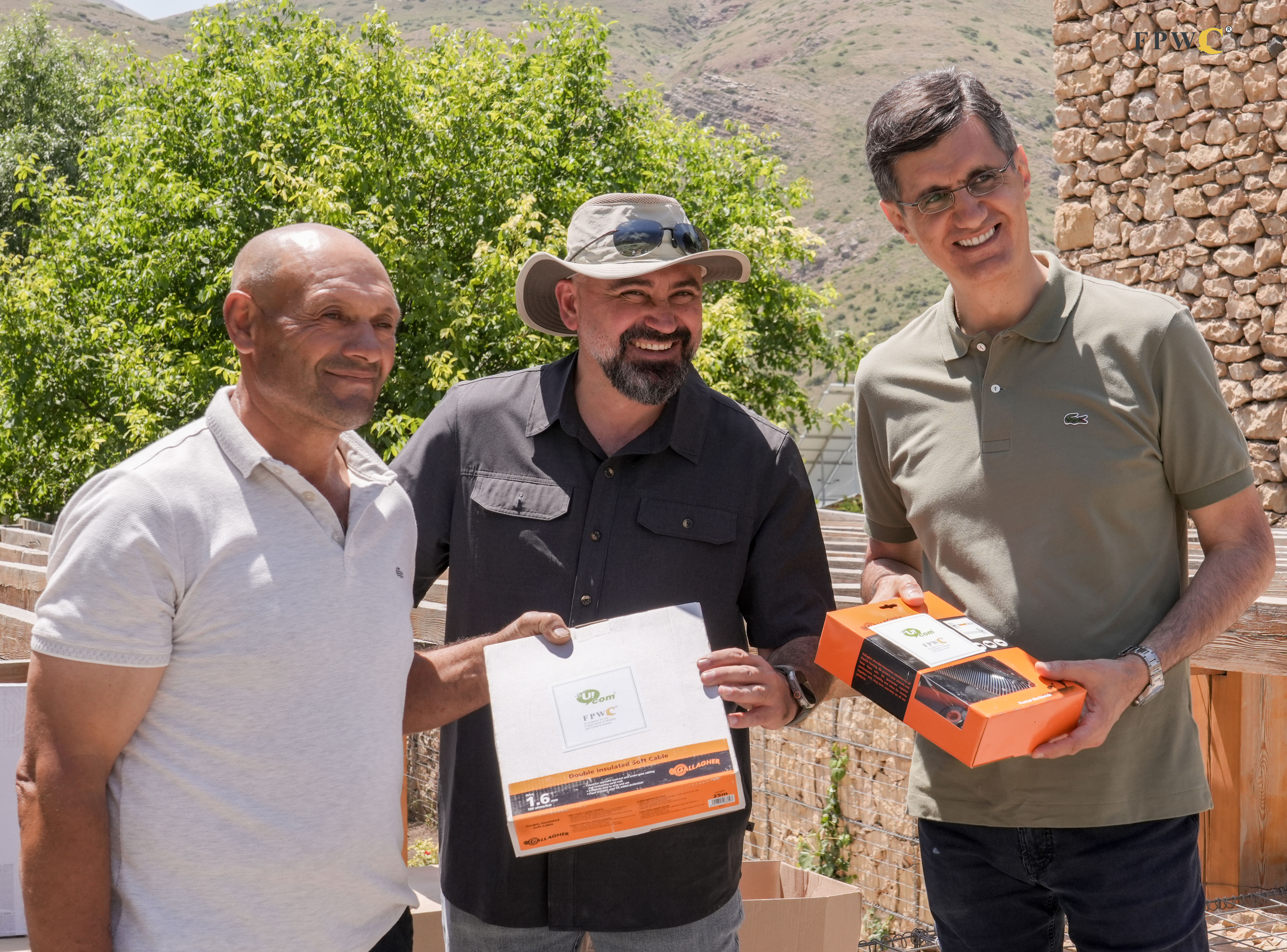
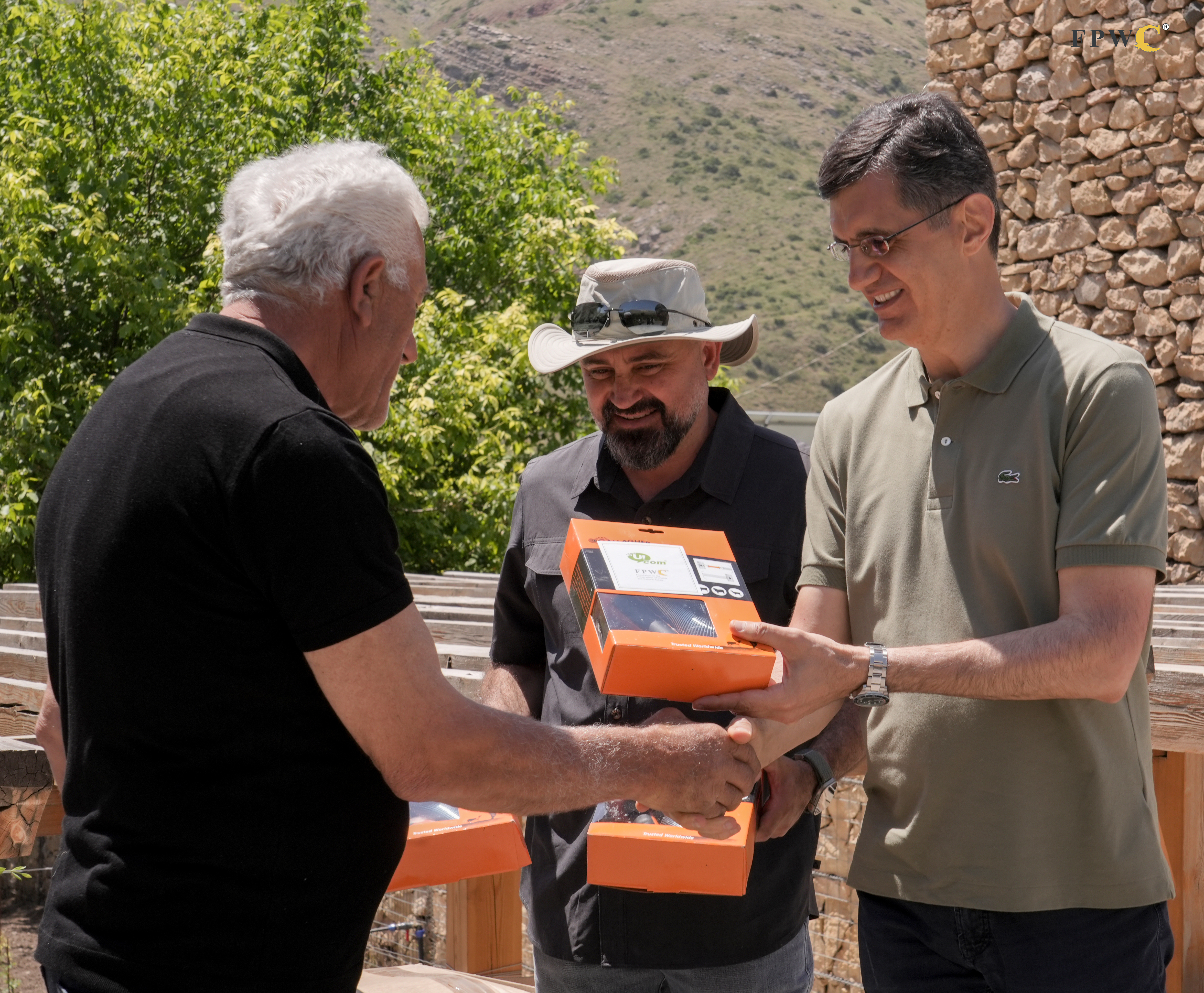
Additionally, solar-powered electric fencing was donated to beekeeping families in the Gnishik settlement to protect beehives from bears. The fence will secure approximately 1 hectare of land, helping four families keep their hives safe.
This solution is modern and environmentally safe: upon contact, the fence emits a mild electrical impulse that deters further approach without harming the animal. The installation of "electric shepherds" is seen as a practical short-term measure, while long-term initiatives continue in parallel—including tens of thousands of trees planted by Ucom that, as they grow into forests, will become a natural food source for wildlife in the future.