
Published on 27/07/2026
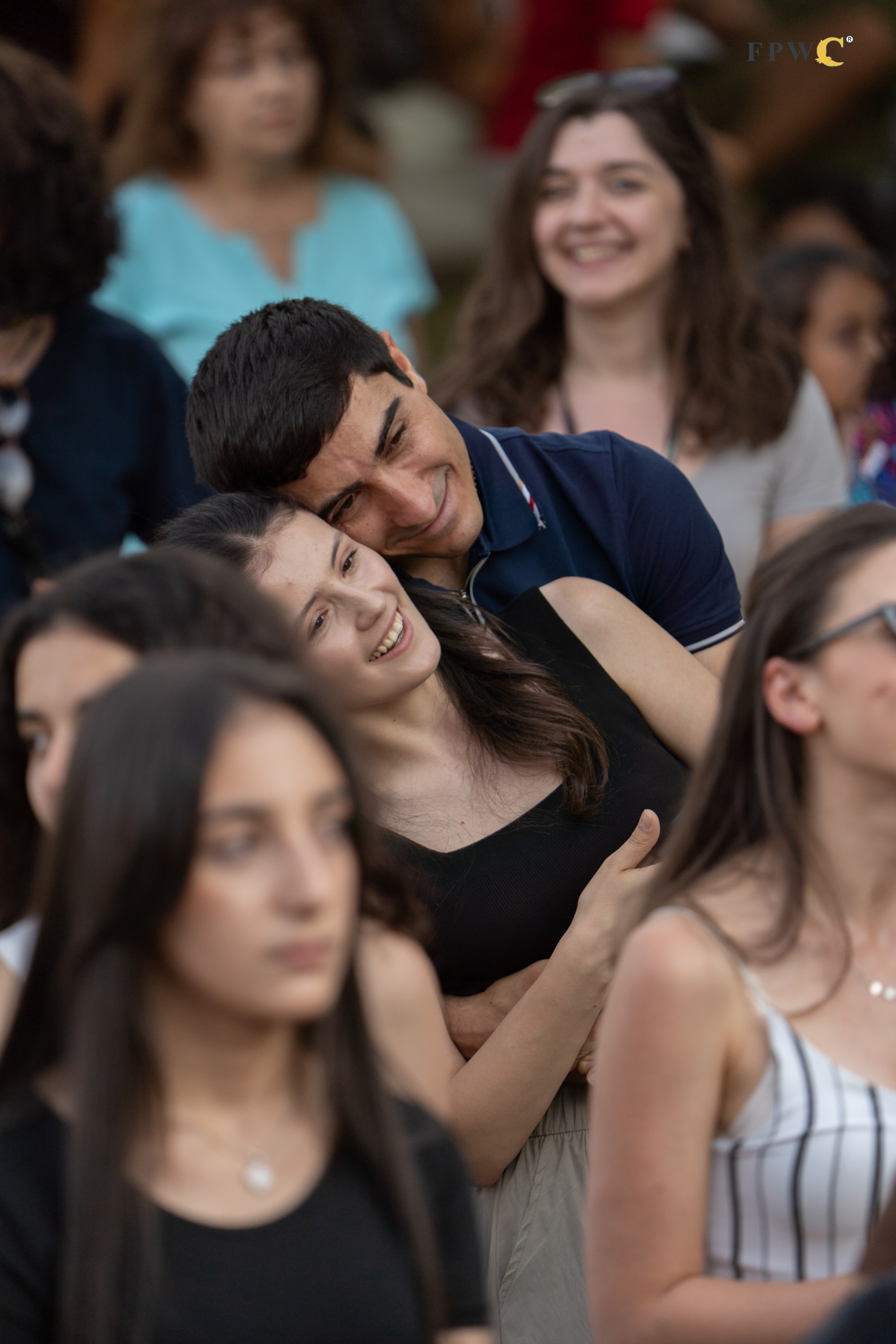
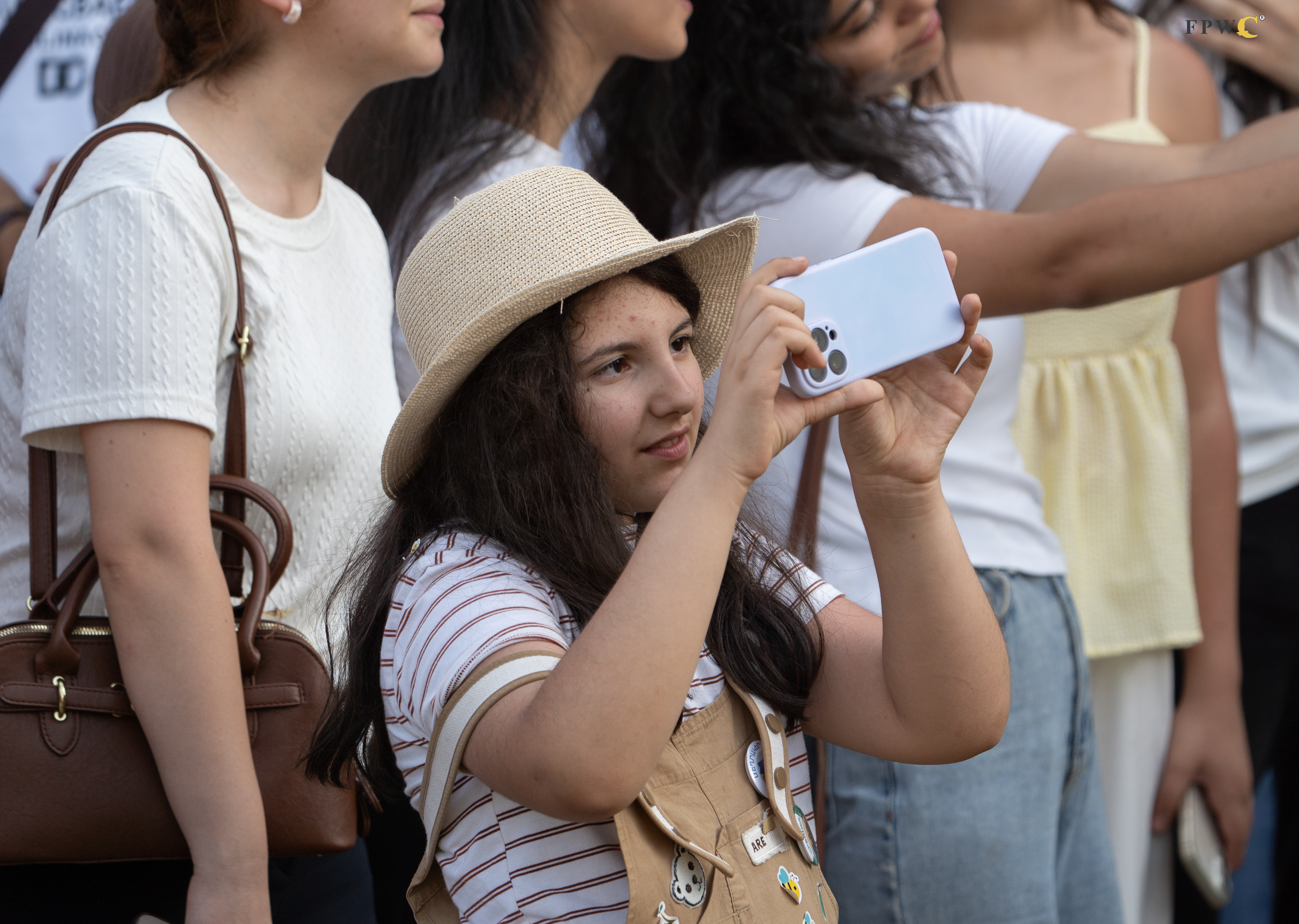
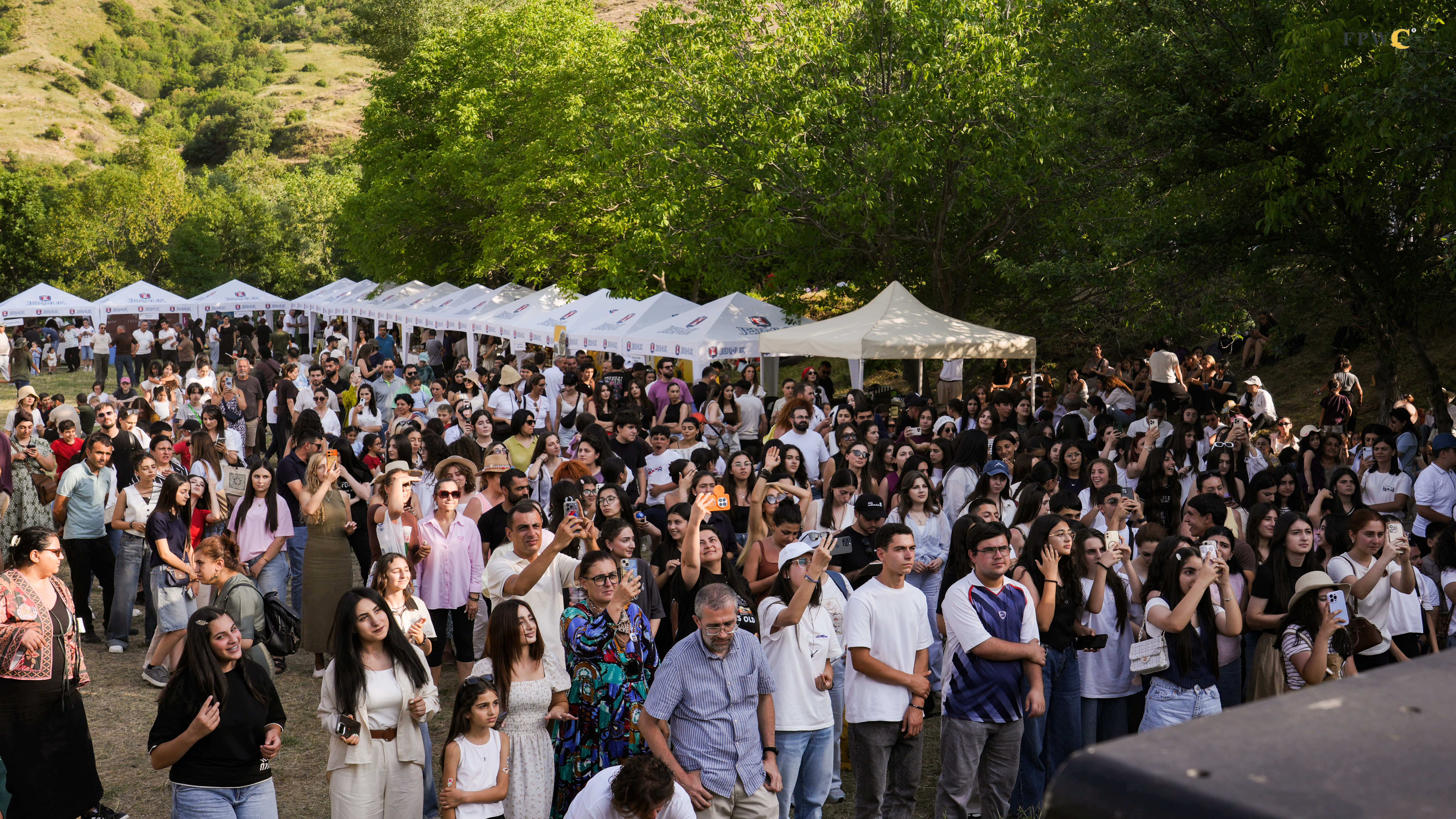
On July 25, the village of Hors in Vayots Dzor province was transformed into a hub of sustainable development, ecotourism, and cultural revival, attracting over 3,500 attendees from across Armenia. The "Yeghegis Fest: Vayots Dzor Nature and Honey Festival" was held here with great fanfare. The event, which brought together thousands of visitors, was organized by the Foundation for the Preservation of Wildlife and Cultural Assets (FPWC) in collaboration with the UK Government’s Darwin Initiative, the Tourism Committee of the Ministry of Economy of RA, and the "Bear in Mind" Foundation.
This year, "Yeghegis Fest" transcended the boundaries of a traditional local celebration, evolving into a key international platform where the green agenda, ecotourism, and wildlife conservation aligned with a strategy for socio-economic community empowerment. The main objective of the festival was to demonstrate that human-wildlife coexistence and ecological responsibility can serve as a powerful driving force for local economic development.
One of the festival's key goals was to address one of the region's most sensitive issues: human-bear dynamics. The increasingly frequent visits by wild bears to communities in Vayots Dzor and the resulting damage are a major concern for local residents, creating financial and safety challenges.
Among the honored guests, Alexandra Cole, Ambassador Extraordinary and Plenipotentiary of the United Kingdom to Armenia, delivered opening remarks before enthusiastically touring all the pavilions, tasting honey, and participating in a traditional Armenian dance workshop.
Implemented by FPWC and its partners, this long-term project—of which the festival is an integral part—aims to mitigate these risks. The goal is to stand beside residents by providing practical tools for conflict mitigation, safety systems, and new economic alternatives, such as sustainable ecotourism and beekeeping development.
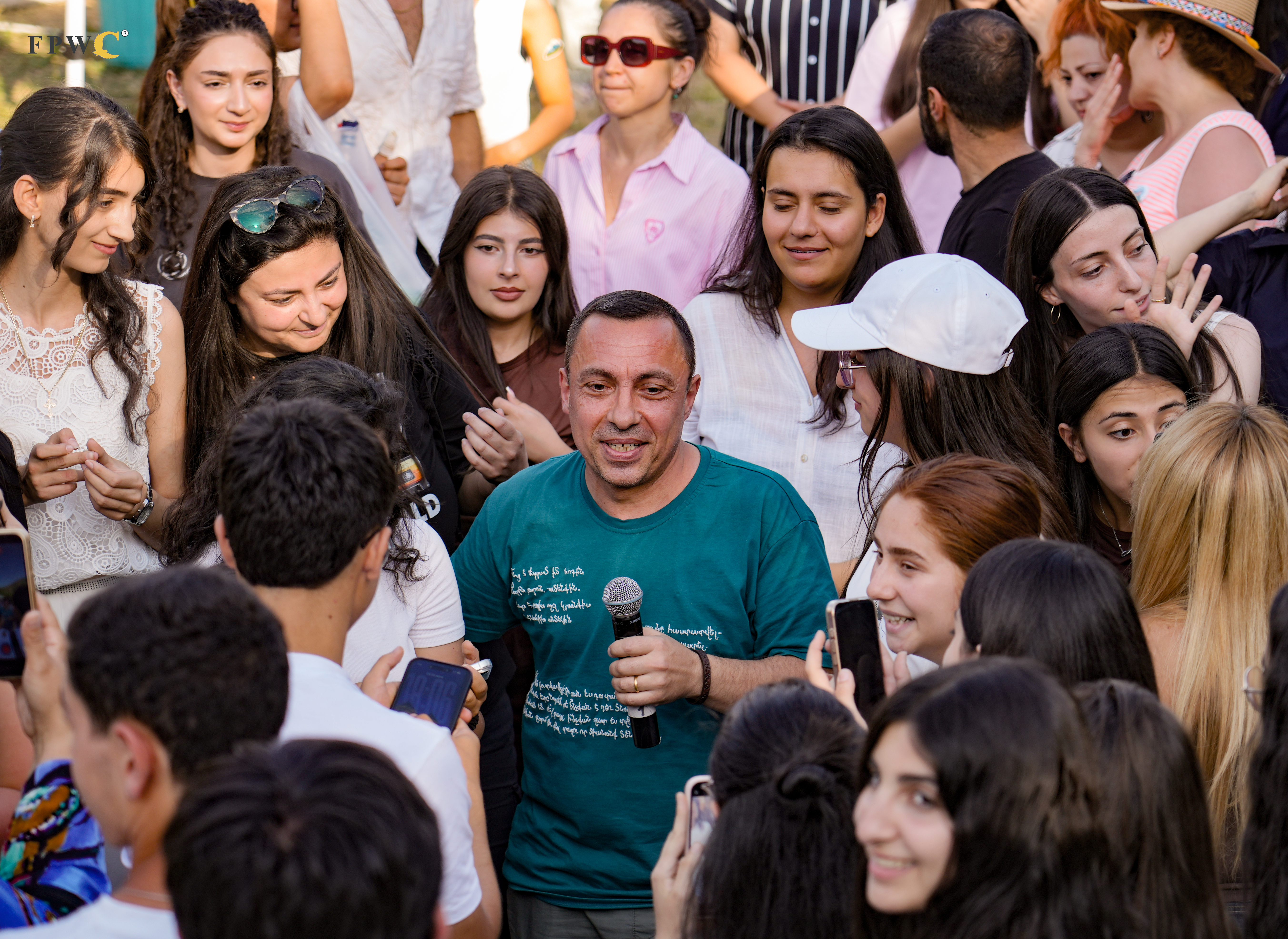
"Our goal is to create sustainable, viable models where the local community is the primary beneficiary and guardian of nature conservation. Human-bear conflict and the damage caused to communities in Vayots Dzor have been a painful issue for years, and we fully understand and share the residents' concerns and losses. That is precisely why our partnership is focused not merely on discussing the issue, but on practically mitigating risks, providing security solutions, and safeguarding livelihoods. This festival serves as a platform to demonstrate that community empowerment and adding value to local products—in this case, honey—can become the key to resolving this conflict and fostering safe coexistence," said Ruben Khachatryan, Founding Director of FPWC, in his opening address.
The festival shone with its traditional and cultural diversity. Pavilions set up in Hors village displayed the full range of Vayots Dzor’s eco-friendly honey, local handicrafts, and community life.
Diana Karapetyan, Head of the Marketing and Promotion Department at the Tourism Committee of the Ministry of Economy of RA, emphasized: "Yeghegis Fest is not only a cultural celebration, but also an effective way to support the local community and showcase Yeghegis as an attractive tourist destination. It highlights the importance of nature conservation and responsible tourism. Initiatives like this enhance Armenia's tourism appeal and help the world discover our country better."
Led by local residents, traditional and unique dishes of the region were prepared and sampled, including Artabuynk's "krchik" (sauerkraut soup), halva, and arishta (flat noodles); Salli's tonir-baked lavash and gata; as well as Hors's famous "kyalagyosh".
Accompanied by professional guides, visitors explored Smbataberd Fortress, Zorats Church, the Jewish Cemetery, Hostun settlement, Lake Hors, and Prince Chesar's Palace.
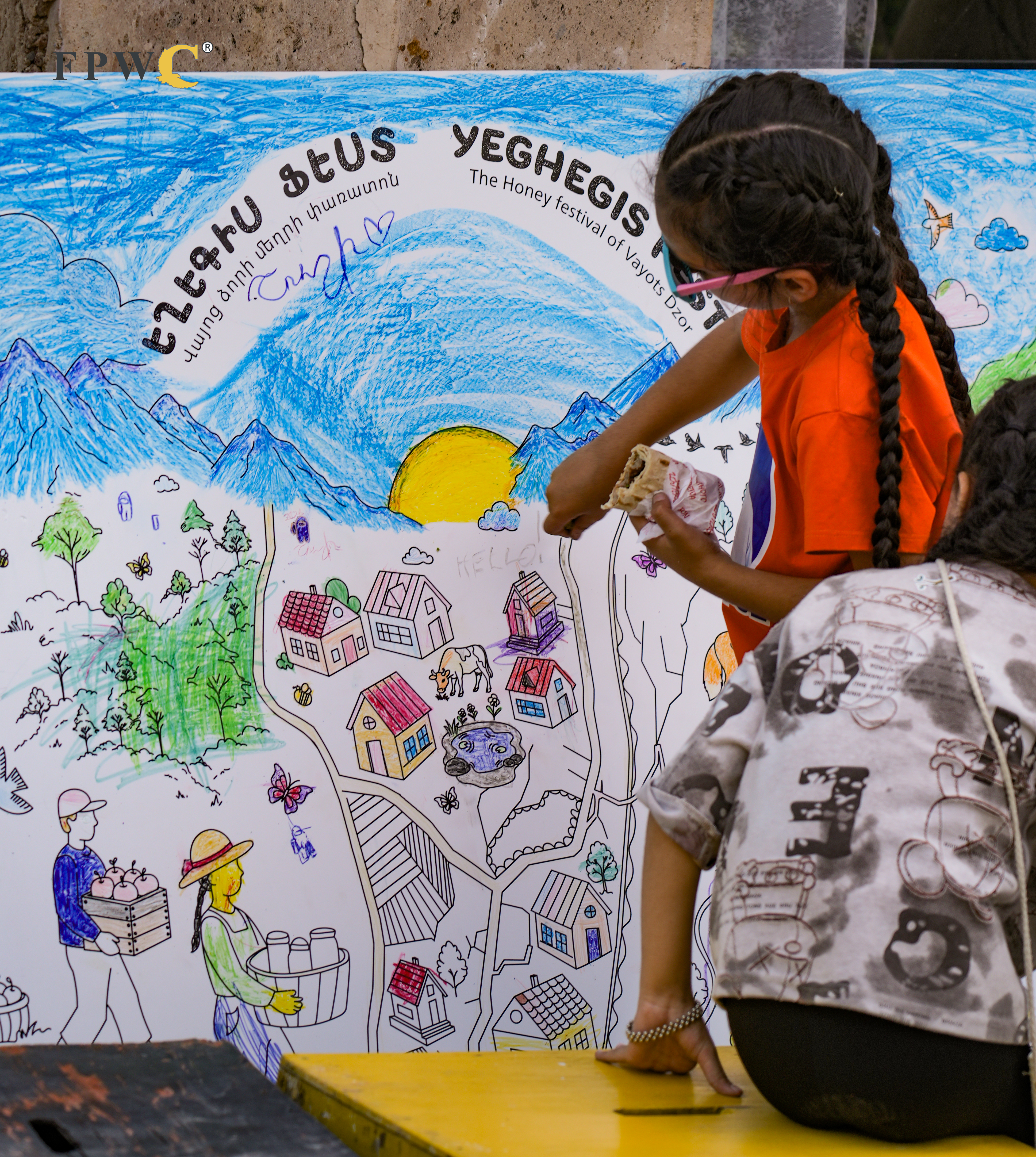
One of the most popular and impressive highlights of the festival was a record-sized, giant "paint-it-yourself" wall. Standing side by side, guests collectively painted this massive canvas, creating a unique experience that once again symbolized community unity and creative power.
Children and adults engaged in interactive workshops, examining plant biology under microscopes, crafting reusable beeswax wraps as eco-friendly alternatives to plastic, and learning the technology of extracting fiber from stinging nettle.
Particular interest was drawn to FPWC's dedicated eco-corner, which demonstrated the real-time operation of camera traps. Through this, visitors were introduced to the region's rich wildlife and the non-invasive scientific methods utilized for animal protection.
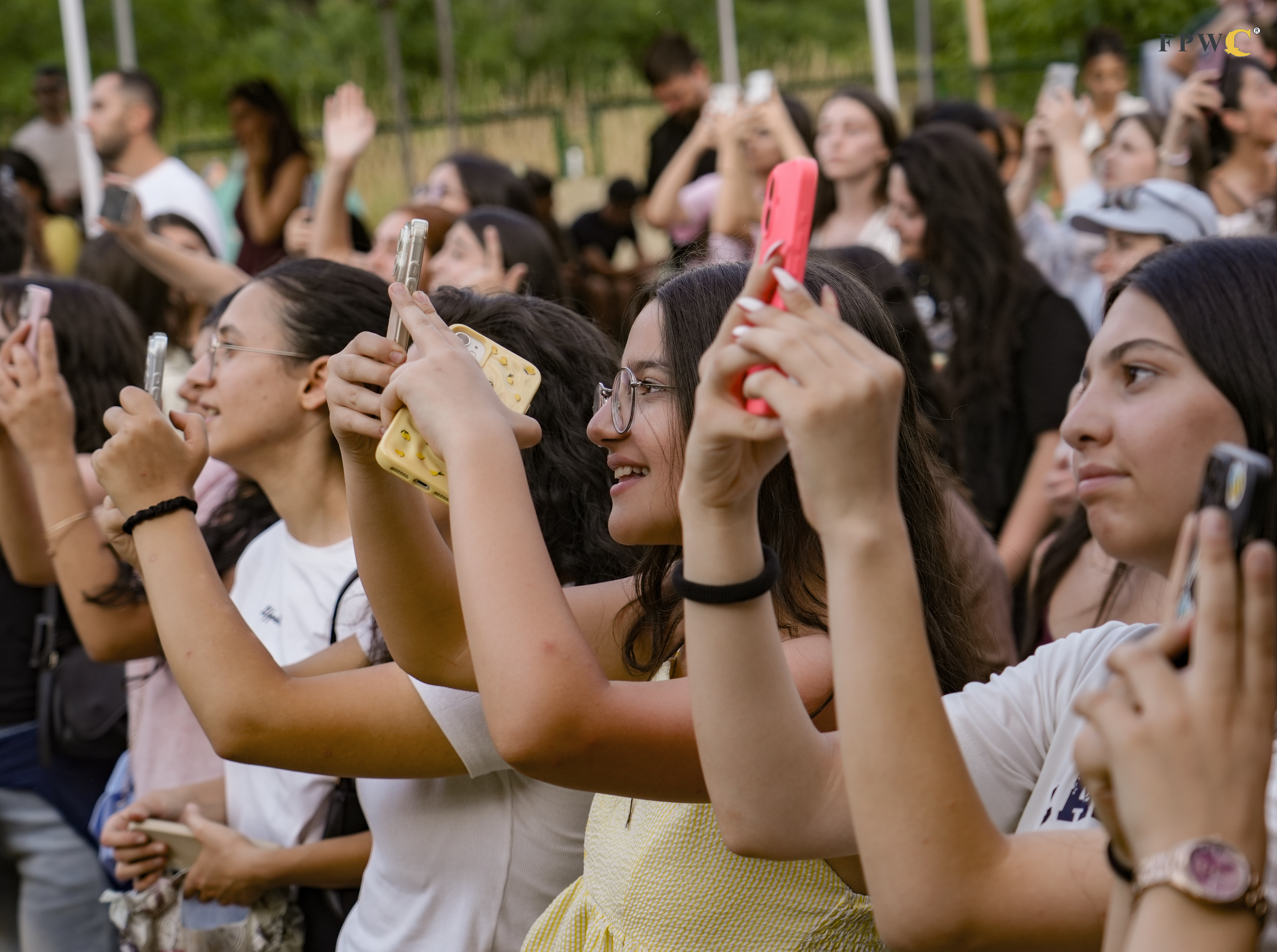
Throughout "Yeghegis Fest," attendees enjoyed a rich cultural program. National song and dance performances were delivered by students from Yeghegnadzor's Jivani Ashugh School, a dhol ensemble, and the Karaglukh Dance Studio, while modern rhythms were provided by DJ Alen Hertz.
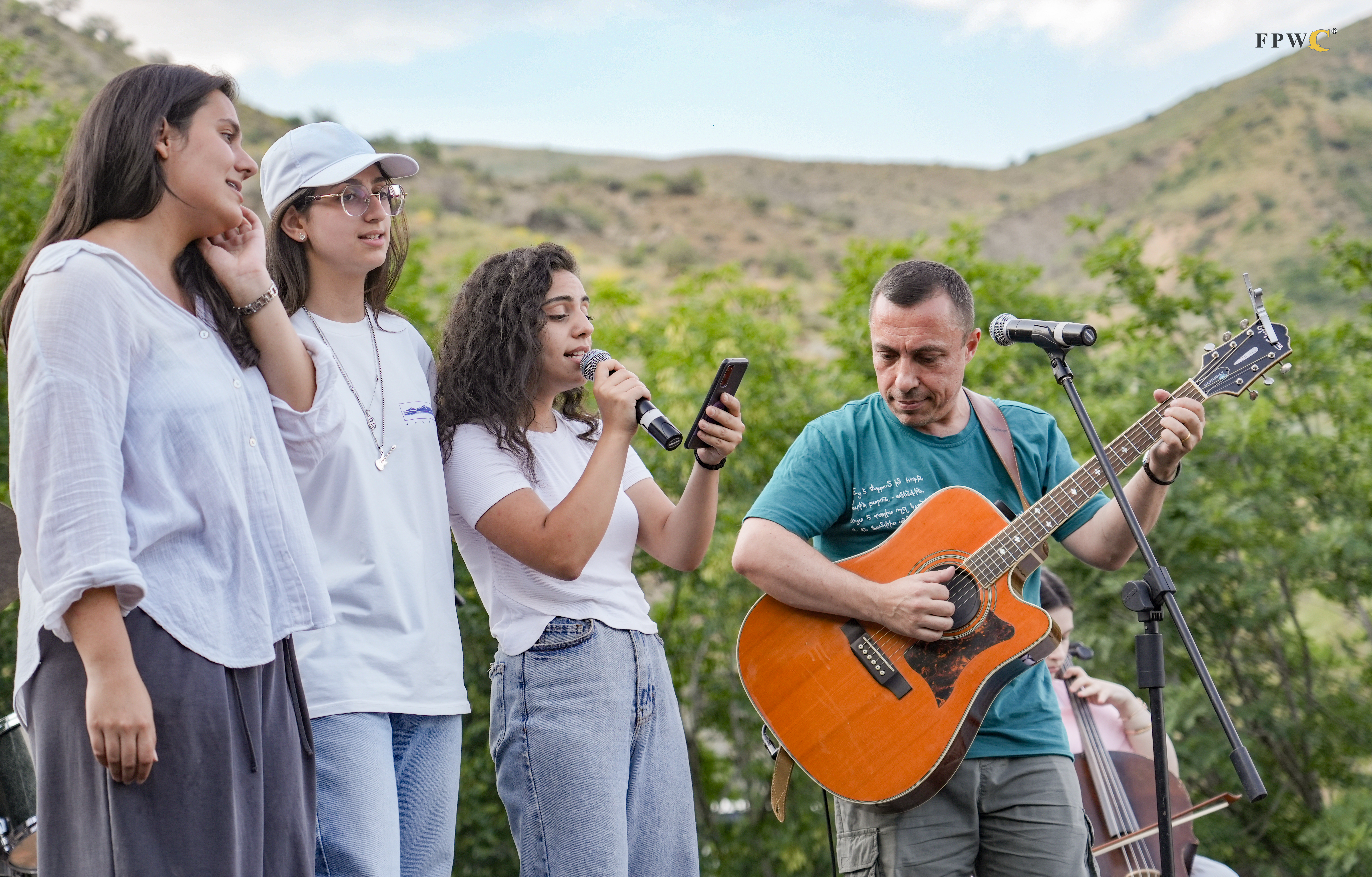
The festival concluded on a high note with live music performances: Arsen and Arthur Safaryan took to the stage, and the evening turned into a truly memorable event with the legendary band "Lav Eli," keeping the spirits and energy high among both guests and locals.
"Yeghegis Fest" proved that the right synergy between international organizations, the public sector, and community potential can create long-term development prospects, making Vayots Dzor's immense ecotourism potential even more visible on Armenia's map.
Yeghegis Gorge is unique not only in Armenia, but across the entire region. It is one of the world's most critical biodiversity hotspots, harboring numerous endemic and Red Book-listed animal and plant species. The gorge's geographical position, vertical cliffs, and ecosystem diversity provide sanctuary for rare species such as the Bezoar goat, Caucasian leopard, Golden eagle, and Brown bear. Preserving this natural wealth holds global ecological significance, laying the foundation for the implementation of strategic international projects.