Published on 27/11/2025
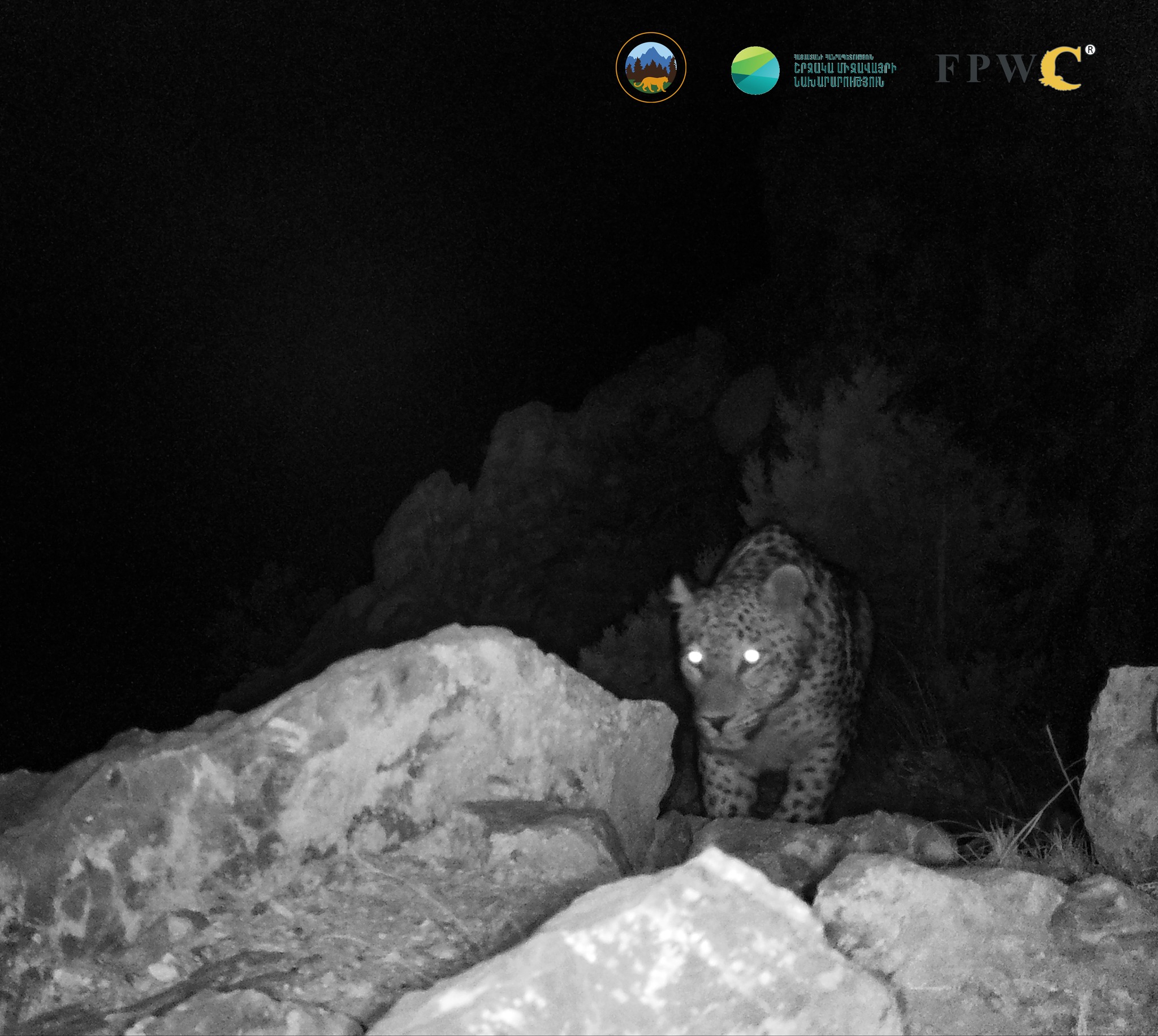
Recent camera-trap monitoring has once again recorded the presence of a Persian leopard (Panthera pardus tulliana) in the Caucasus Wildlife Refuge (CWR)—a vital indicator of the long-term effectiveness of conservation efforts in the region.
Conservation Status
The Persian leopard is listed as Endangered (EN) on the International Union for Conservation of Nature (IUCN) Red List, reflecting a severe and ongoing global decline.
Global subspecies estimate: Approximately 750–1,044 individuals remain across the entire range, with around 83% of the population in Iran.
Regional populations (camera-trap data):
Turkmenistan (Kopetdag): ~60–80 individuals
Azerbaijan: 6–17 individuals (including 3–9 cubs)
Kazakhstan: 0–5 individuals
Iraqi Kurdistan: 9 mature individuals
Armenia’s Critical Population
In Armenia, the population is estimated at only 3–9 individuals. Over the past two decades, the species’ global population has declined by roughly 50%, underscoring the urgency of sustained protection. Within this context, CWR functions as a critical safe zone helping to counteract this alarming trend.
Ecological Significance
As an apex predator, the leopard’s presence signals a healthy ecosystem, confirming a stable prey base (such as bezoar goats). The loss of this key predator would fundamentally alter ecosystem balance.
Space and Connectivity
A single leopard requires extensive territory—often 100 km² or more. CWR’s protected status provides an essential safe corridor that supports these large-scale movements and long-term survival.
Continued monitoring and habitat protection within CWR remain essential to securing a future for Armenia’s most endangered cat.