
Published on 17/11/2026
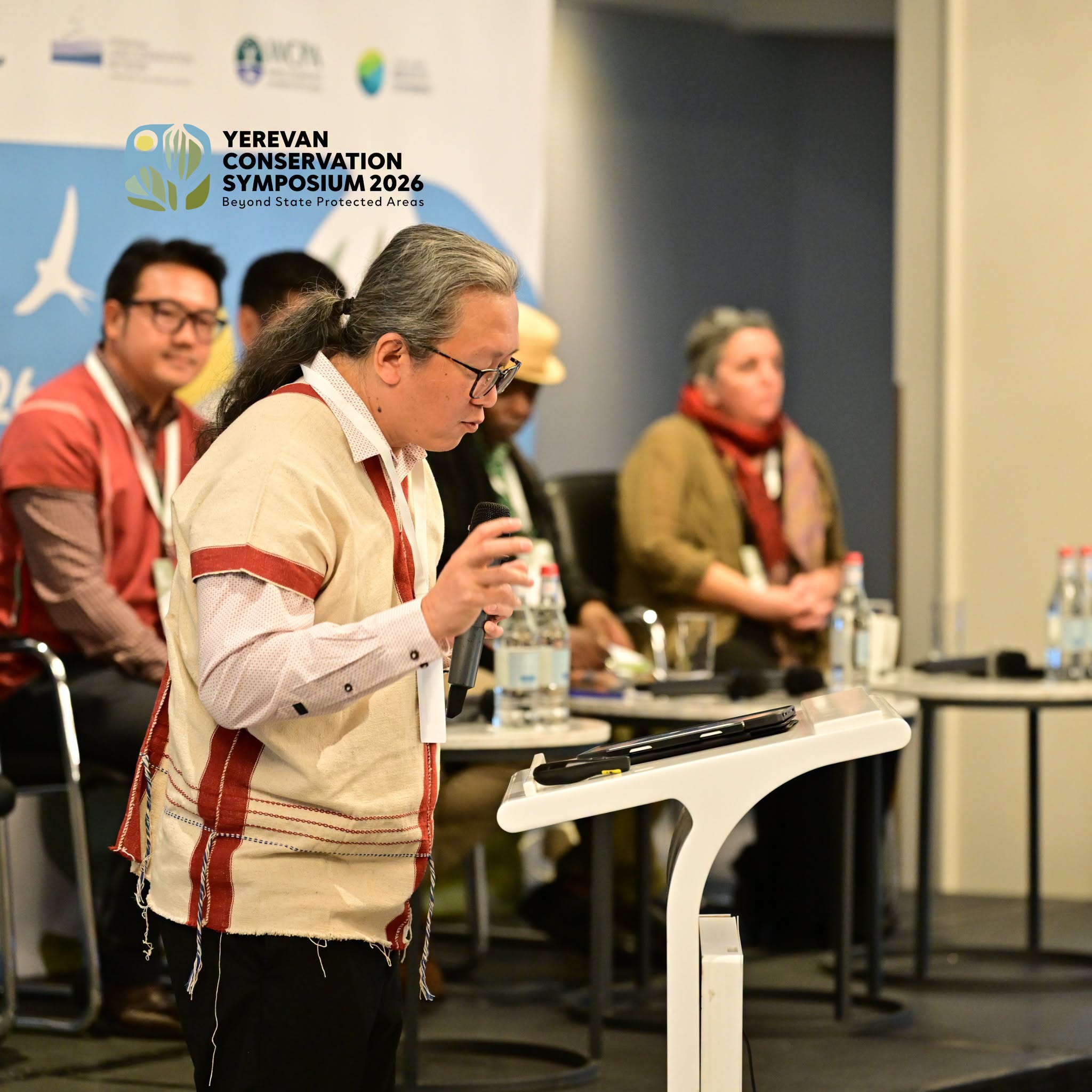
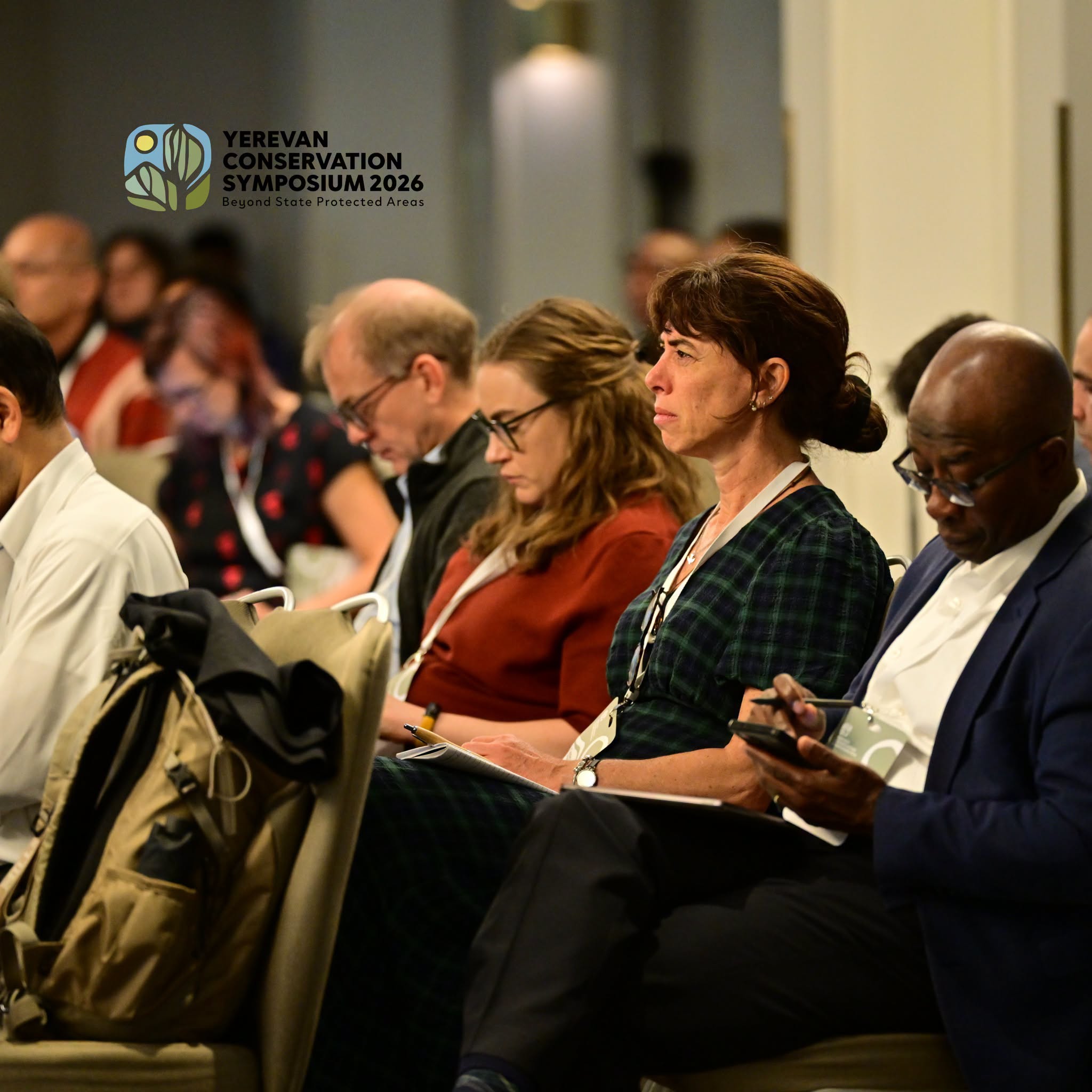
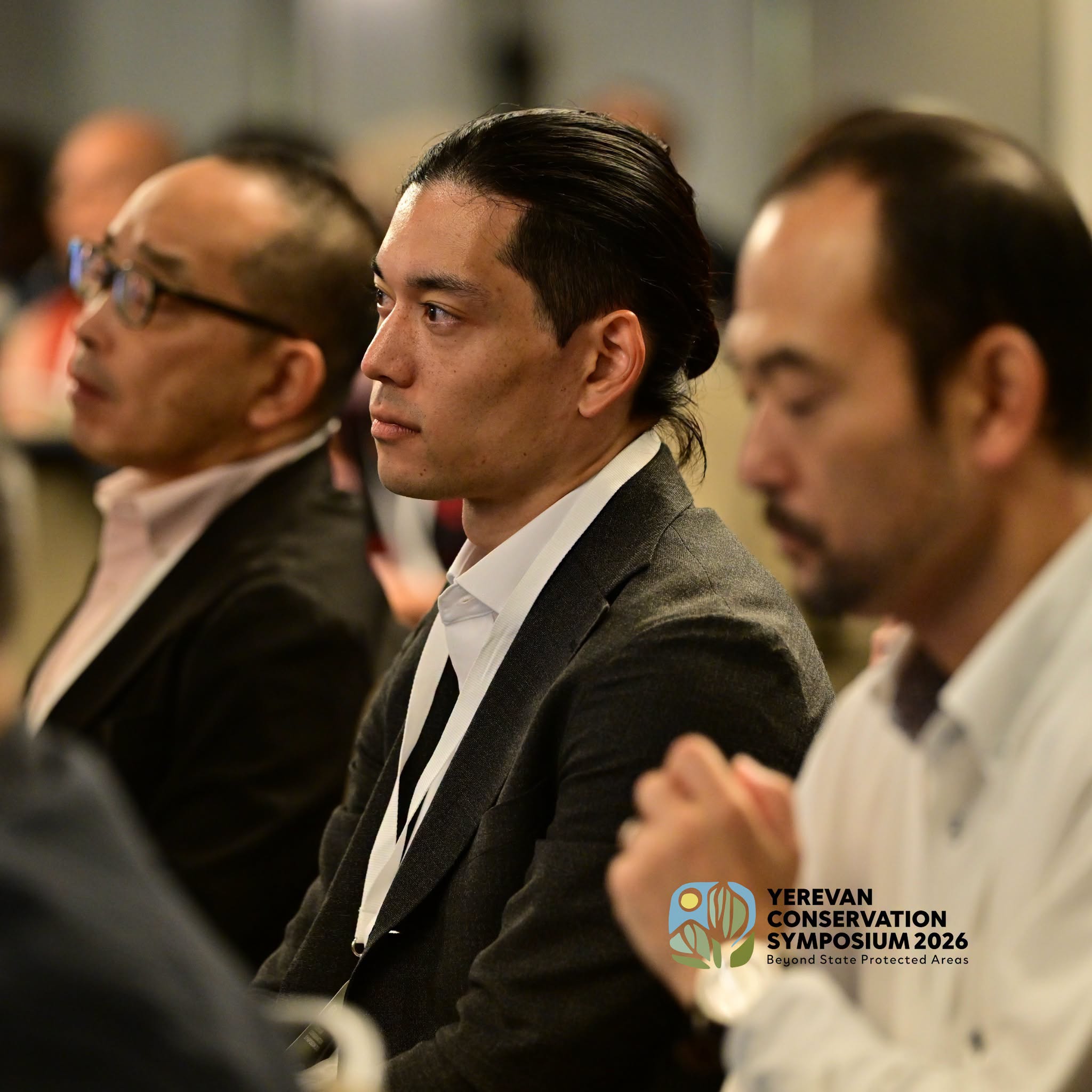
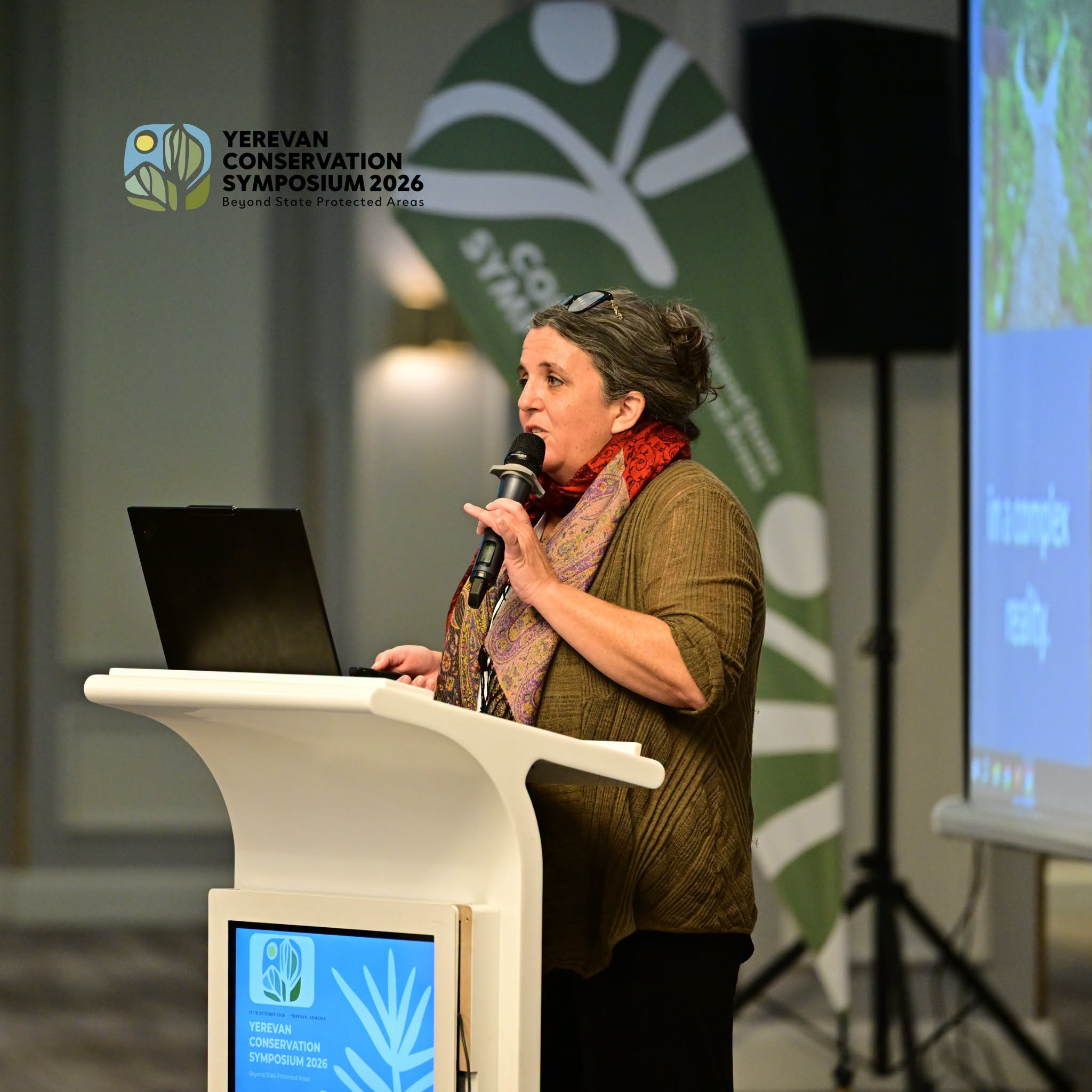
Day 2 of the "Yerevan Conservation Symposium 2026" (YCS 2026) opened with an information session dedicated to the self-determined governance of Indigenous Peoples and local communities, as well as legal and practical support mechanisms for Territories of Life. Moderated by Hanieh Moghani of the ICCA Consortium, the discussion brought together community leaders and experts from different regions of the world to present the real picture of conservation rooted in centuries-old traditions.
Opening the session, Hanieh Moghani clarified the philosophy and role of non-state governance systems in global conservation: “Conservation beyond the state does not mean conservation against the state. It is about bringing to light community and indigenous governance systems passed down through generations for centuries, which form the very foundation of global conservation.”
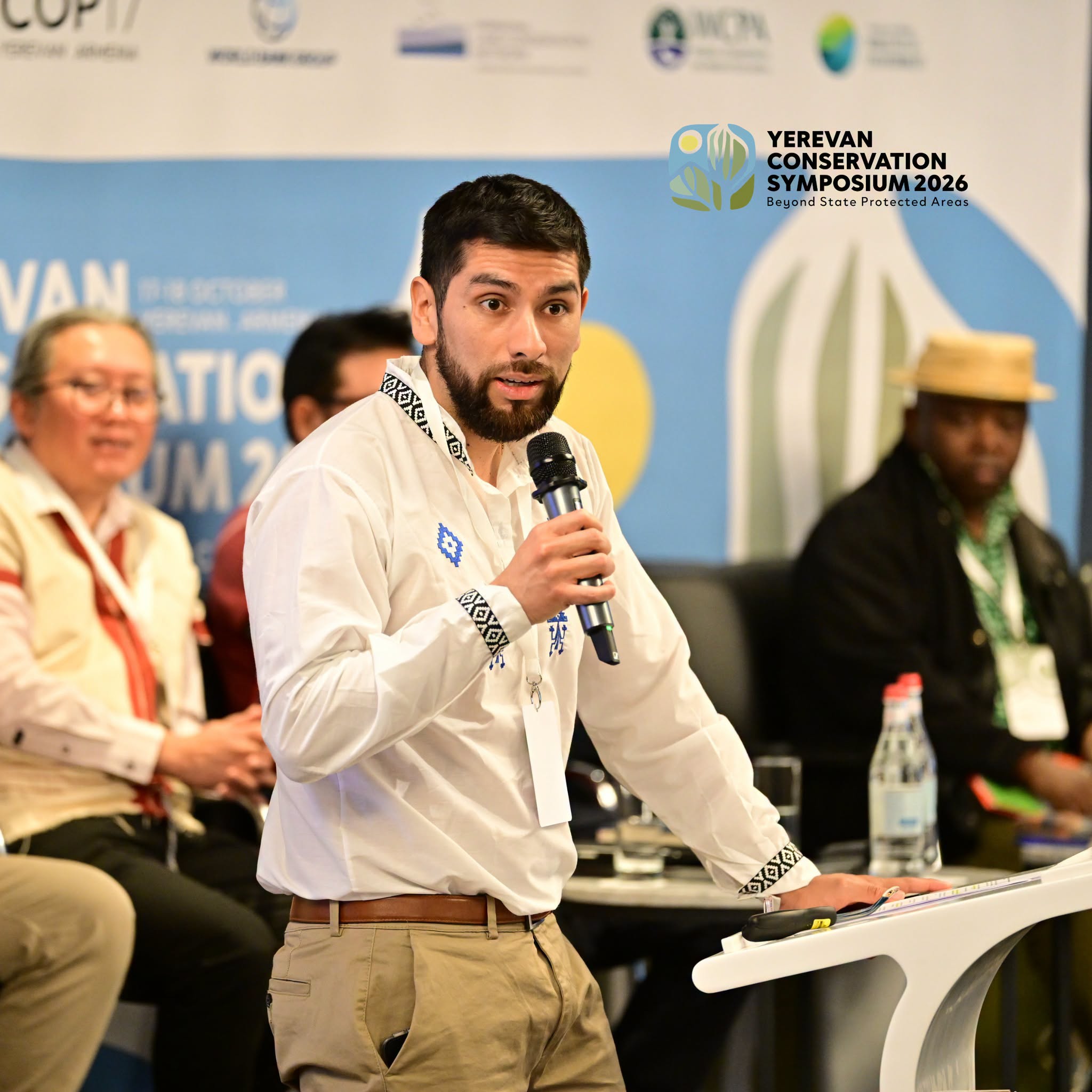
Vivid examples of this centuries-old experience were presented from the perspectives of different continents. Specifically, Simón Crisóstomo Loncopán, representing Chile's Observatorio Ciudadano / Wenumapu initiative, addressed the self-organization model of Indigenous communities in Latin America: “In Patagonia, the governance of 'Wenumapu', which brings together 70 Mapuche communities, is based on traditional assemblies (Trawün) and community consensus. Indigenous conservation experience is older than any state agreement, and it must be officially recognized.”
Similar deep-rooted traditions and community stewardship also exist on the African continent, where the preservation of forest ecosystems is directly linked to the way of life of local inhabitants. Joseph Itongwa Mukumo, representing ANAPAC and the ICCA Consortium in the Democratic Republic of the Congo (DRC), emphasized the necessity of direct support: “The Bambuti-Babuluko indigenous people living in eastern DRC have preserved forests for centuries. Conservation is effective only when traditional governance systems of local communities are respected and directly supported.”
The resilience of community governance becomes even more remarkable in crisis and conflict zones, where nature conservation serves as a guarantee of survival and the future. Paul Siein Twa of Myanmar's KESAN organization urged the international community not to halt support even under the most challenging circumstances: “We urge international partners not to stop support and funding even in zones of war and conflict. For Indigenous Peoples, conservation is 'well-being'—the interconnected harmony of people, nature, and future generations.” Complementing this message with practical facts, Banhan Chumthiomai of Myanmar's KNU noted: “Amid challenges and armed conflict, the Karen people have already registered 33 customary lands and developed a 10-year climate action plan.”
Summarizing the shared experiences and priorities, Jessica Campese of the ICCA Consortium stressed the need to move from formal recognition to providing tangible tools: “True recognition begins with internal self-recognition and community organizing. Despite progress made at the global level in recognizing Territories of Life, we have a continuous responsibility to ensure their real legal and financial support.”
The session participants reaffirmed that the successful delivery of Target 3 of the Kunming-Montreal Global Biodiversity Framework is impossible without respecting the right to self-determination of local communities and Indigenous Peoples and providing full institutional support for their governance systems.