
Published on 22/11/2026
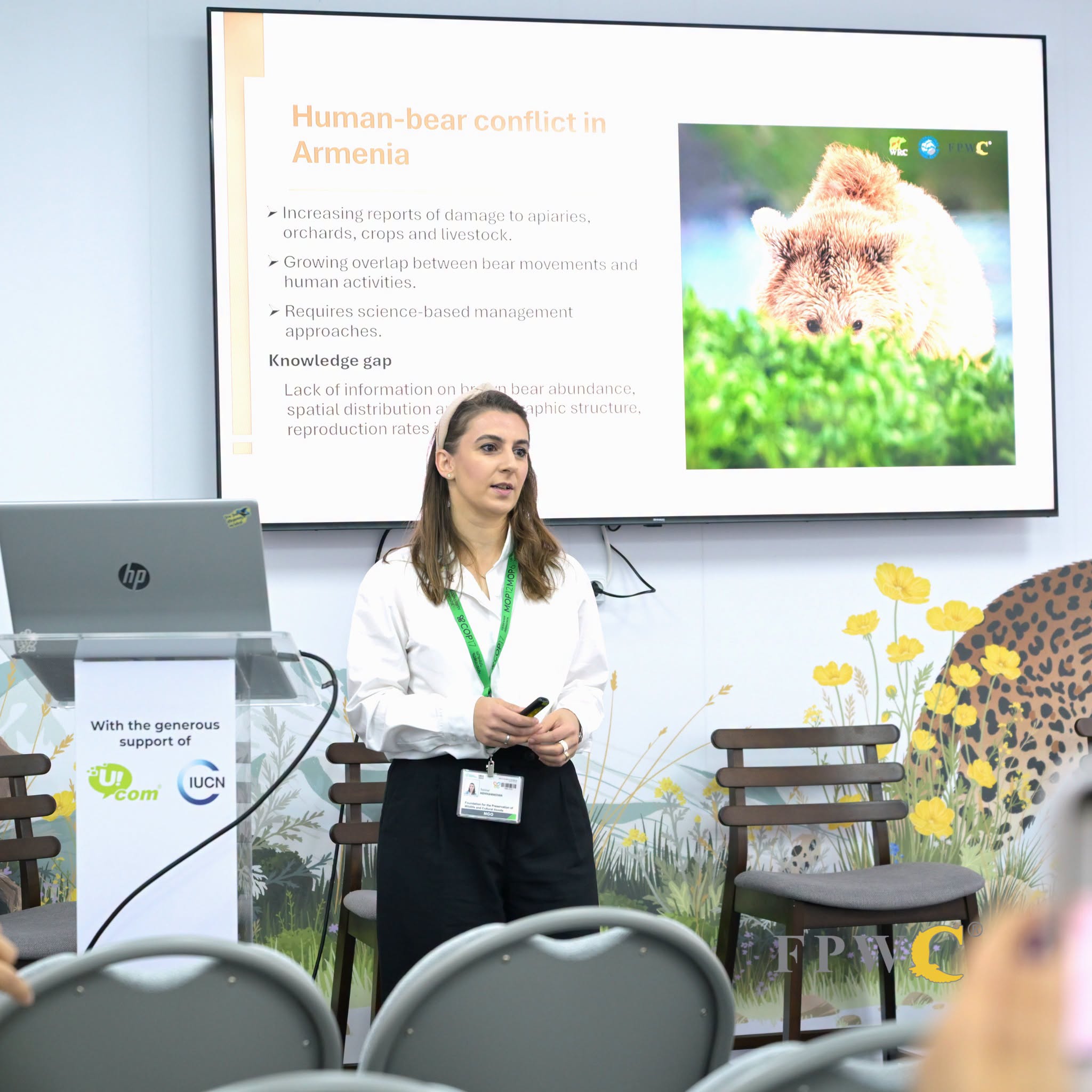
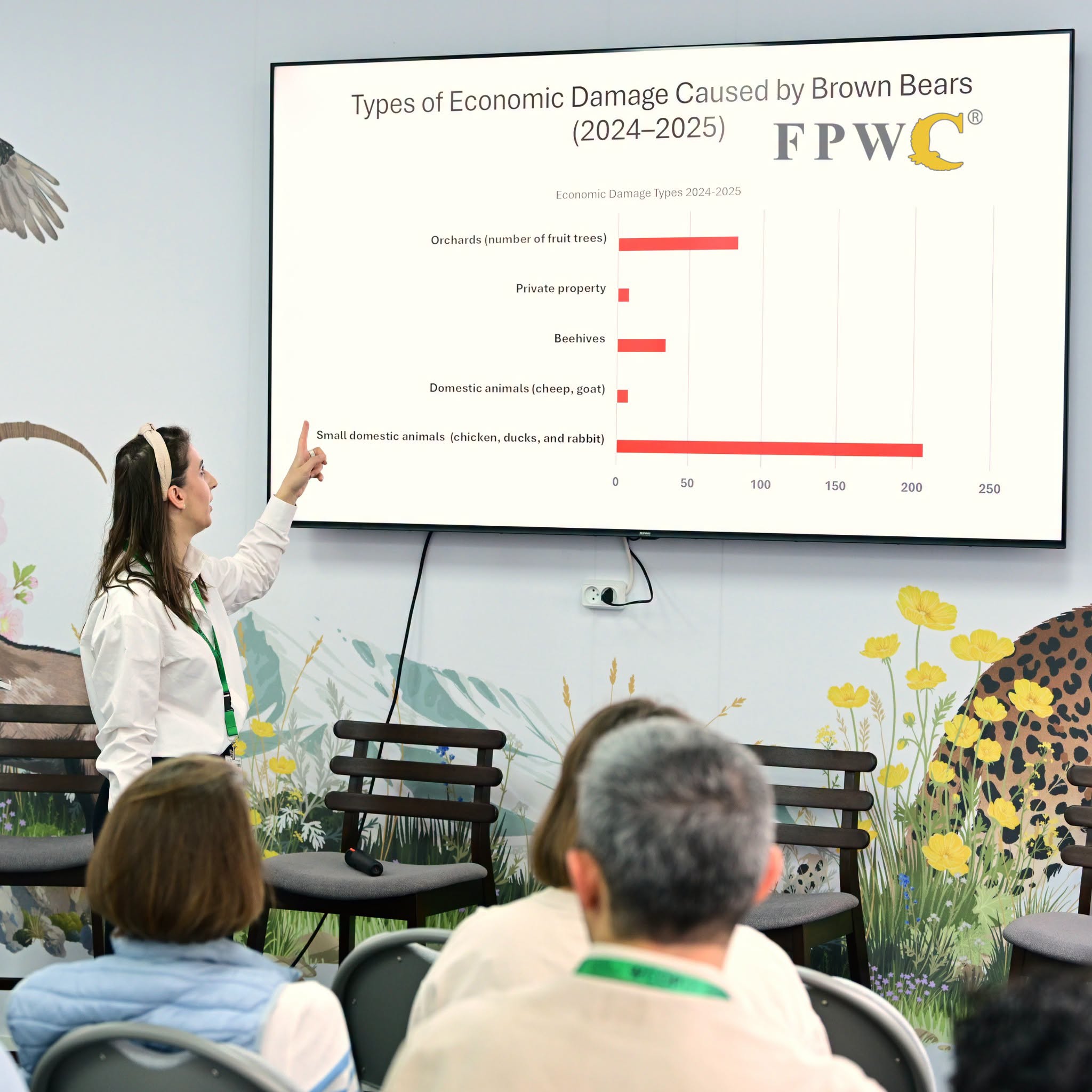
During professional discussions held within the framework of the 17th Conference of the Parties to the UN Convention on Biological Diversity (CBD COP17), FPWC Environmental Projects Manager Tsovinar Hovhannisyan presented the challenges of human-wildlife conflict and the extensive work carried out by FPWC in this direction.
At the core of the presentation were FPWC's multi-year programs and practical preventive measures aimed at reducing conflict between Syrian brown bears and local communities in Armenia. Tsovinar Hovhannisyan emphasized that effective conservation cannot be limited to the boundaries of state protected areas alone; it requires sustainable landscape-level management based on mutual trust, equal partnership, and shared responsibility with local communities.
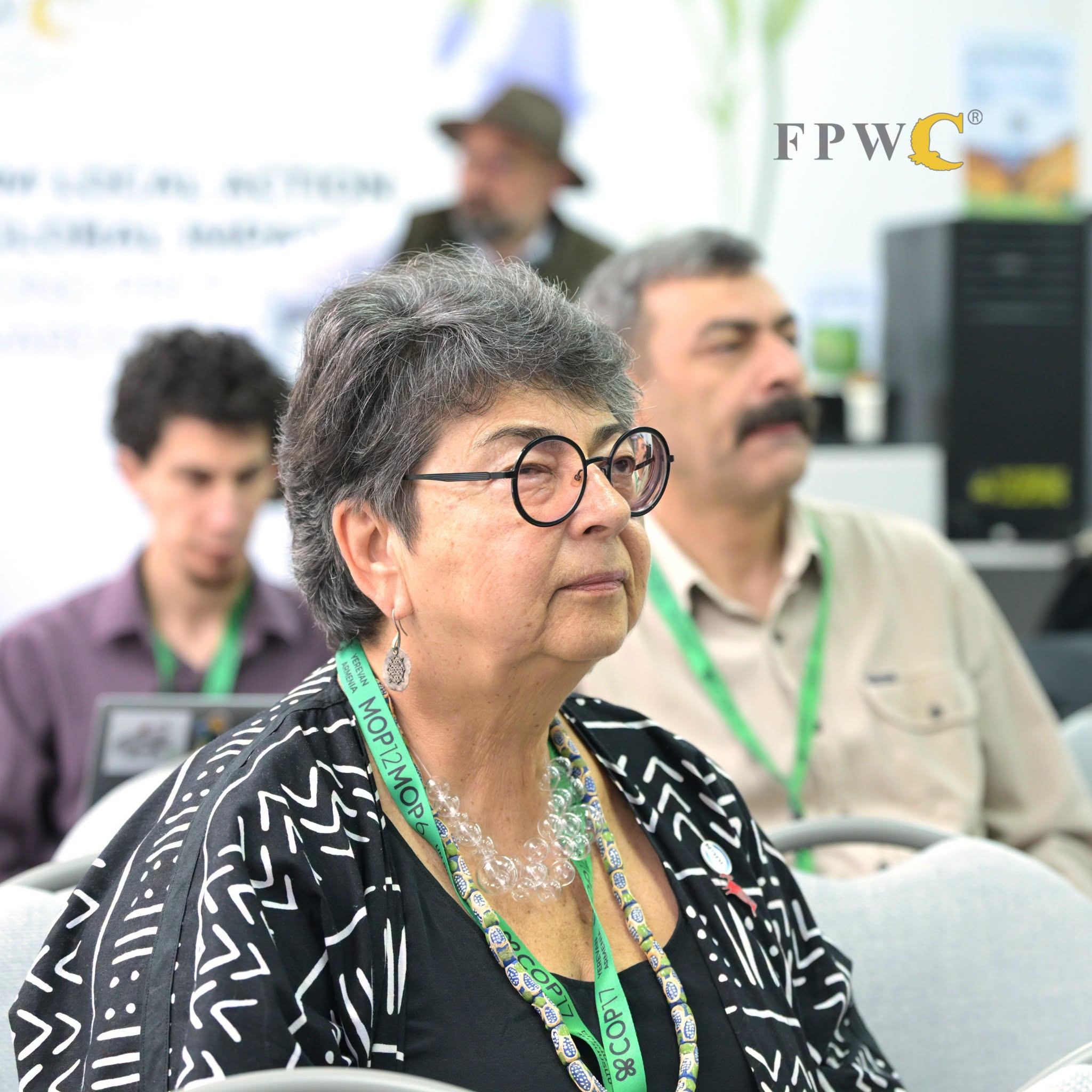
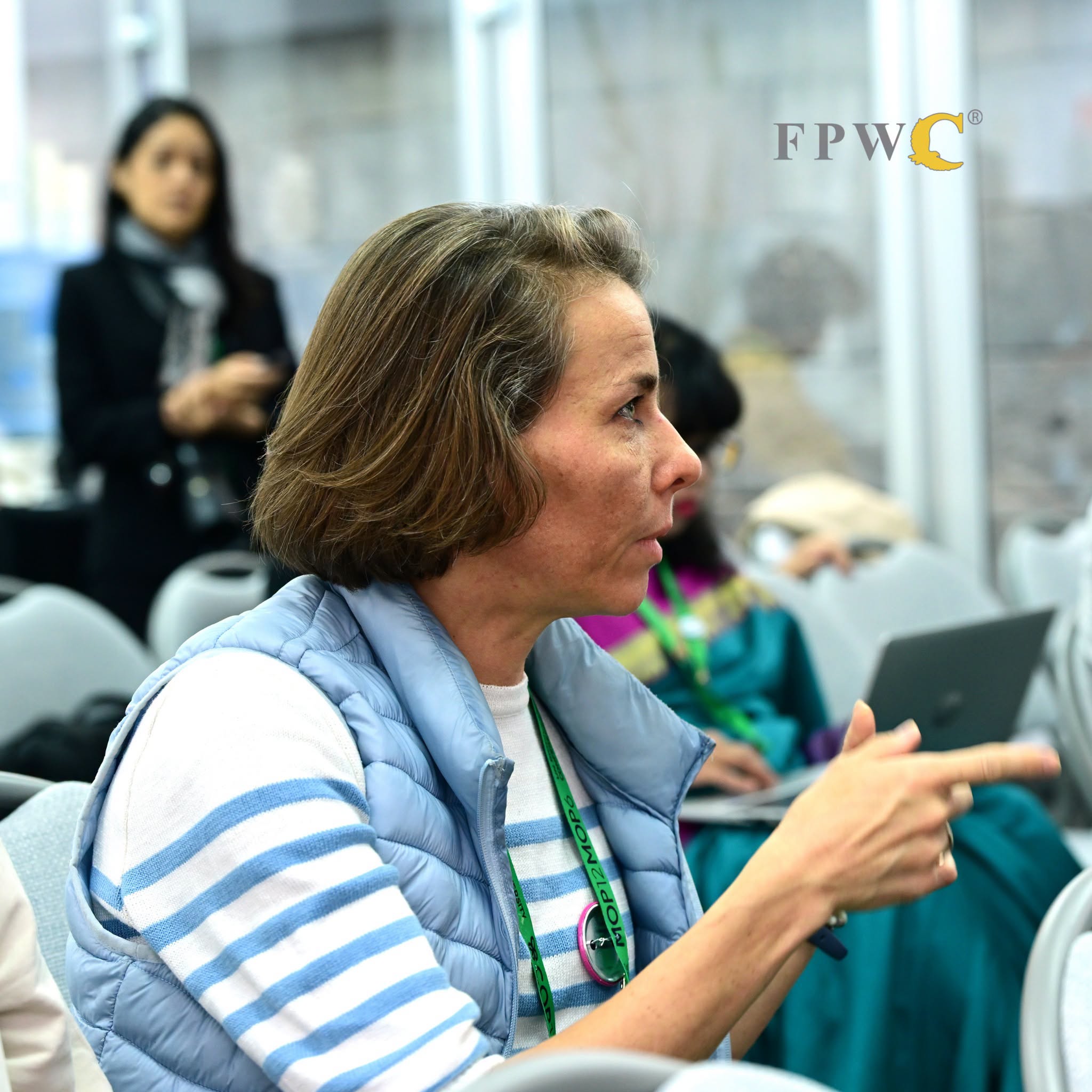
During the active discussion that followed, Tsovinar Hovhannisyan clarified that financial compensations often do not address the root cause of the problem, as communities begin to rely on damage reimbursement instead of taking preventive protective measures.
In this context, FPWC's specialized approach to supplementary bear feeding was presented: it is applied strictly as a temporary, emergency solution in areas far from human settlements. Feeding is conducted with continuous variations in location and seasonal diet to prevent animals from developing dependency on humans or specific locations.
The experience presented by FPWC demonstrates that mitigating human-wildlife conflict requires scientifically sound, preventive, and community-based solutions that can also serve as exemplary models in the context of regional experience sharing and biodiversity conservation.