
Published on 26/08/2026
Land degradation, climate change, and desertification today threaten the planet's ecological balance and the sustainable development of communities. It is obvious that an effective fight against these global challenges cannot be imagined solely through state reserves and national parks; innovative, inclusive, and science-based solutions that embrace the full potential of the non-state sector are necessary.
This very key idea was at the center of attention during the international discussions held within the framework of the UN Convention to Combat Desertification (UNCCD) COP17 conference taking place in Ulaanbaatar, the capital of Mongolia.
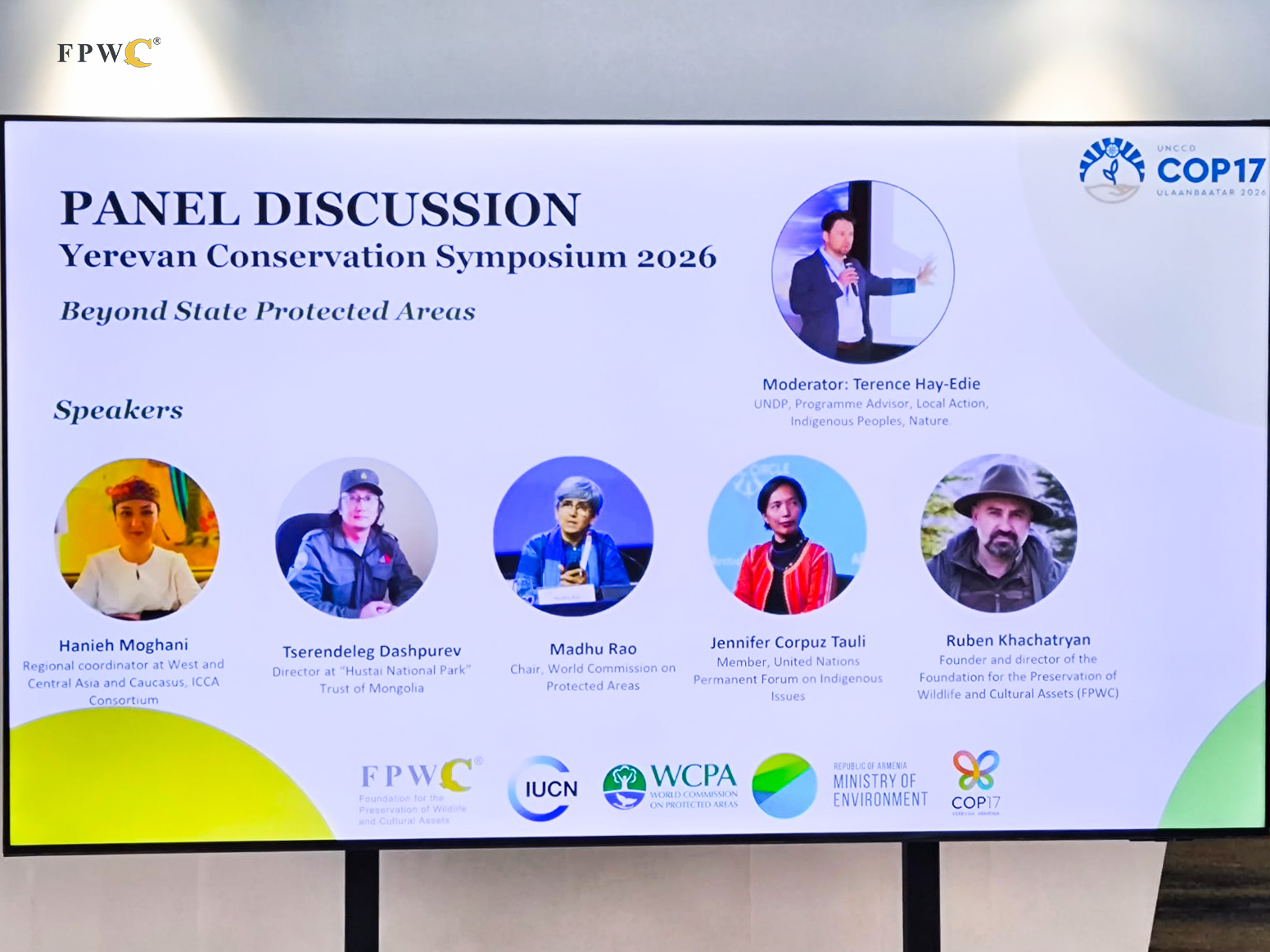
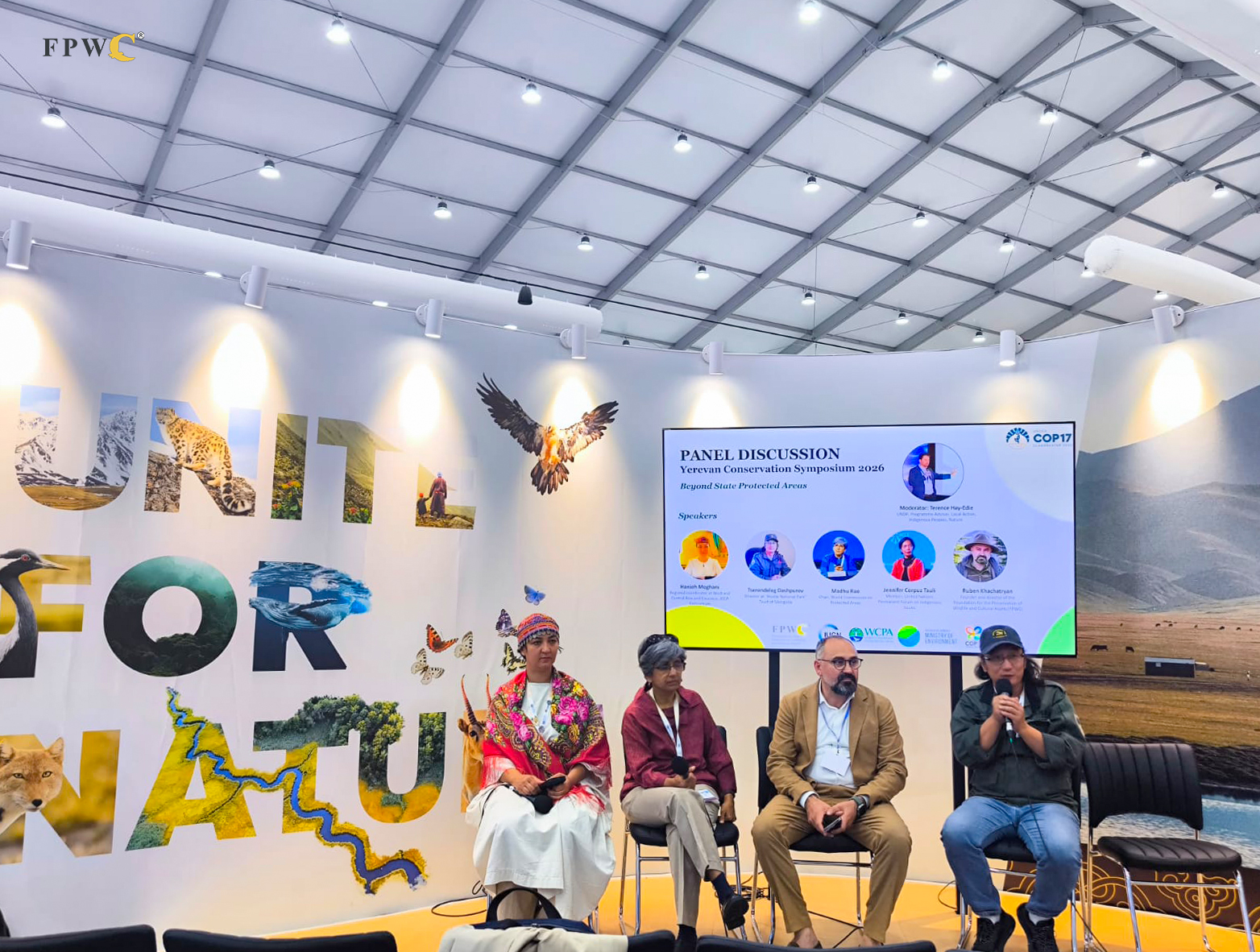
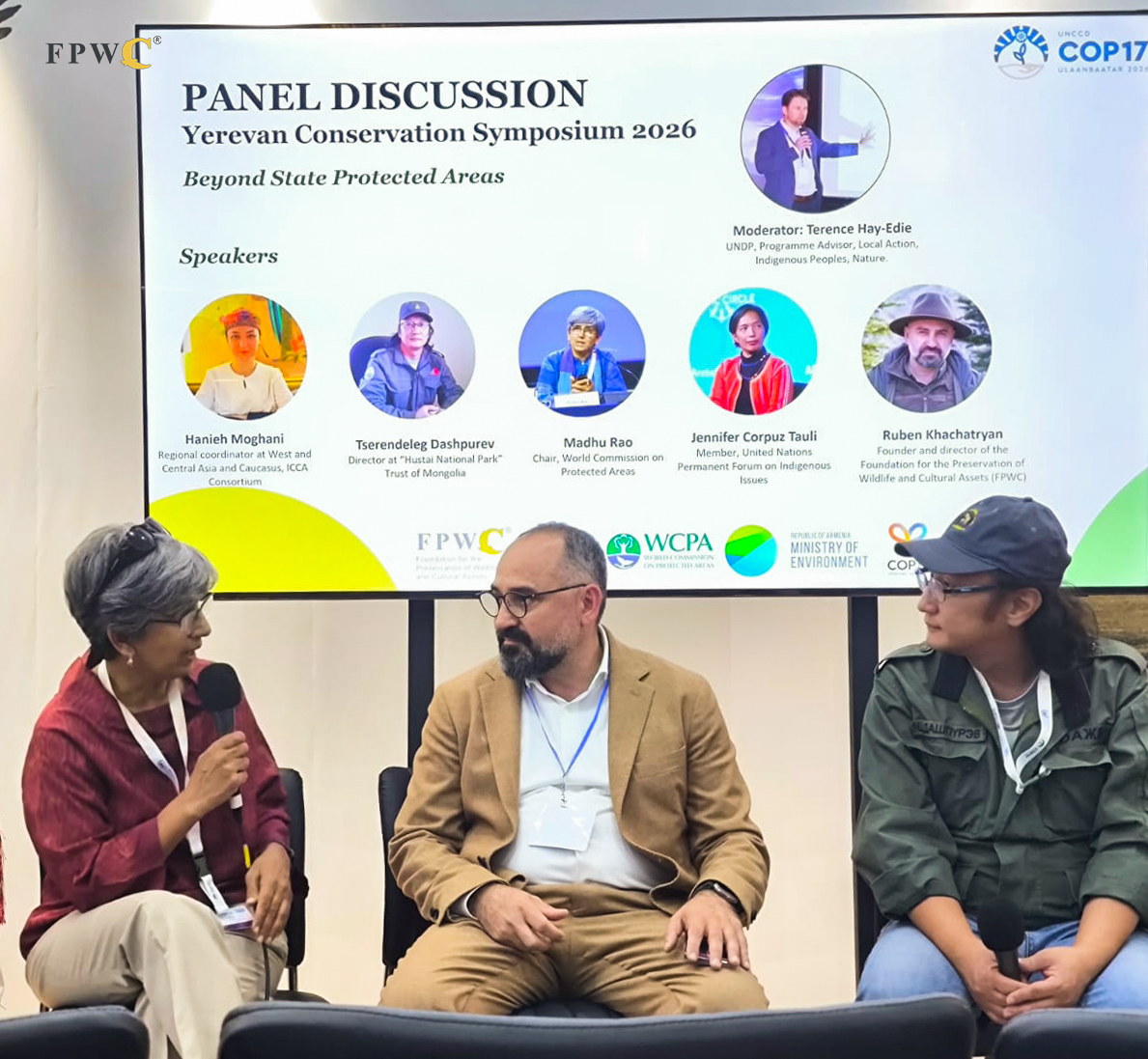
Within the framework of UNCCD COP17, a special panel discussion entitled "Yerevan Conservation Symposium 2026: Beyond State Protected Areas" took place, moderated by the United Nations Development Programme (UNDP).
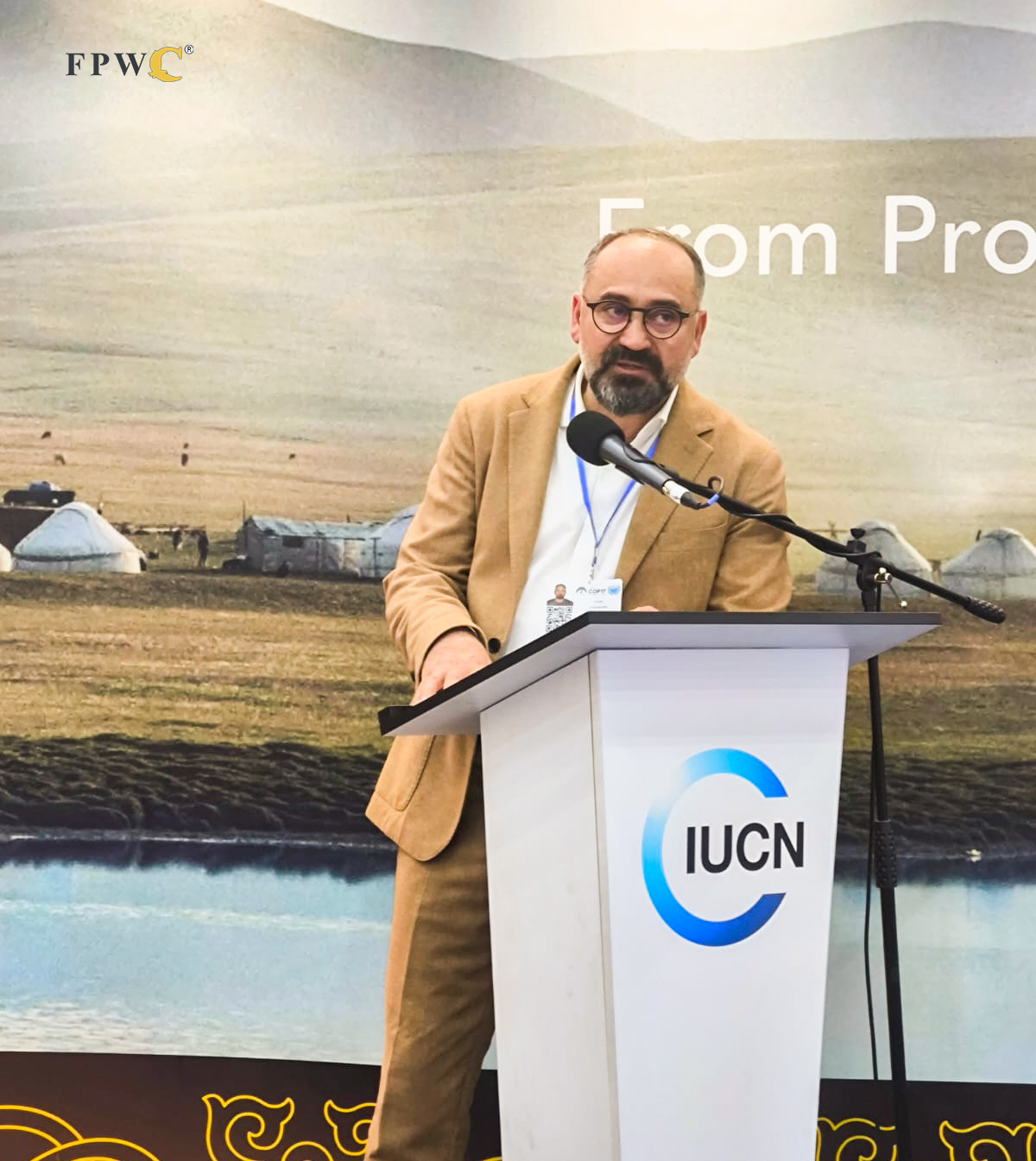
On this high-level international platform, FPWC Founder and Director Ruben Khachatryan spoke alongside leaders and experts from the world's leading conservation organizations, including:
Madhu Rao (Chair, IUCN World Commission on Protected Areas – WCPA),
Terence Hay-Edie (Senior Advisor, UNDP Programmes),
Hanieh Moghani (Regional Coordinator, ICCA Consortium),
Jennifer Corpuz Tauli (Member, UN Permanent Forum on Indigenous Issues),
Tserendeleg Dashpurev (Director, "Hustai" National Park Trust of Mongolia).
Panel participants highlighted that non-state protected areas—Privately Protected Areas (PPAs), Other Effective area-based Conservation Measures (OECMs), and Indigenous and Community Conserved Areas (ICCAs)—are of central importance in halting land degradation, mitigating climate stress, and achieving Target 3 of the Kunming-Montreal Global Biodiversity Framework (KMGBF) (effective conservation of at least 30% of terrestrial and aquatic areas by 2030).
A shining example of the high effectiveness of private and non-state protected areas is the Caucasus Wildlife Refuge (CWR), established by the Foundation for the Preservation of Wildlife and Cultural Assets (FPWC), which is the first and only privately protected area in the entire region.
Spanning around 30,000 hectares, CWR's more than 20 years of experience demonstrates how a community lease and private management model can:
Restore natural migration corridors for wildlife,
Ensure steady population growth of Red-Book-listed species (Caucasian leopard, Bezoar goat, Armenian mouflon, brown bear),
Reduce human-wildlife conflict in adjacent communities.
The successful case of CWR demonstrates to the international community that non-state protected areas do not replace the state system, but rather complement and strengthen it, creating a reliable buffer for ecological security.
The global discourse initiated within UNCCD COP17 in Ulaanbaatar will reach its logical climax in Armenia.
On October 17–18, 2026, the Pre-COP17 Global Symposium will be held in Yerevan, convening more than 200 high-level delegates, international experts, diplomats, and lawyers from 50+ countries.
The main objective of the Symposium is to formulate and adopt the historic "Yerevan Call to Action" document. This initiative aims to:
Provide legal recognition to non-state protected areas (PPAs, OECMs, ICCAs) in international and national legislation,
Establish sustainable funding and support mechanisms for communities and private conservationists,
Create a unified strategic platform prior to the official launch of the 17th Conference of the Parties to the UN Convention on Biological Diversity (CBD COP17) in Yerevan.
FPWC continues its leadership role in bridging local and international environmental agendas, ensuring Armenia's active participation in global ecological decision-making.