
Published on 11/07/2026
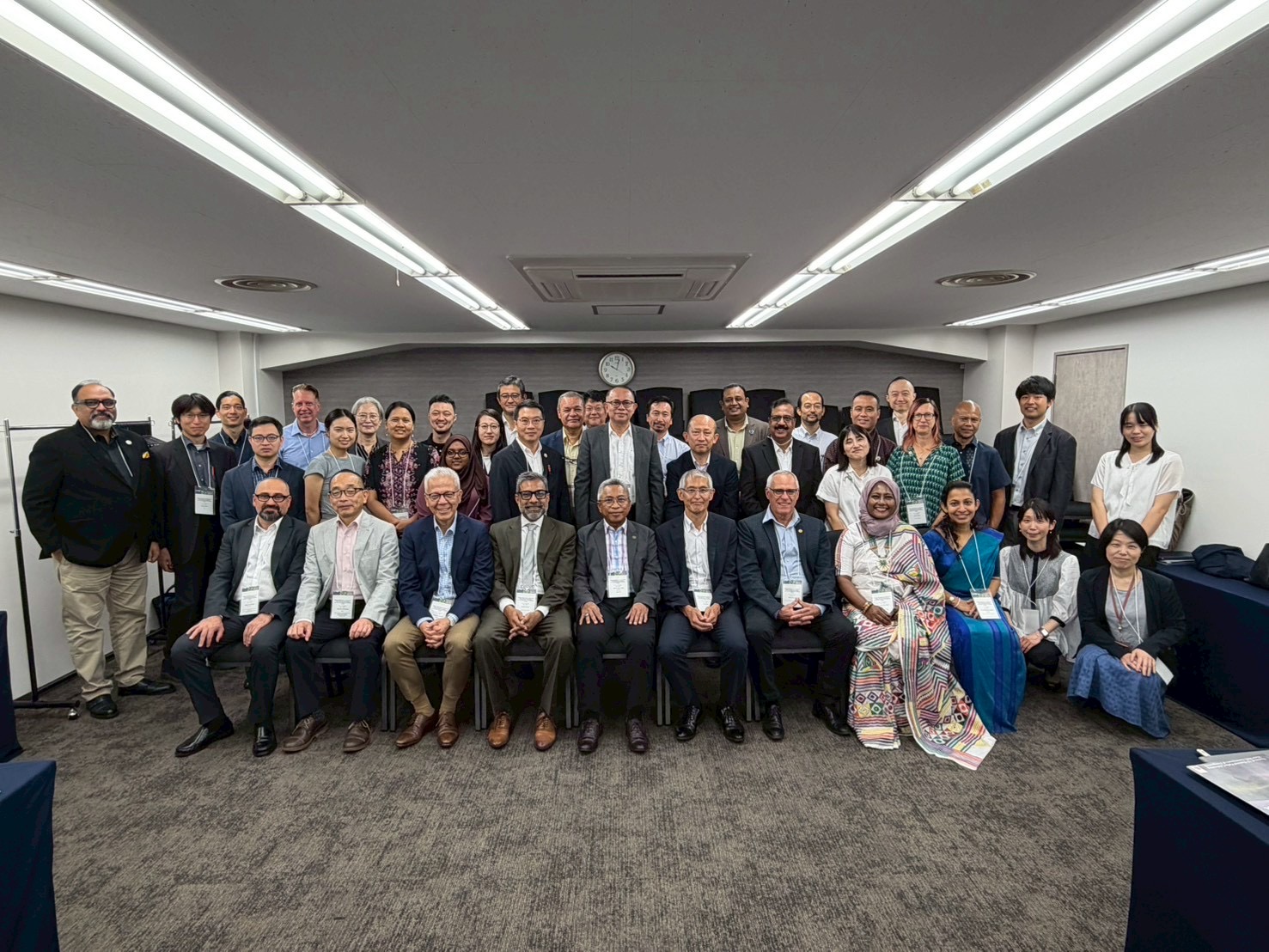
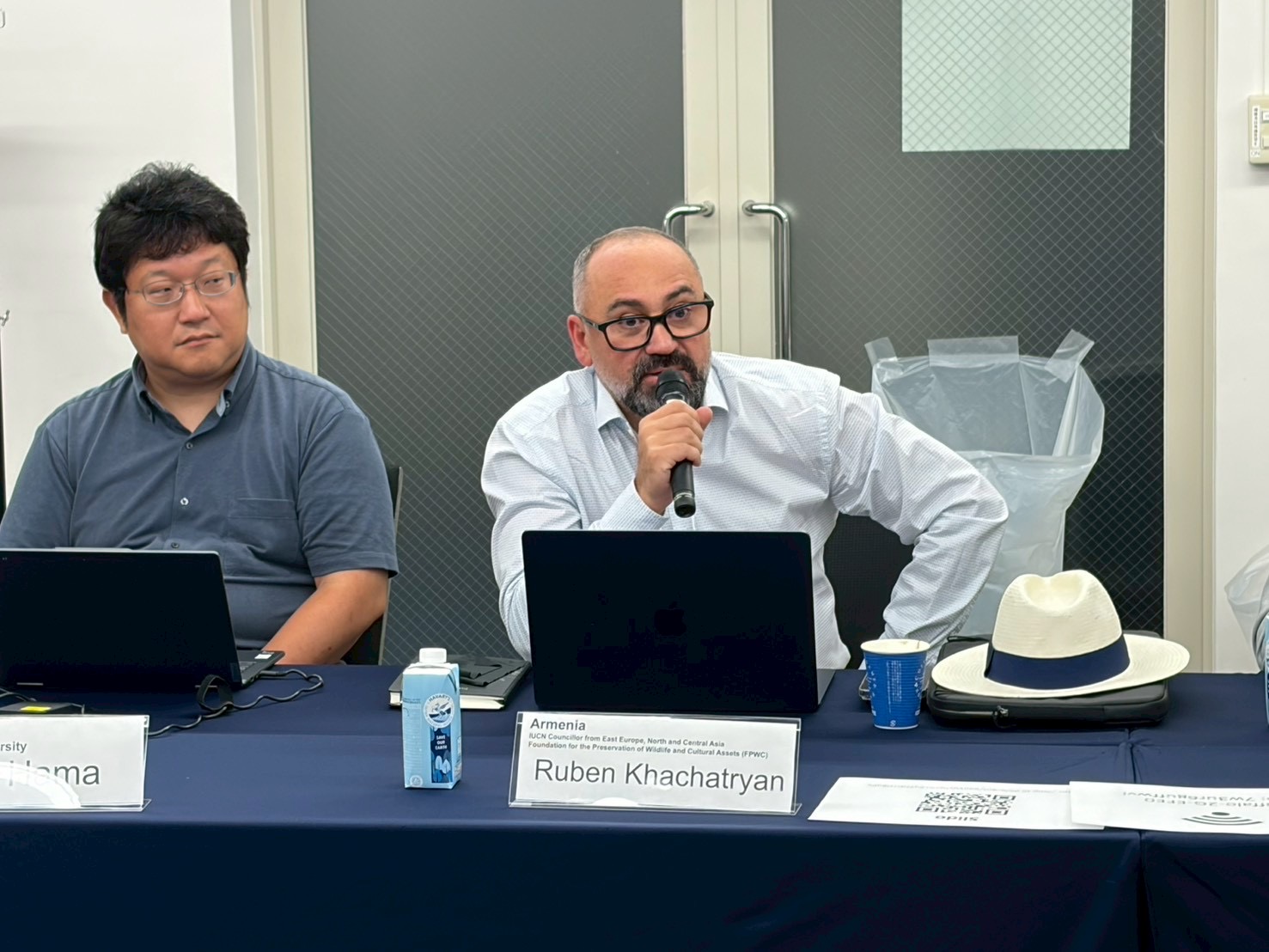
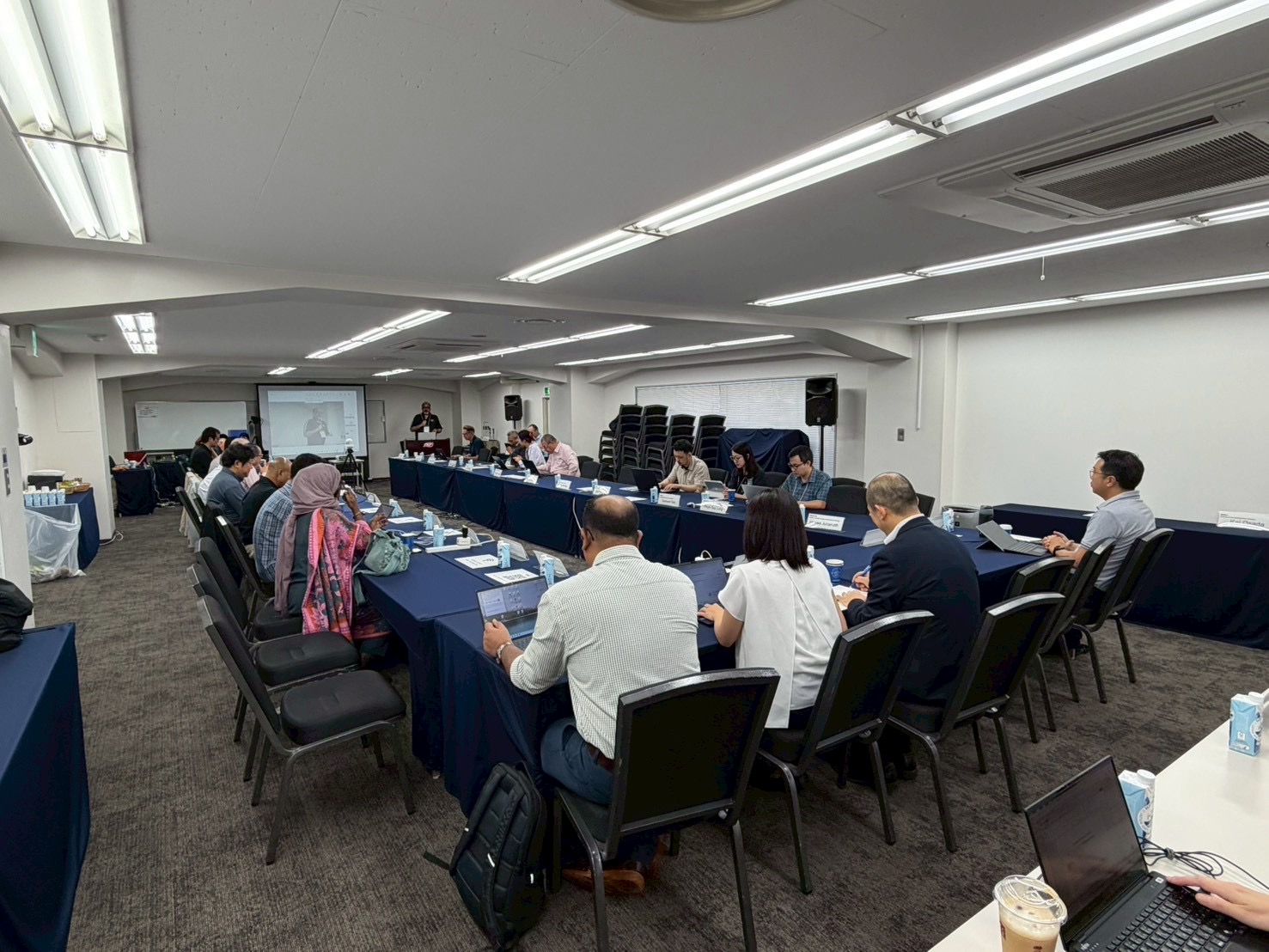
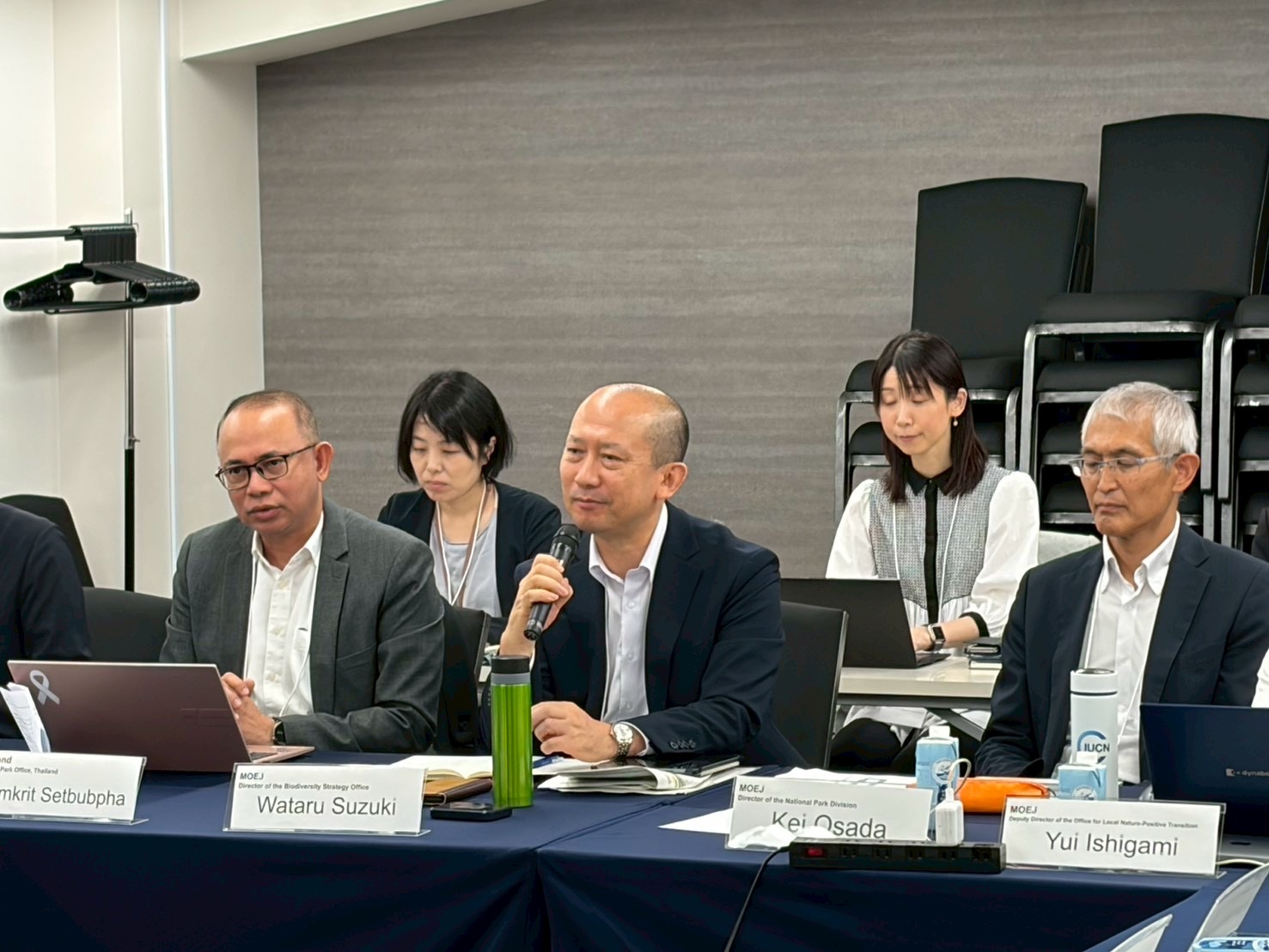
On July 9, 2026, a high-level regional workshop was held in Tokyo, dedicated to advancing "Other Effective Area-Based Conservation Measures" (OECMs) in Asia. The workshop aimed to accelerate the implementation of Target 3 (known as the 30x30 target) of the Kunming-Montreal Global Biodiversity Framework (GBF) through cross-sector partnerships. Armenia and the wider region were represented at the event by Ruben Khachatryan, Founder and Director of the Foundation for the Preservation of Wildlife and Cultural Assets (FPWC) and IUCN Councillor for East Europe, North, and Central Asia.
National Context and the Transition to OECMs in Armenia
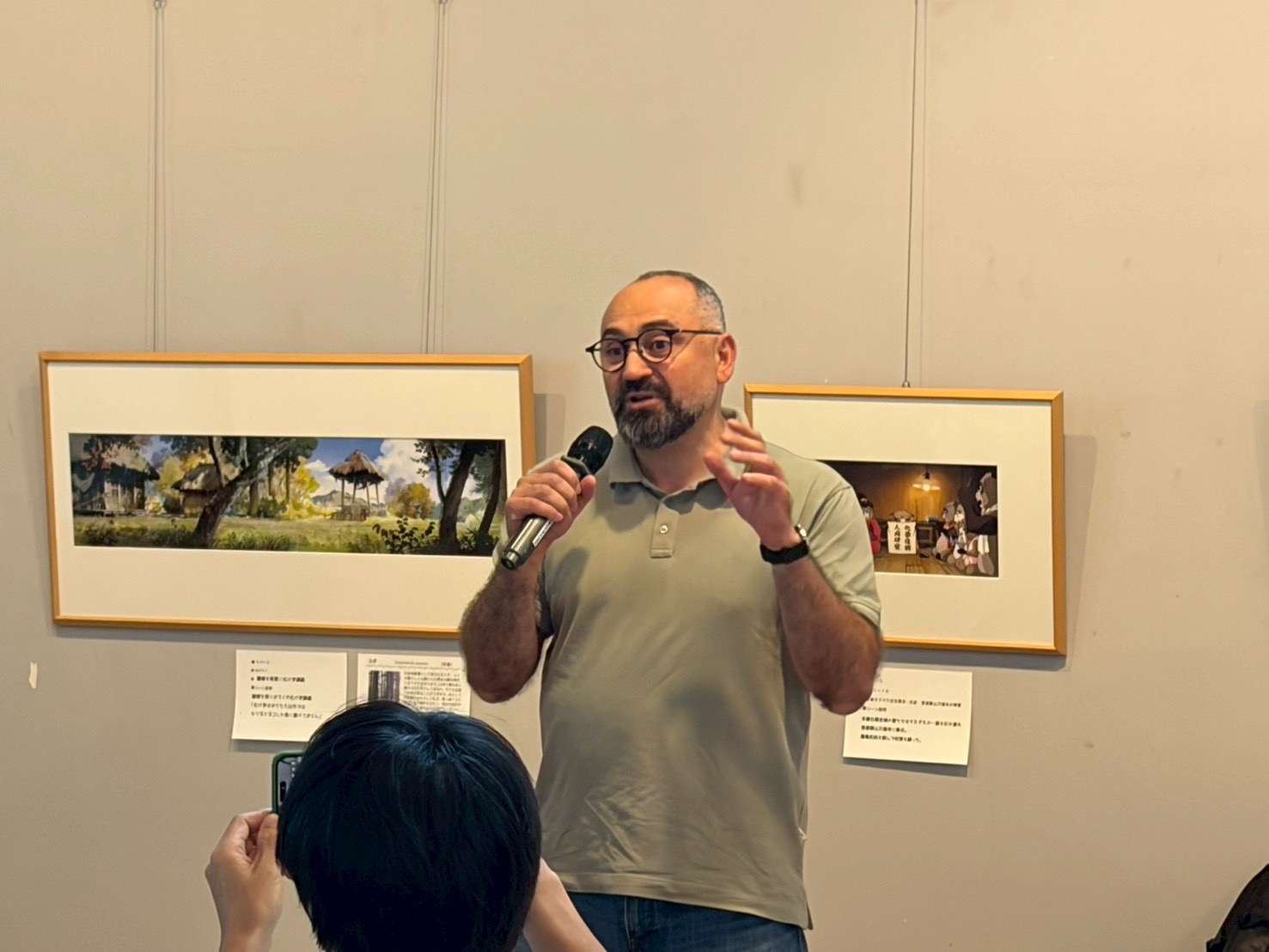
During a special session dedicated to sharing national experiences, Ruben Khachatryan addressed the prospects of expanding area-based conservation in Armenia by transitioning from traditional state protected areas to alternative, effective spatial conservation mechanisms (OECMs). In his address, Mr. Khachatryan detailed the current reality on the ground:
The Impact of the Soviet Legacy: Progress in this direction has been slower in Armenia, as the country still bears the influence of the historical institutional system inherited from the Soviet era.
The Need for Legislative Reforms: Although discussions have accelerated following recent Conferences of the Parties (COPs) to the Convention on Biological Diversity (CBD), Armenia is still in the process of adapting its legislative and governance systems to formally recognize "other effective area-based conservation measures".
National Readiness Assessment: A "National Readiness Assessment" was conducted in the country to evaluate the alignment of the existing legal framework with international standards. Although Armenia possesses various conservation areas (such as ICCAs and Key Biodiversity Sites (KBS)), most of them still lack formal OECM status.
FPWC’s Practical Model: Connected Landscapes and Community Trust
In his report, Ruben Khachatryan presented the extensive conservation work carried out by FPWC, which already serves as a practical model. FPWC manages designated conservation landscapes designed to restore ecological connectivity between fragmented habitats.
"For various historical and social reasons, protected areas in Armenia remain highly fragmented. In close cooperation with local communities, FPWC aims to further expand connected conservation landscapes in the coming years, contributing to both biodiversity conservation and climate change mitigation."
Ruben Khachatryan.
Mr. Khachatryan also put forward a key idea that resonated strongly among the attendees:
"We need models that deliver real value, going beyond merely meeting the numerical parameters of Target 3."
Non-State Actor Engagement and the Role of Local Communities
During the workshop discussions dedicated to the engagement of non-state actors, Ruben Khachatryan shared FPWC's rich experience of working on the ground. As an IUCN Councillor, he emphasized that any conservation program must be grounded in local reality.
The work of rangers engaging with local loggers and non-profit organizations has yielded much more tangible and sustainable results precisely because it is rooted in local conditions. Mr. Khachatryan cautioned that without such direct engagement with communities, regulations imposed by central authorities often lead to tension among local populations who oppose top-down rules.
Future Steps: International Symposium in Armenia
As a major step toward practical progress, Ruben Khachatryan announced an ambitious upcoming initiative by FPWC. Prior to the next Conference of the Parties to the Convention on Biological Diversity (CBD COP), FPWC plans to organize a two-day international symposium in Armenia.
This prestigious platform will bring together government representatives, non-governmental organizations, scientists, and other non-state actors with the goal of strengthening collaboration and driving practical conservation actions in the region. FPWC continues to be a pioneer of ecological innovation in Armenia, ensuring that advanced international standards are not only introduced in our country but also serve the well-being of local communities and our rich natural heritage.