
Published on 24/10/2026
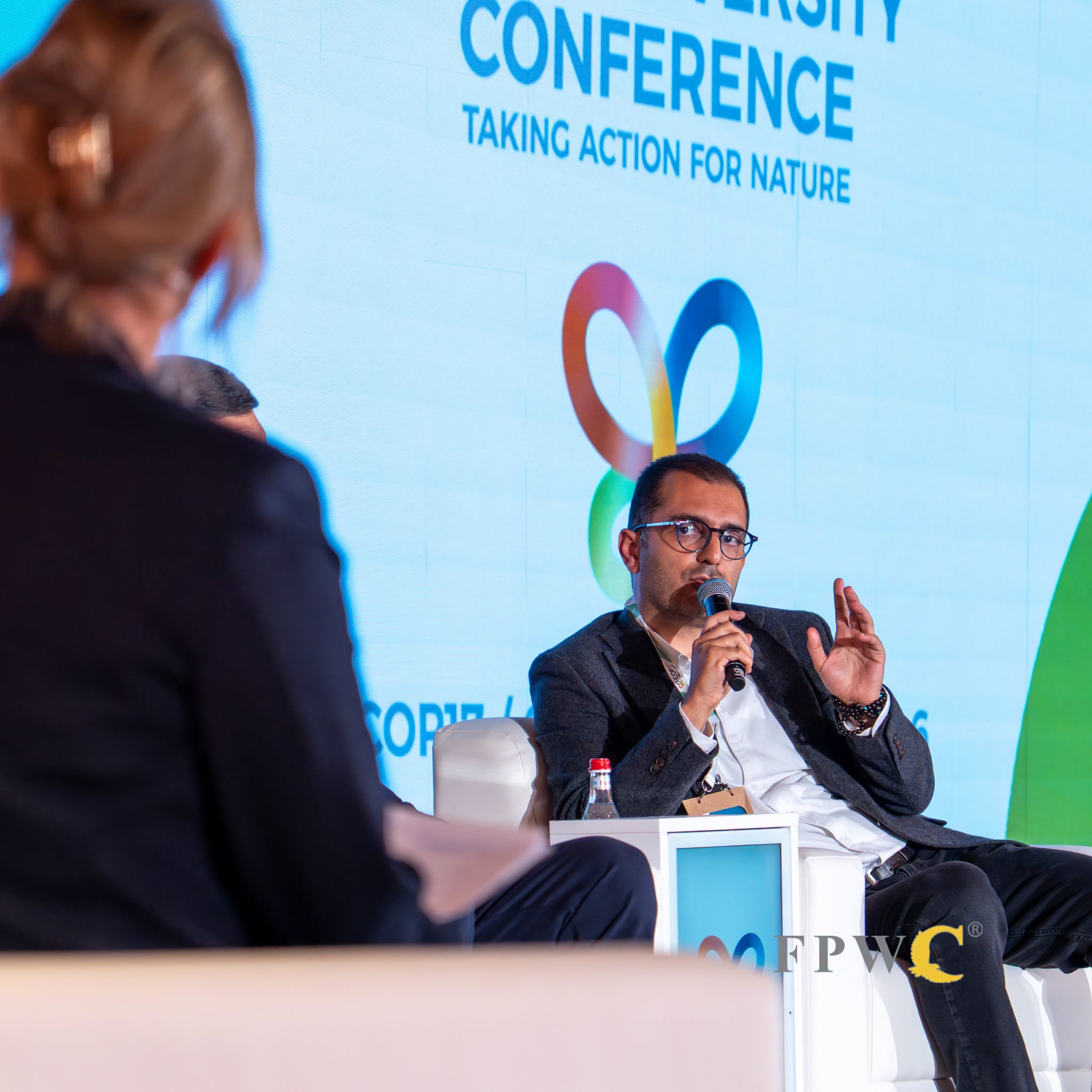
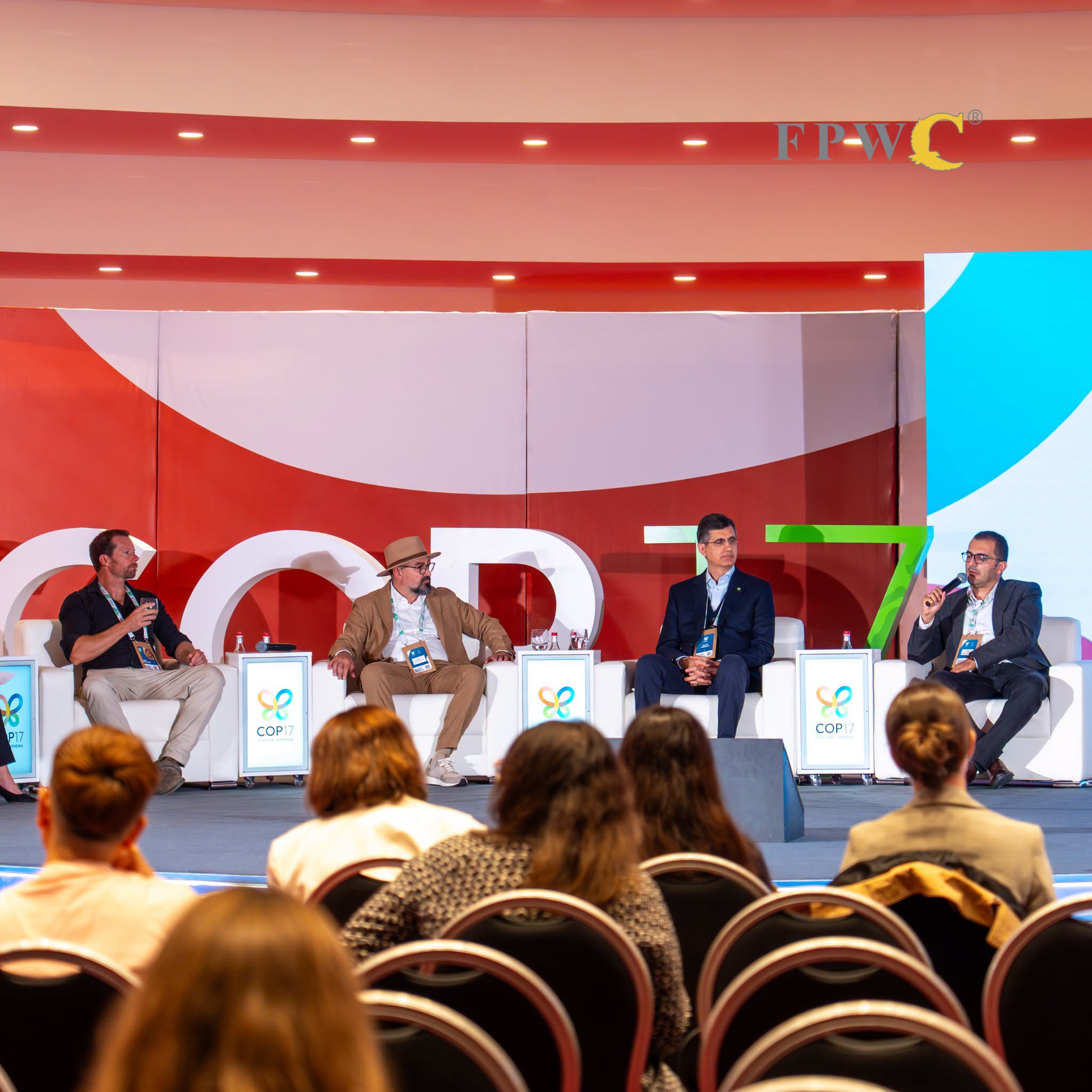
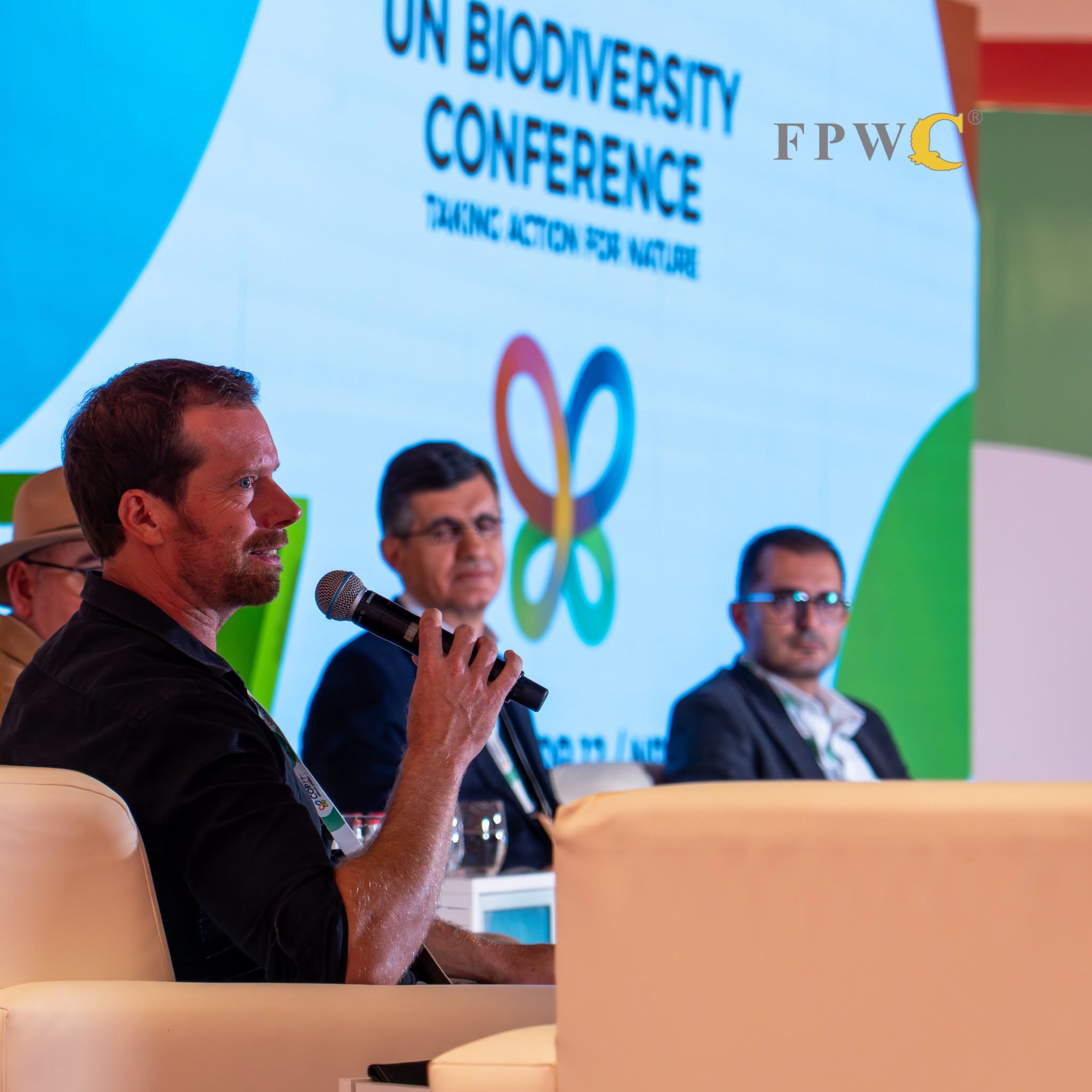
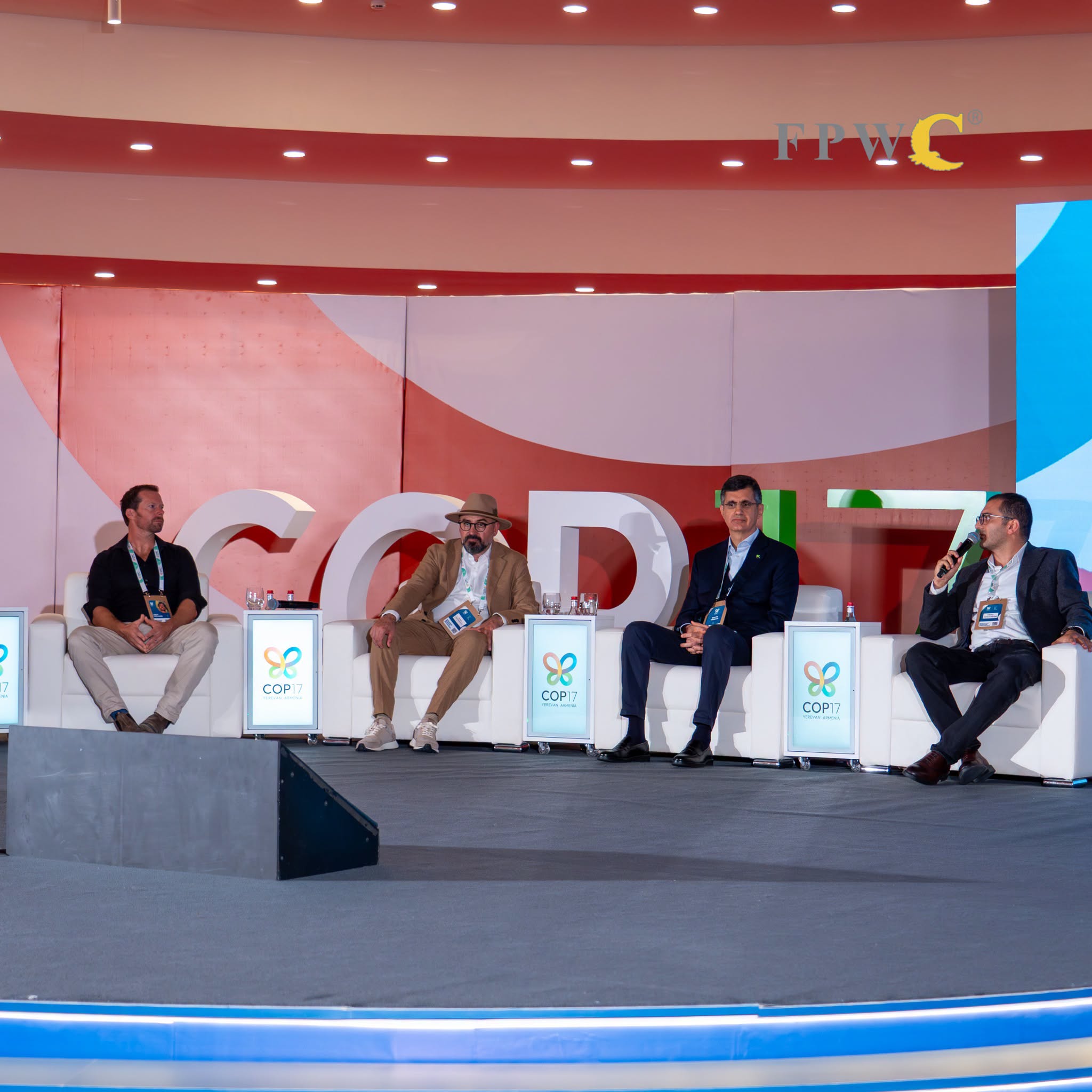
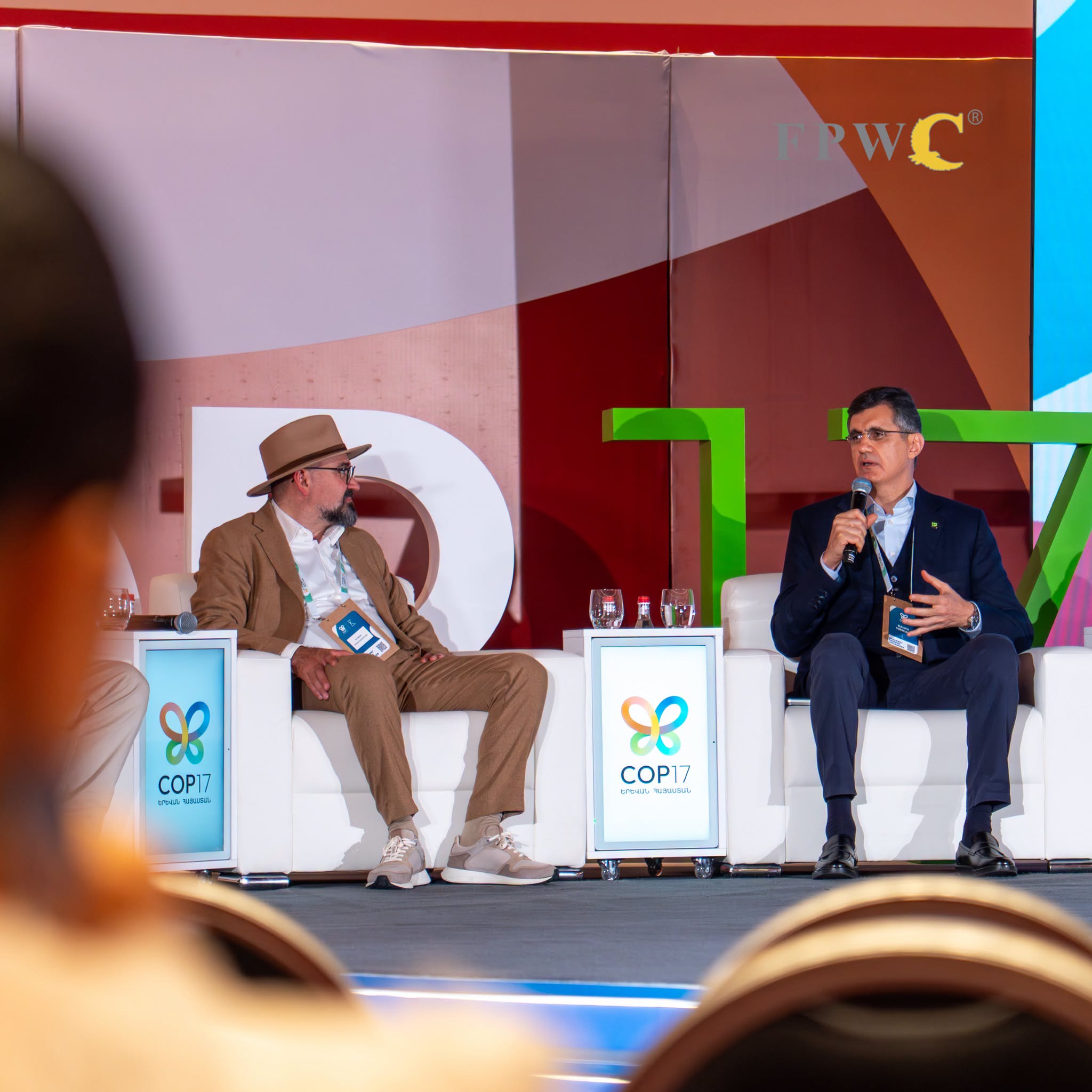
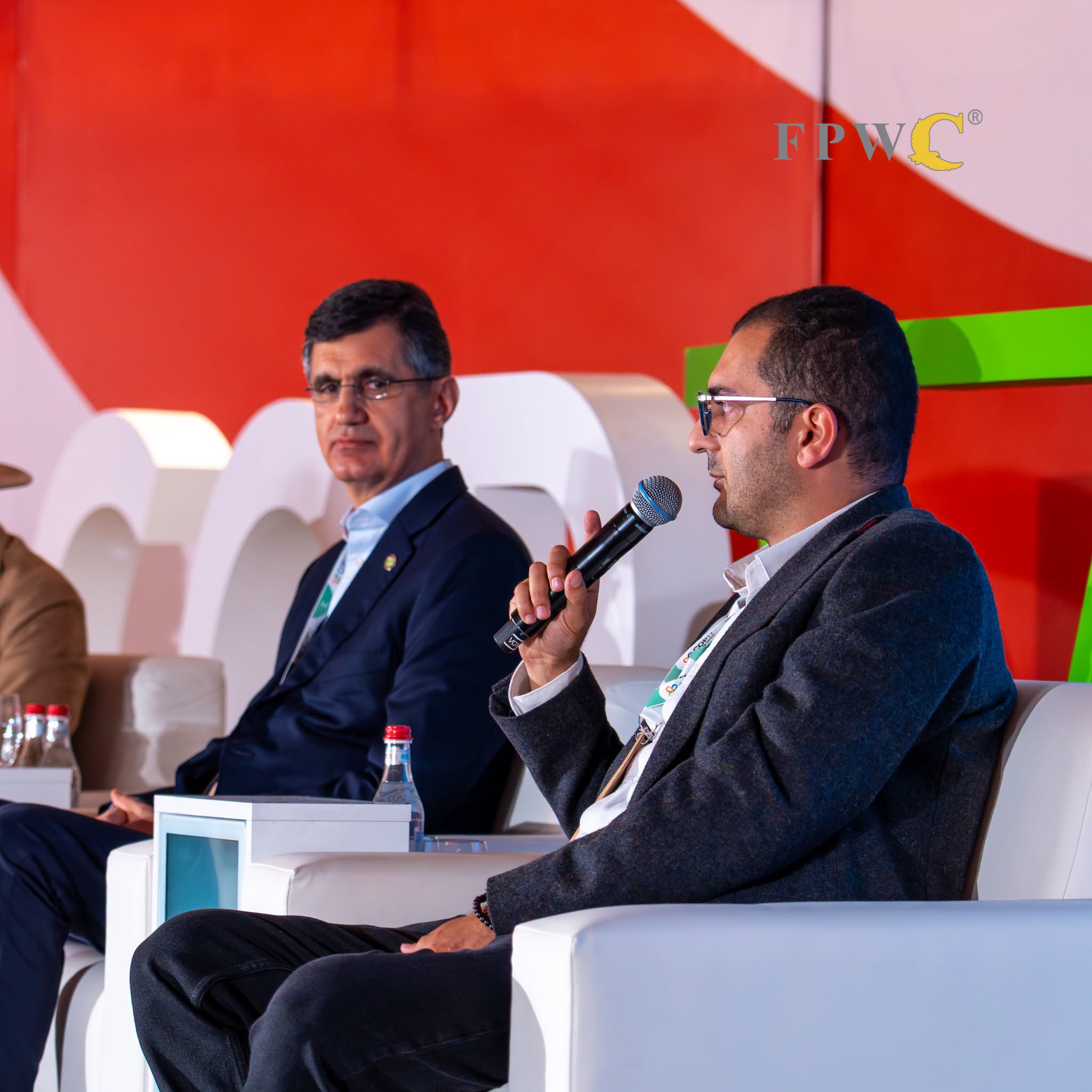
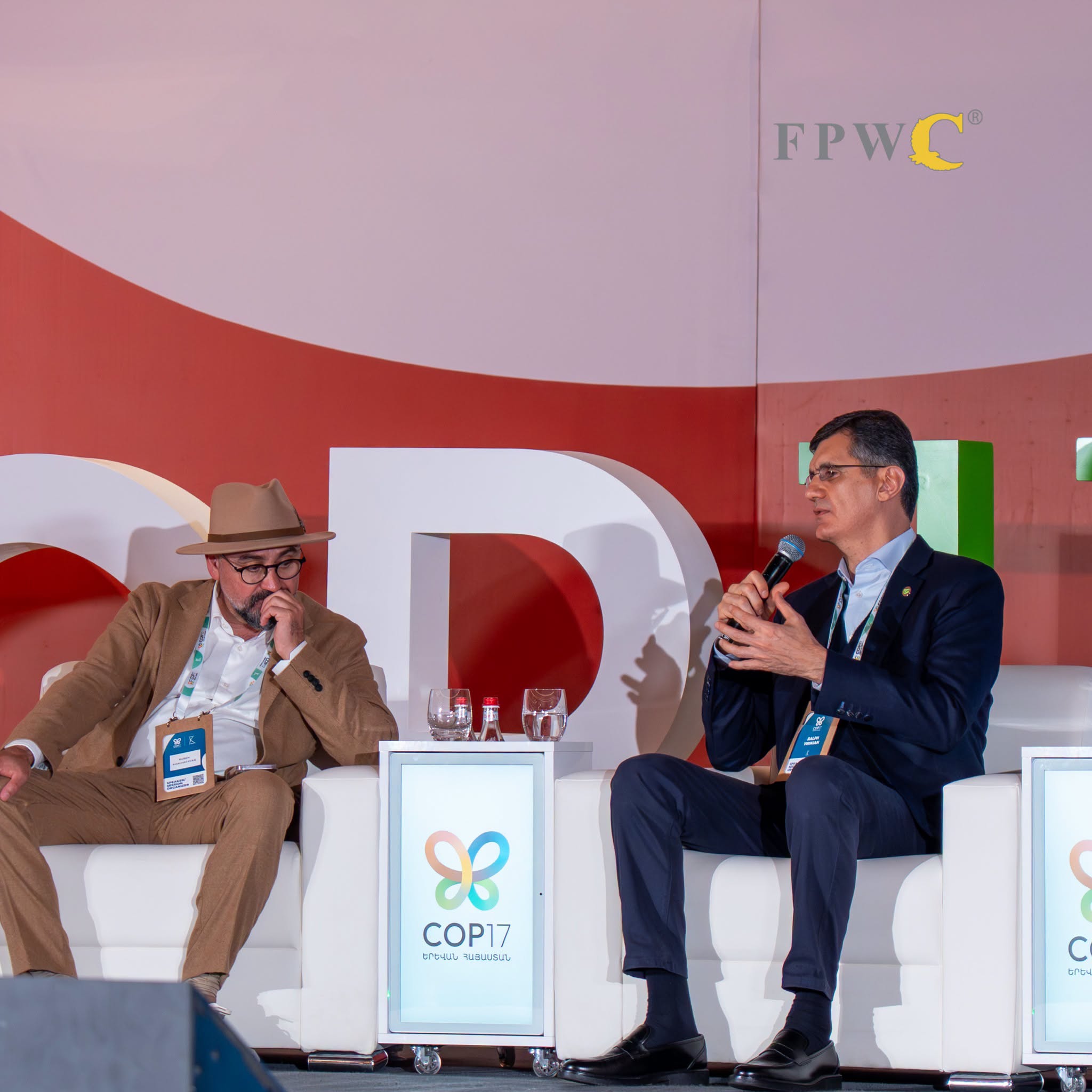
In the Green Zone of the 17th meeting of the Conference of the Parties to the Convention on Biological Diversity (COP17), a panel discussion titled “The Invisible Supplier: Business, Biodiversity, and the Unpriced Resource” took place at the initiative of the Foundation for the Preservation of Wildlife and Cultural Assets (FPWC) and Ucom. The event centered on one pivotal idea: nature provides the essential resources required for business operations, yet these ecosystem services are never reflected on corporate balance sheets.
This “unpaid bill,” resulting from the neglect of natural resources and climate change, is already becoming tangible for local businesses. Frunz Harutyunyan illustrated the situation with a practical example from the viticulture sector: “Due to climate change, grapes ripen earlier, sugar levels rise sharply, and the necessary acidity and aromatics do not have time to develop. Realizing that the Ararat Valley will no longer provide the same favorable environment in the future, we were forced to establish new vineyards at an altitude of 2,000–2,100 meters.”
Andy Orchard of Puro Fairtrade Coffee examined the same threat at the level of global supply chains, presenting their corporate model of “paying the supplier in advance”: “It is projected that by 2050, 80% of Ethiopia’s coffee farms could cease to operate. We decided to pay our supplier before receiving the bill; for 22 years now, Puro has been directing 2% of its sales toward purchasing and protecting tropical rainforests.”
To ensure that investing in nature becomes a systemic solution rather than an isolated initiative for the private sector, Ruben Khachatryan, Founder and Director of FPWC, proposed a concrete public-private cooperation mechanism: “To incentivize payment for ecosystem services, we presented the ‘1% concept’ to the government: if a company is ready to invest 0.5% in nature conservation on its own, the state can reduce its tax burden by the same amount.”
Concluding the discussion on joint state and business engagement, Ralph Yirikian, CEO of Ucom, highlighted the tangible, on-the-ground impact of such corporate partnerships and the importance of harmonious coexistence between communities and wildlife: “When you see the smile and satisfaction on the faces of villagers when their year’s hard work and apiaries become protected by electric fences, you realize how vital this practical support aimed at peaceful coexistence with wildlife truly is.”